![MaritimeJournal[Seawork]](https://www.maritimejournal.com/wp-content/uploads/2026/09/MaritimeJournalSeawork.svg)






Digital passports for seafarers presented to the IMO
A new digital identity passport for seafarers has been presented to the International Maritime Organization (IMO), to show how secure digital credentials can streamline administration, improve compliance and strengthen maritime security worldwide.
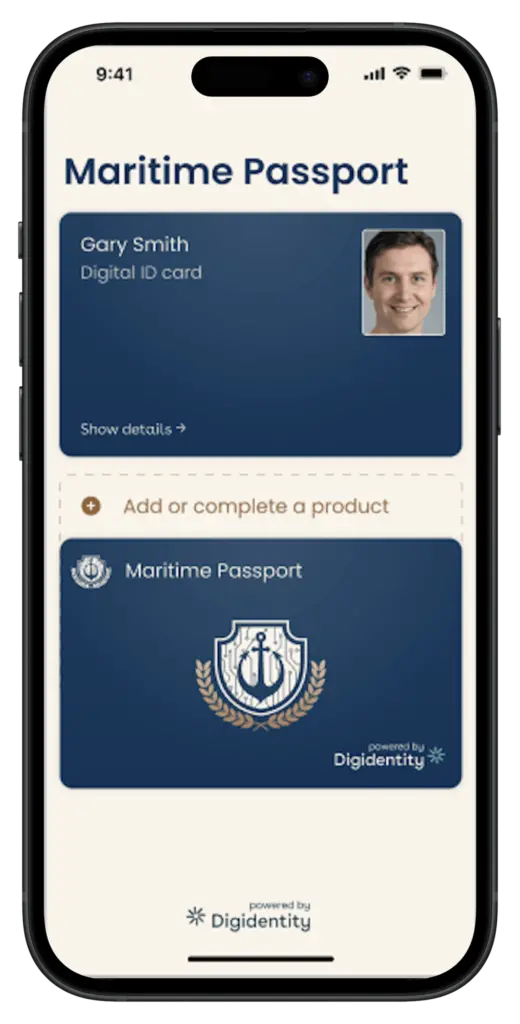
Maritime Passport presented Member States at the IMO’s Facilitation Committee (FAL 50) with a preview of its forthcoming digital identity platform, described as the first fully digital passport designed specifically for seafarers. The government-grade technology aims to simplify how professional credentials are stored, verified and shared, while helping flag states maintain oversight of those operating in their waters.
There is no global standard for digital identification among seafarers today, although some flag states and private providers are testing ideas these are not harmonised among different countries.
Maritime Passport co-founder Martin White said the maritime industry is approaching a major digital transition and seafarers must be included in that evolution. He said the solution, which will be free for seafarers, will reduce the administrative burden associated with collecting and submitting certificates, employment records and eligibility documentation. White said the secure mobile application allows verified information to be accessed by flag states, employers and other stakeholders instantly, improving both efficiency and transparency.
Invited to present by the Bahamas Maritime Authority, the Maritime Passport team showed the platform to international delegates at the IMO, outlining how the system could be integrated into existing national frameworks, enabling faster credential verification while reducing costs. Designed to connect operations across 193 countries, the platform seeks to minimise paperwork without introducing additional risk.

L-R: Marcel Wendt, CTO; Martin White, co-founder; Peter Phillips, co-founder (Maritime Passport)
Chief technology officer Marcel Wendt said the solution is built on established global identification standards already used in other industries. He said the platform is intended as a neutral technology layer that complements existing certification and record-keeping systems, rather than aggregating or commercialising seafarer data.
The approach, he said, combines compliance requirements with strong security protections to support trusted digital identity management.
The presentation reflected wider discussions at FAL 50 about the growing importance of digital trust in maritime operations. Maritime Passport co-founder Peter Phillips said providing seafarers with a secure digital identity would enable shipowners to confirm skills quickly and allow Flag States to verify credentials in real time.
The company expects the digital wallet to be available for flag state customisation in the second quarter of 2026.