![MaritimeJournal[Seawork]](https://www.maritimejournal.com/wp-content/uploads/2026/09/MaritimeJournalSeawork.svg)

Inland waterways guidance updated for UK
The Maritime and Coastguard Agency (MCA) has updated its UK inland waterways and categorisation of waterways guidance, intended for owners, operators and masters of vessels on inland waters including how to apply, safety requirements and best practice.
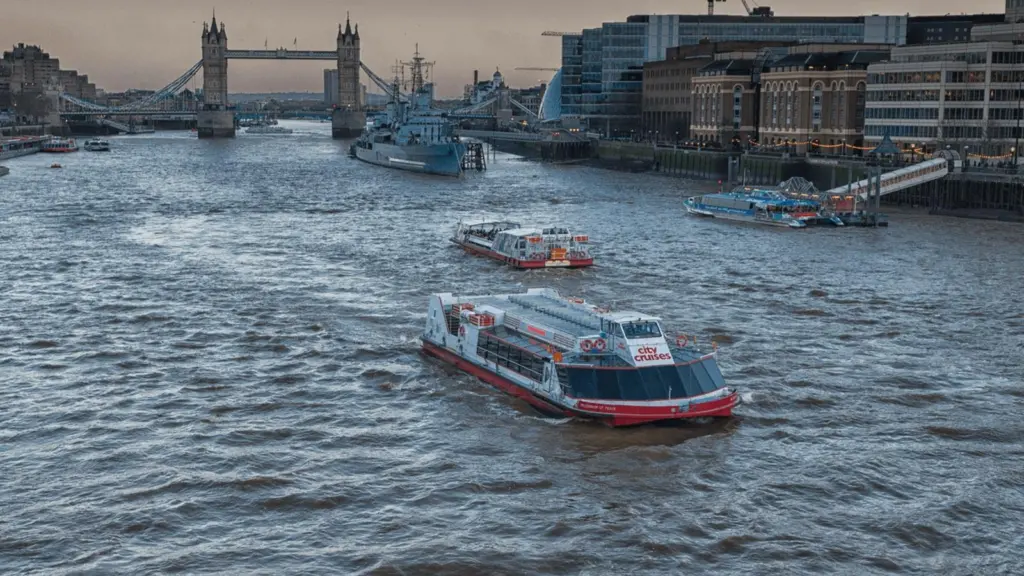
The UK has more than 4,000 miles of inland waterways, commercial users of which have to meet vessel construction requirements and maintain levels of safety equipment dependent on the waters in which they operate. The updated document, which builds on the original published in 2012, will be of importance for such operators. There are no national construction requirements for private pleasure vessels.
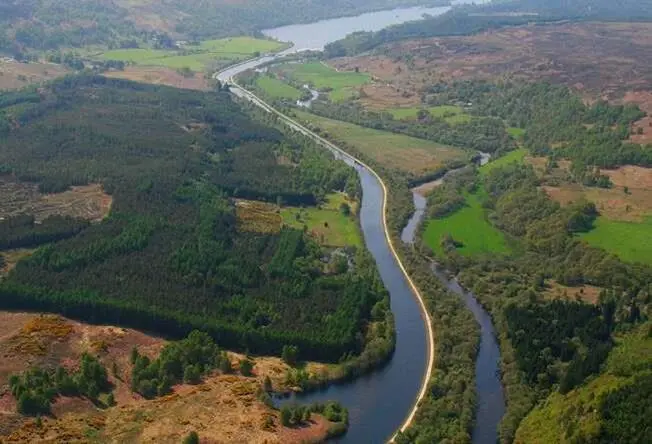
Inland waters are categorised as A, B, C and D and include canals, tidal and non-tidal rivers, large deep lochs and estuaries, basically any area of water not categorised as “sea” for the purpose of most Merchant Shipping legislation with exceptions for certain categories for marine pollution legislation. Specific definitions can be found in Merchant Shipping Notice (MSN) 1837 (M) (as amended).
MCA says it is important for those who conduct business in such waters to ensure the area involved is correctly categorised as different construction and equipment standards apply in categorised waters. Those involved can make a request for the categorisation – or re-categorisation – of a defined area of water should they hold an interest in that area.
Information required for the above includes: chart of location; recent sounding charts; levels and types of vessel movement; physical description of the area; significant wave heights and predominant wind chart for the area; general rationale to support the application and a supporting letter from the local harbour or navigation authority.
Included are details of specific points surrounding the wave height information required and the application process, including where the local marine office consults with the nearest coastguard station and District Safety Committee or Small Passenger Ship Steering Group as appropriate before submitting the application further within the MCA. Also included is a link to local marine offices where advice can be sought.
Safety requirements
Commercial activities on inland waterways and rivers will include passenger carrying vessels and several sets of safety regulations and guidance are applicable depending on the vessel’s age; again, local MCA marine offices can provide advice on these. A “passenger ship” is defined as a vessel that carries more than 12 passengers.
The Merchant Shipping (Passenger Ships) (Safety Code for UK Categorised Waters) Regulations 2010 provides technical requirements for new passenger vessels from April 2010. The Code also contains safety requirements with which the ship must comply to secure a Passenger Ship Safety Certificate.
While perhaps considered ‘pleasure craft’, vessels defined as hire boats for not more than 12 people without a skipper or crew fall under The Code for the Design, Construction and Operation of Hire Boats, a national code of safe practice for such craft on inland waterways but excluding pleasure vessels as defined in the Merchant Shipping (Vessels in Commercial Use for Sport or Pleasure) Regulations 1998.
Version 2 of the code can be found on the Association of Inland Navigation Authorities (AINA) website at https://aina.org.uk/ following the “Inland Waters Small Passenger Boat Code” section for vessels carrying no more than 12 passengers on inland waters.
Commercially operated vessels on inland waters must be registered with the appropriate navigation authority, the Canal and River Trust, Scottish Canals and the Environment Agency the major authorities in charge of inland rivers and canals in the UK. Local harbour or navigation authorities oversee estuaries and harbours and a variety of licences are available from annual to visitor licences.
On waterways managed by the Canal and River Trust and the Environment Agency, vessel licences must be accompanied by a valid Boat Safety Scheme (BSS) certificate as part of the licence, except for vessel carrying MCA certification.
The Inland Waters Small Passenger Boat Code “designed to ensure safety, technical and competency standards are met” for trip boats, hotel boats and water taxis is explained in detail. The code is not mandatory but lists the operational considerations together with specific aspects including: machinery, electrics, steering gear, bilge pumping, stability, freeboards, lifesaving appliances, navigation equipment, accommodation and safety briefings.
The above is a short summary of the updated document, which while a natural component for any business-related activity also points towards the advice and guidance available for users of inland waterways who fall outside the regulation requirements and for whom it is potentially more valuable.
The document includes numerous links for further information and it can be found at https://www.gov.uk/guidance/inland-waterways-and-categorisation-of-waters
Related Articles
 SEAWORK NEWS
 INDUSTRY NEWS
 OTHER NEWS