![MaritimeJournal[Seawork]](https://www.maritimejournal.com/wp-content/uploads/2026/09/MaritimeJournalSeawork.svg)





New year – new ideas. Look Ahead Part 2
What’s in store for the maritime industry in 2026? We spoke to people across the sector to find out what their predictions are.

Unlocking smart structural data for efficient fast-response fleets
Light Structures CEO Niklas Hallgren
Light Structures is unlocking valuable structural data for smaller, high-speed craft and fleets operated by navies and coast guards worldwide. In 2026, we expect these systems to become increasingly smart and dynamic, which is a natural extension of the evolution seen in larger commercial and naval ships. Our insights now feed into performance analysis and support more efficient maintenance regimes. These benefits are just as relevant to patrol vessels, workboats, and other fast-response craft.
AI-driven maritime foresight enables safer, efficient operations
Miros chief commercial officer Jonas Røstad

After years of digitizing data streams, the offshore industry is now turning insight into foresight. Miros has seen growing demand for AI-enhanced decision support that provides reliable, real-time wave and current measurements to not only describe actual conditions but also to predict upcoming wave and vessel motion. This shift is facilitating safer, more efficient ocean operations across the maritime industry. While supporting sustainability by lowering fuel use, this change enables remote and autonomous operations, improving environmental compliance. In 2026, we expect the maritime sector will increasingly rely on predictive, AI-driven insights to guide operations, use cloud-based solutions to deliver better-connected and cybersecure systems, as well as steadfast real-time data to verify predictions because AI without trustworthy data is just noise.
Change will be driven by alt fuels and automation
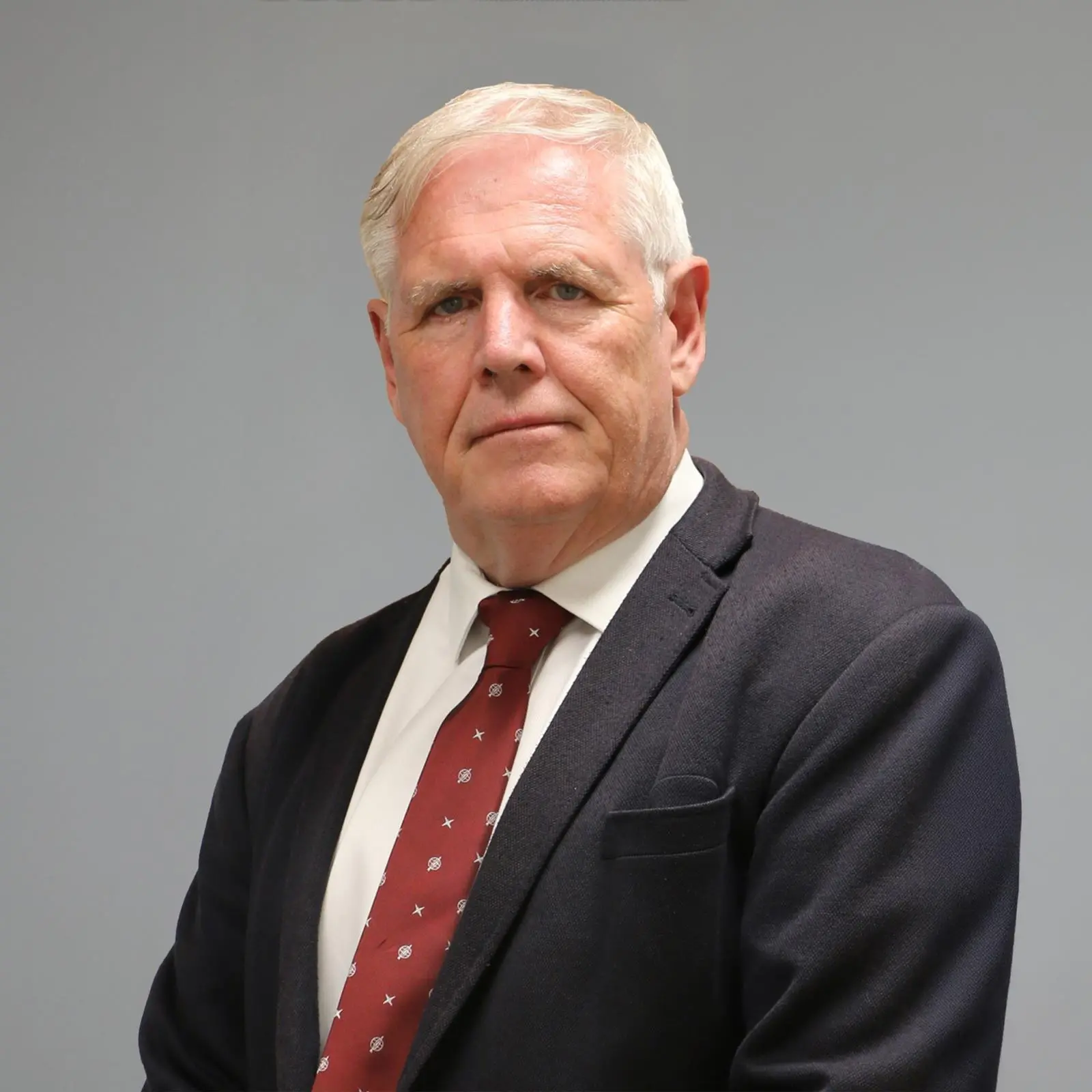
Nautical Institute Captain John Lloyd
The Nautical Institute expects 2026 to come with many changes, driven by alternative fuels, decarbonisation, automation and AI. As the maritime sector evolves, we must align the pace of technological development with human factors, safety and protection of the environment, ensuring sustainable and safe operations now and for the years to come. Meeting the expectations of new generations on safety, training and well-being will be essential. Collaboration with all stakeholders will ensure improved safety and operational excellence.
We’ll see a shift in bathymetric data capture
Norwegian Subsea CEO Frederik Dukan

As we move into 2026, more operators will capture reliable bathymetric data without relying on RTK or GNSS. High-quality motion compensation, especially heave, can now be achieved using MRUs alone. This shift reduces cost, simplifies deployments, and enables offshore and nearshore surveys to deliver consistent results even in tough conditions. We’re seeing a real levelling of access to precise multibeam data, helping smaller vessels and survey platforms to operate with greater efficiency and confidence.

Success will depend on data quality and tools that address practical realities
Oceanly board member Giampero Soncini
2026 will mark a turning point in maritime technology, drawing a sharper line between hype and genuine value. Operators are moving beyond fragmented tool sets toward integrated platforms that deliver measurable performance gains and support decarbonisation targets. Market consolidation will accelerate as the industry gravitates toward providers with deep maritime expertise and proven solutions. Success will increasingly depend on data quality, transparency, and tools that address the practical realities of daily fleet operations.
Real-time 3D seabed mapping will make a step change
Subsea Europe Services CEO Sören Themann
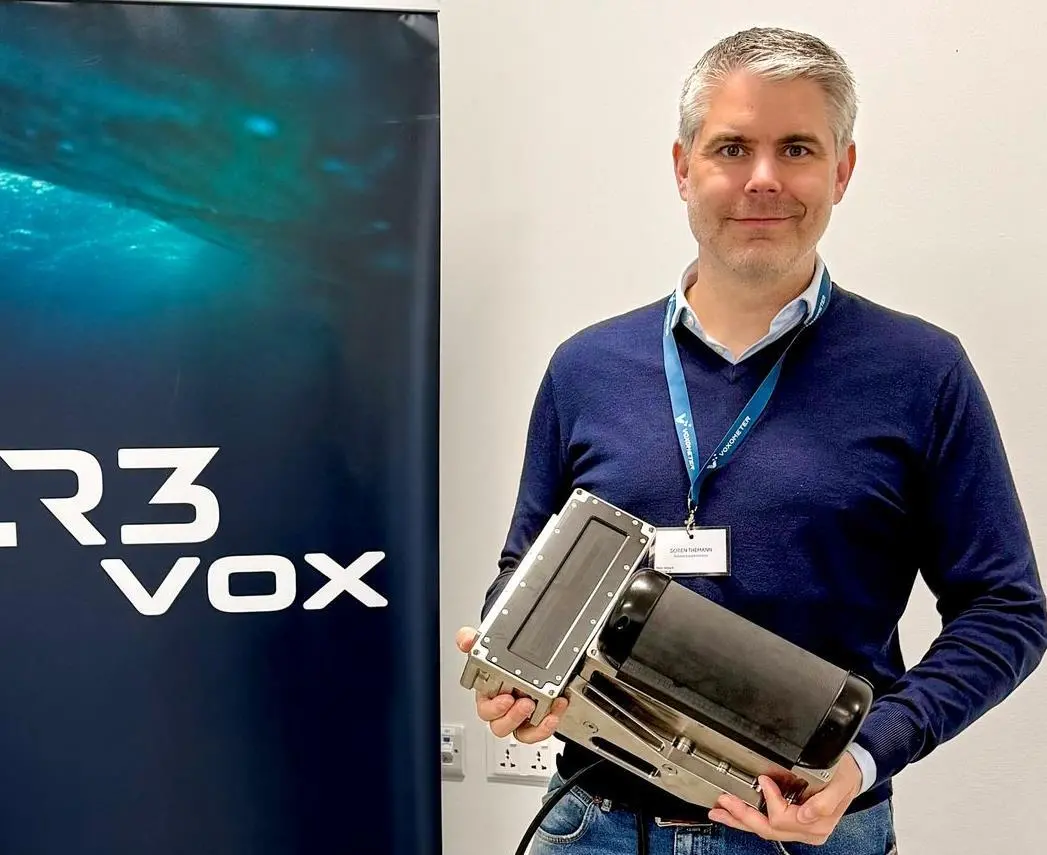
Technologies like the Voxometer are changing seabed mapping, giving teams clean, near-final 3D data in real time rather than waiting on slow, stitched-together results. It brings a clarity and immediacy that feels genuinely new in the sector. We’ll be working closely with R3Vox to ensure broad access in 2026, and expecting strong demand to integrate Voxometer into USVs, where the combination of speed, manoeuvrability and rich, real-time data output may become the next step change in marine survey technology.

Flexibility will be the foundation of resilience
Wärtsilä head of Offshore SGA Jon Inge Buli
For both offshore construction vessels and the supporting supply fleet, the message going into 2026 is consistent with what we see across the wider industry. Flexibility is becoming the foundation of resilience. With market forecasts shifting and regulatory expectations tightening, vessels need integrated power and propulsion systems that can support hybrid solutions, convertibility to alternative fuels and advanced monitoring from the outset. The more adaptable the platform, the better prepared owners are to stay competitive.

Europe needs to urgently fix the scene for offshore wind
WindEurope CEO Giles Dickson
Europe needs more offshore wind to deliver its energy and security goals but as things stand it is not happening. Offshore wind in Europe remains in peril: the business case is not where it was nor where it should be. In the last years, costs have gone up, projects have been paused and delayed and auctions have failed. Europe is working on a turnaround and 2026 needs to be the year. Governments now understand that ‘negative bidding’, having developers pay to build wind farms, doesn’t work. Auction design must reflect market reality, and two-sided CfDs are the way forward, such as in Ireland and Poland, which has also installed its first offshore turbine. Next year 2026 will be big: up to 30GW could be awarded across Europe, with the UK allocation round 7 setting the scene, with results due on 14 January. Many other national auctions will follow. Heads of government will meet in January for the North Seas Summit in Hamburg. We need a new deal for offshore wind, where governments commit to volumes, visibility and action, and industry commits to cost reductions, investment and jobs. Governments also need to unlock PPAs by de-risking the investments off-takers need to make in electrification – under the proposed new tripartite contract for offshore wind.

Workboat sector buoyant despite offshore wind slowdown
Workboat Association CEO Kerrie Forster
The workboat industry enters 2026 with strong momentum despite shifting market conditions. European and UK shipyards report solid order books, with sustained demand for modern, fuel-efficient vessels and steady progress on refits. Operators remain focused on efficiency and decarbonisation, while shipyards manage tight supply chains with minimal disruption. Across coastal infrastructure, port services, aquaculture and towage, confidence is high. The offshore wind segment is the main exception, facing a temporary slowdown as project approvals and financing lag; however, long-term prospects remain positive as developers restructure and prepare for renewed activity. Encouragingly, charterers appear keen to restart work early in 2026, signalling sector stability and supporting vessel owners’ investment and crew-retention needs. Overall, the industry is buoyant: high demand, high morale and a clear appetite for progress. Despite short-term headwinds in offshore wind, the wider workboat market looks set for a dynamic and opportunity-rich year.