![MaritimeJournal[Seawork]](https://www.maritimejournal.com/wp-content/uploads/2026/09/MaritimeJournalSeawork.svg)


Charterers’ Liability blowing in the wind
Charterers’ Liability insurance is an insurance designed to cover the charterer(s) of a vessel in respect of claims arising out of negligence based claims surfacing out of legal and contractual obligations and liabilities.
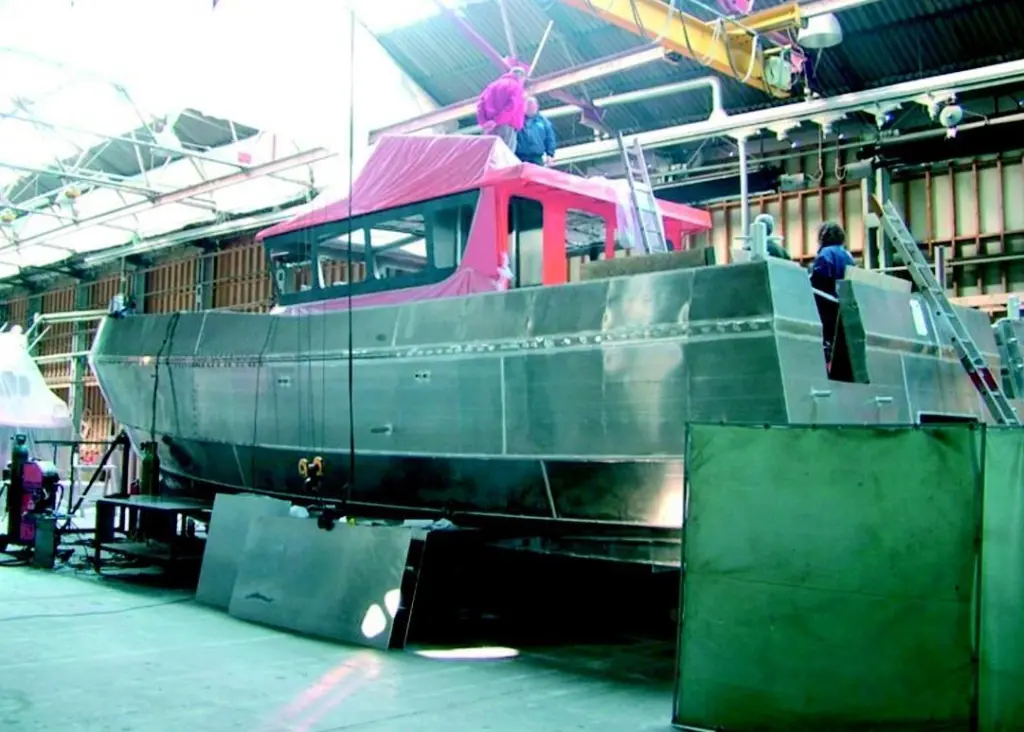
This complex territory is explained for MJ by Steve Gordon, marine development manager for Arnott Marine & INK Marine.
Charterers’ liability cover usually covers Charterers’ Liability for Hull Damage (in respect of the chartered vessel) and also Charterers’ Liability for Protection & Indemnity claims. Coverage can also be extended to include Liability to Cargo, as well as other extensions, including Freight, Defence and Demurrage cover.
A Charterers’ contractual obligations are generally set out in the Charter Party Agreement, which is the contract under which the vessel is chartered.
Whilst the owners of the vessel will insure their vessel for Hull & Machinery risks, as well as Owners’ Liability for Protection & Indemnity claims, the cargo owners usually insure their cargo. Both of these parties and/or their respective insurers could seek a recovery on claims brought against their policies. The charterer is the obvious party in the contractual chain and so claims can easily be brought against the charterer by vessel owners and cargo owners, or their insurers.
From what we have seen, it is becoming increasingly common that charterers seek to absolve themselves of liabilities by asking owners to name the charterer(s) on their Owners Protection & Indemnity policy as a ‘named’ or ‘co-assured’. However, Owners Protection & Indemnity policies can refuse settlement of claims to charterers as the cover is designed for the vessel owners.
This is becoming increasingly common with vessels chartered for use within the development of upstream energy projects, with specific emphasis on renewable energy.
Charterers also sometimes include a clause within the Charter Party Agreement stating that charterers can benefit from Owners P&I cover, however unfortunately the same applies, which renders this clause as null and void.
It is always appropriate for the charterer to carry their own insurance, not just to cover claims for which they are found to be liable, but also for defending liability claims, as these costs are generally covered under usual Charterers’ Liability policies. It is important to remember that a charterer does not necessarily have to be liable to be held liable.
Charterers take on a range of risks when chartering a vessel. Charterers often appoint their own agents and sub-contractors including stevedores and superintendents. The charterer may also appear on bills of lading and may even sign them. In fact, charterers could face the same risks as the vessel owner, other than the physical navigation of the vessel in the event of a loss.
Charterers are also generally liable for damage to the chartered vessel. This damage could be caused in a range of ways, including by stevedores, unsafe berths or ports or even by the cargo itself.
Apart from the more prominent risks of damage to the chartered vessel or the cargo, a charterer may also be held liable for claims involving collision, personal injury, pollution, salvage and stowaways.
It is important that charterers are made aware of the potential risks they face, especially in their role in the developing offshore energy sector. If you feel that you are exposed to any risks as a charterer, please ask your insurance broker to contact Arnott Marine for a discreet review.
Related Articles
 INSURANCE, LEGAL & FINANCE
 INDUSTRY NEWS
 ENVIRONMENT