![MaritimeJournal[Seawork]](https://www.maritimejournal.com/wp-content/uploads/2026/09/MaritimeJournalSeawork.svg)


IFC initiative spearheads Interferry review
The International Finance Corporation (IFC) is part of the World Bank Group that provides development loans to poor nations.
It is poised to support the ferry industry for the first time after asking trade association Interferry to help identify deserving countries and operators.
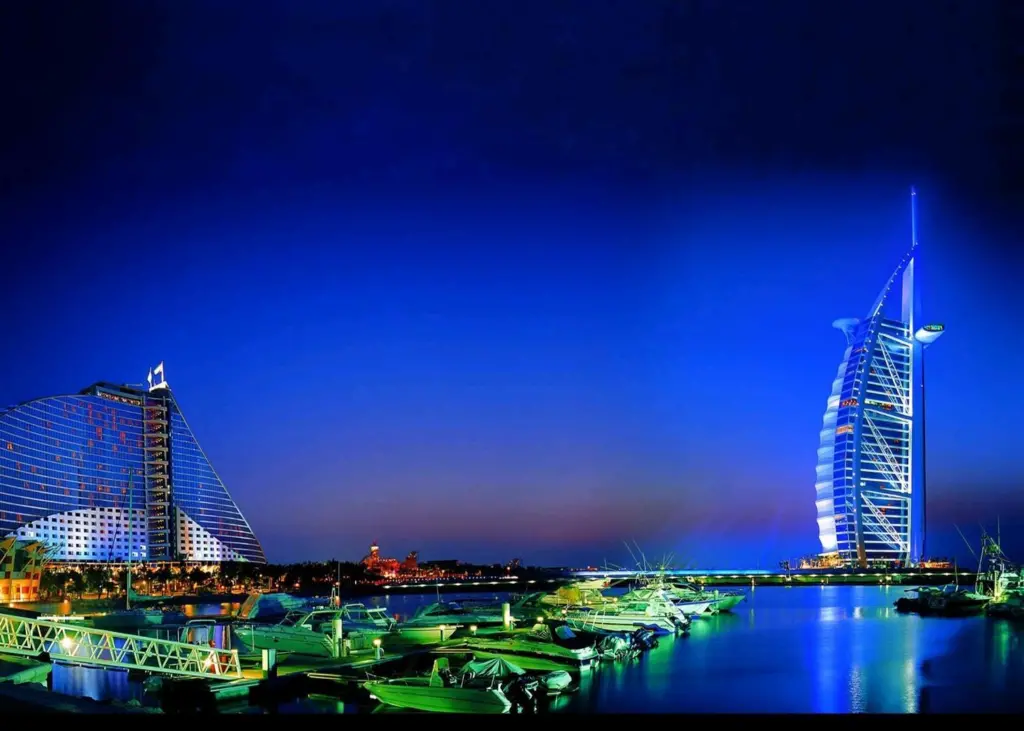
The initiative will be explained at Interferry’s 37th annual conference in Dubai from October 21-24, which will also feature dramatic insights from power solutions giant Wärtsilä on how a fast changing world could impact on shipping by the year 2030.
IFC interest in the ferry sector was prompted by the ongoing IMO/Interferry joint programme to improve ferry safety in developing nations. The Washington DC based organisation, which focuses on private sector financing, is now assessing potential investment projects after approaching Interferry CEO Len Roueche for a report on operators in emerging markets with a strong commitment to safety.
“Ferry safety as such is not the IFC’s primary objective but any modernisation funding would certainly help the cause, said Roueche. “As a result, we could be involved on two fronts, with the IMO helping governments to enforce regulations while the IFC works with individual operators.”
The IFC’s latest aims will be outlined in a dedicated conference session by Harsh Gupta, senior investment officer in the global transport team. Transport projects account for some 24% of the IFC’s current US$12bn infrastructure portfolio and range from shipping and ports to airlines, airports, roads and railways.
Another glimpse into the future will be provided by Wärtsilä’s Arnauld Filancia, communications director Middle East/Asia, with three varying scenarios for 2030 based on intensive research, interviews and workshops.
His paper will reveal only two certainties, that shipping remains part of the transport matrix and that water becomes even more valuable, in contrast to six uncertainties on issues such as trade and economic growth, climate change and sustainability, scarcity and control of power. Analysis and combination of the different outcomes yielded three plausible scenarios, which will be discussed.
Other conference sessions will focus on the regulatory, technical and commercial issues affecting the ferry industry’s more immediate future.
The keynote address will be a review of evolving ‘green’ regulations by IMO Marine Environment Protection Committee chairman Andreas Chrysostomou, while the implications of the Costa Concordia incident will be explored by special guest speaker Charles ‘Bud’ Darr, VP of technical and regulatory affairs at the Cruise Lines International Association.
Safety and environmental themes will be developed in papers on ship design innovation and alternate fuels. Revenue-boosting initiatives under discussion will include case studies from IT specialists and shipowners on the benefits of integrated reservations, price management and intermodality systems.
Interferry is on track for another record attendance after event hosts the Dubai Roads & Transport Authority offered a half-price fees subsidy for the first 250 delegates to register. Two months ahead of the conference, almost 200 early bookers had responded. The event attracts many of the industry’s most senior decision makers and final attendance is expected to reach 300. Full details are at www.interferry.com
Related Articles
 INSURANCE, LEGAL & FINANCE
 INDUSTRY NEWS
 ENVIRONMENT