![MaritimeJournal[Seawork]](https://www.maritimejournal.com/wp-content/uploads/2026/09/MaritimeJournalSeawork.svg)


INTERVIEW: Ports under pressure: ‘It will work, because it has to’
Ports and harbours are becoming the critical enabler of several enormous transitions taking place in the commercial marine sector today.
Whether it’s offshore energy, emissions, autonomy, electrification, digitalisation, national resilience or a host of other changes, the port is in many ways the key to a successful transition: but the infrastructure, investment model and regulatory framework aren’t keeping pace.
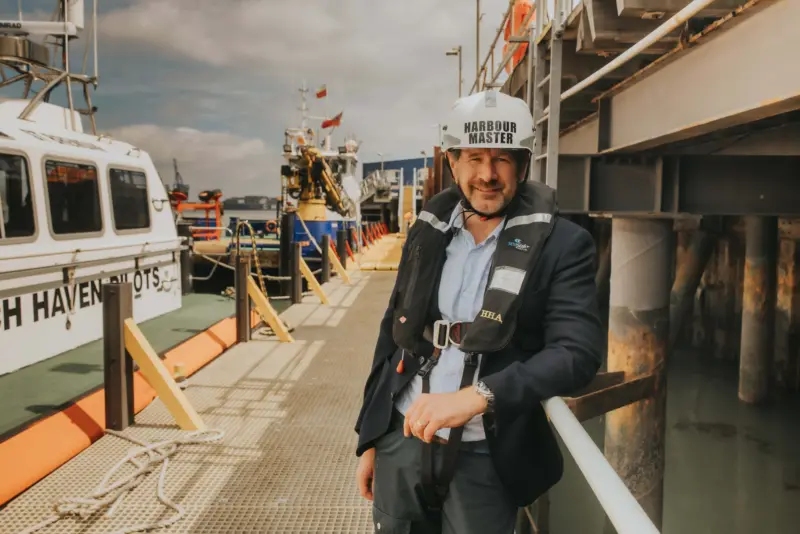
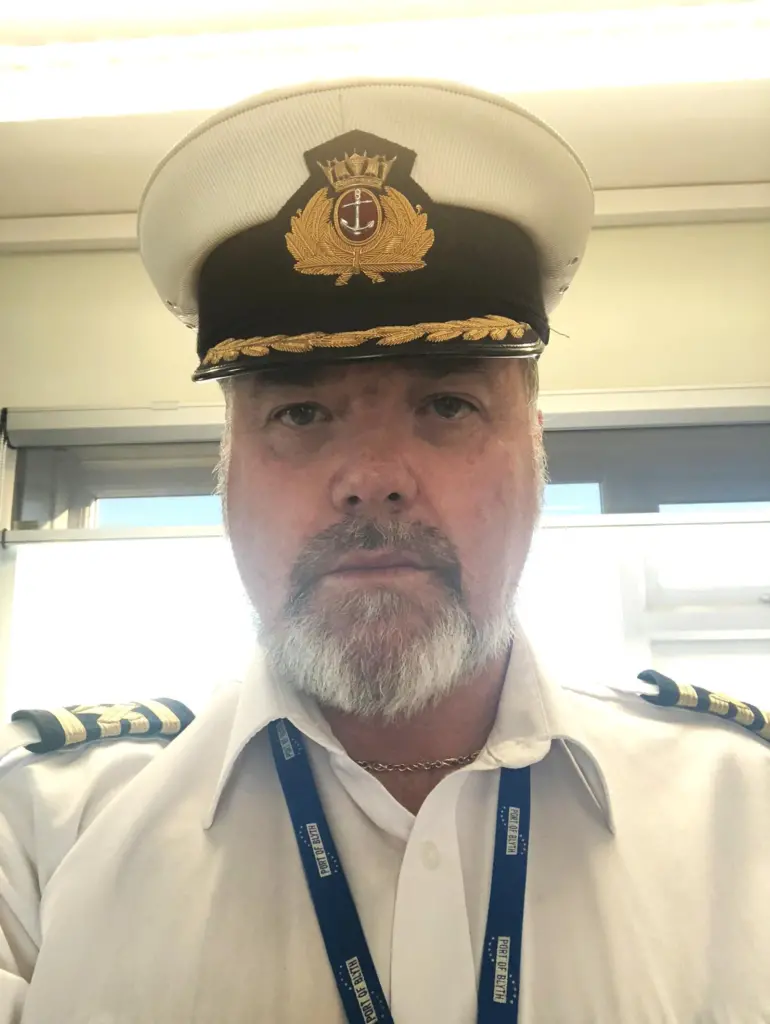
With harbour masters on the front line of all this transformation, we spoke to Captain Martin Willis, executive officer of the UK Harbour Masters Association, to find out more about the challenges they face.
The views expressed are his and not necessarily those of the UKHMA or the wider ports industry.
21st-century technology, 19th-century infrastructure
The fundamental issue facing UK ports is that they are being asked to accommodate rapidly changing technology within infrastructure that was never designed for it, says Capt Willis.
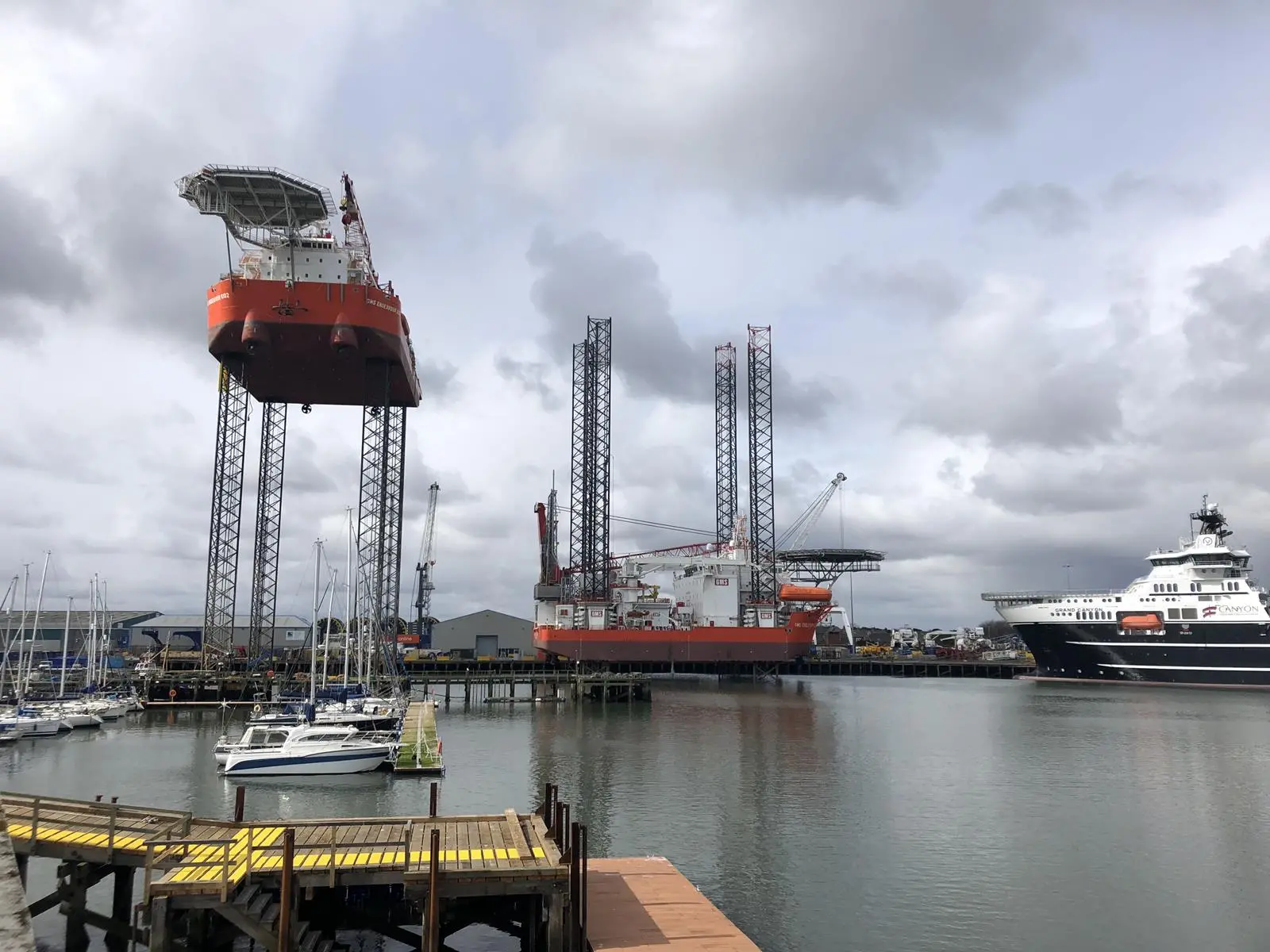
“One of the restrictions UK ports and harbours have is a bit like our railways and our sewer systems,” he says. “Cities have built up around historical ports. It’s not like being in the Far East or Middle East, where you can create ports with huge amounts of hinterland behind them. UK ports are very restricted in space, what they can use, what they can develop.”
That creates a particular problem as vessels become larger and the range of activities taking place in ports becomes more diverse. Offshore energy, alternative fuels, electrification and autonomous shipping are all placing new demands on ports, while the underlying infrastructure remains constrained.
“We’re trying to put 22nd technology into 19th or 18th century infrastructure,” says Capt Willis.
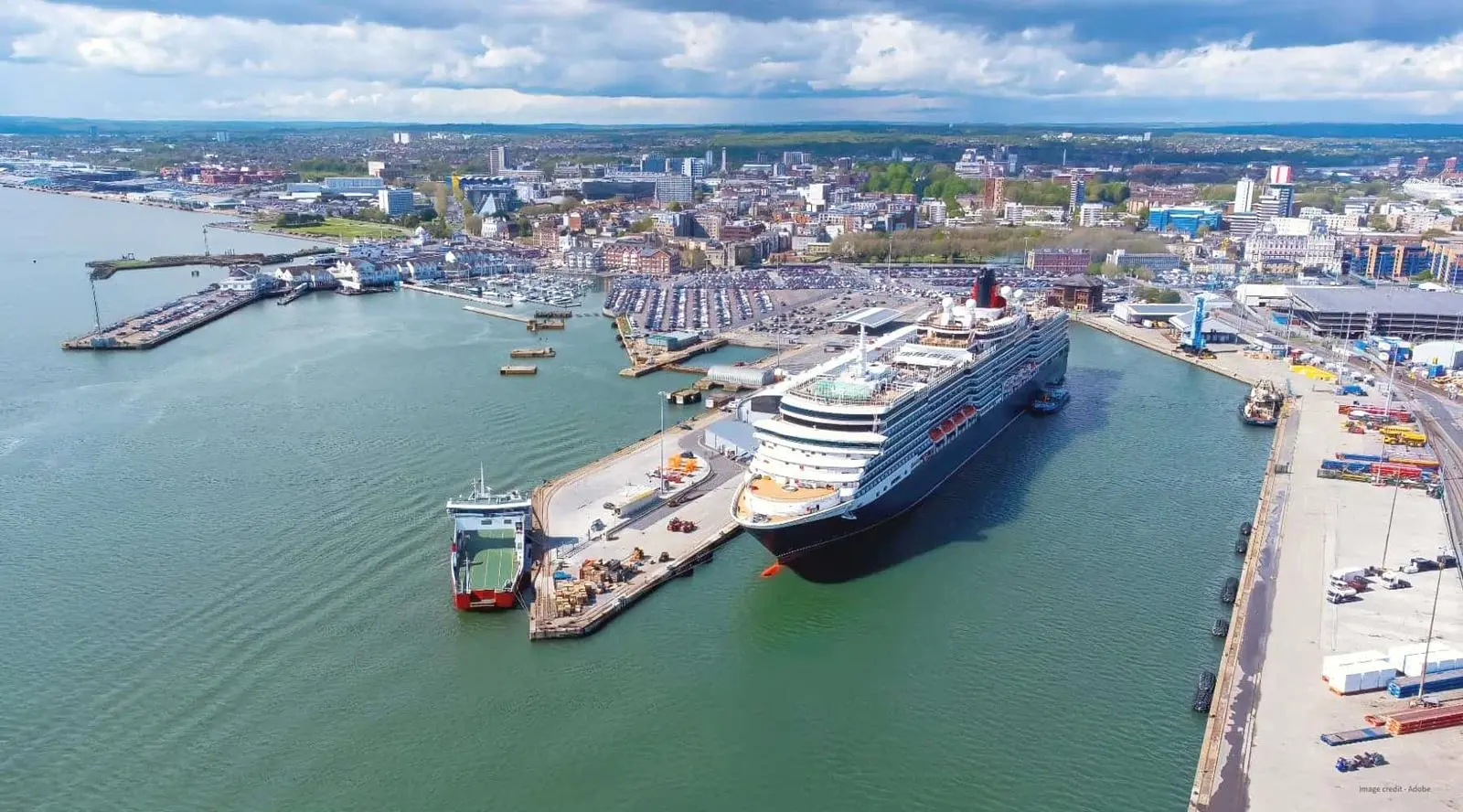
Some ports have the financial resources to lead the way, but the UK’s highly diverse port estate means that the same approach cannot work everywhere. Capt Willis says there are a number of larger port operators at the forefront of implementing new technology because they have the financial resources to do so, while many sit in a middle ground where they have significant commercial and shipping operations but would struggle to make major technology investments.
“A great example is electric and non-diesel pilot vessels. They’re around £2 million each and the larger ports can invest in one and as that technology develops or is superseded, then they can move onto and buy the next iteration.”
For mid-range and smaller ports, the calculation is very different.
“If you’re investing £1 million pounds plus into a pilot boat, you would expect to get 20 years’ service out of it. So, most ports will hang back on major investment until they know what’s the safest investment option.”
It’s the same dilemma with alternative fuel infrastructure. “Why would you go and put in a certain type of fuel facility when two years down the line, it’s no longer seen as the golden bullet? You’d be left with a white elephant.
“UK ports and harbours have to self-invest. We have to go out and get that investment or do it ourselves. There’s little or no state aid,” Capt Willis says. “You go to global maritime economies, such as Singapore, the Far East, Hong Kong, they just say, you need this, you’re going to have it. The state pays for it.”
Regulatory black hole
Technological advance is advancing much faster than the regulatory system designed to govern it, and the machinery of regulation is painfully slow – leaving new tech operators in the dark.
“The world’s moving at a faster rate than certainly what our regulators can deal with,” says Capt Willis. “We are facing a regulatory backlog: the IMO sets international standards, but they work about seven years in arrears – they’re so far off. And when we talk to the MCA they say we’ll wait for the IMO.
“But the world is not going to stop while it waits for you to regulate, and that’s what’s happening – you get a regulatory black hole, and that’s when the harbour master comes in.
“We’ve had multiple instances where new tech’s being tested or a certain vessel type wishes to come into a port, where there’s little or no regulatory guidance, no support framework. And then it often comes down to the harbour master to decide, well, do we accept it?
“If a fully autonomous cargo ship wants to come into a UK port, there is currently little or no regulatory framework to accept it. But if the commercial interest was there and the operator and port wanted to do it, then the harbour master would have to say, because all vessel movements are within their statutory responsibility, yes or no.”
A decision like that could have major consequences, for instance with insurances, liabilities and PMSC compliance, he says, if something were to go wrong.
Current regulation also doesn’t recognise the diversity of the UK’s ports and harbours, says Capt Willis.
“When you introduce legislation for UK ports, you’re doing it for 400 harbour authorities. That could be a small regional harbour somewhere, it could be a small fishing village on the west coast of Scotland. But that same legislation applies to the Port of Southampton.”
No golden fuel bullet
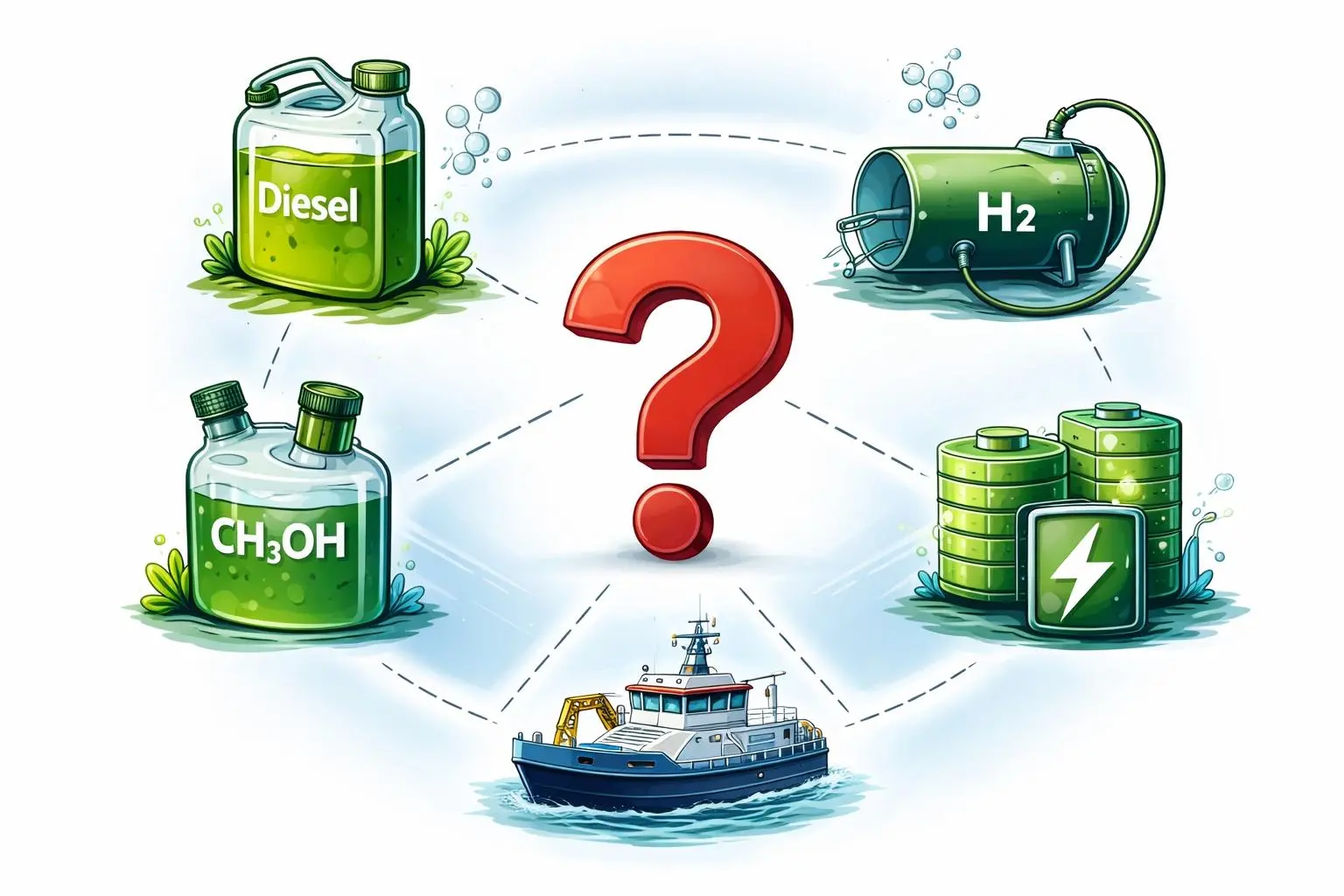
The same uncertainty applies to alternative fuels. Capt Willis says the industry is seeing ‘a large spread’ of different options, including electric, hydrogen and ethanol-based fuels, without one clear frontrunner.
“There is unlikely to be a single golden bullet,” he says. “There’s going to be a range of different fuels and options. Well, that’s great, but then you’ve got to supply the demand.”
And this of course is yet another commercial risk.
“If you can’t supply the power they need, they won’t come. So, whilst you could be getting these super container ships being built that service the world running on ethanol etc, if you can’t bunker them, they will likely go elsewhere.”
Large-scale electrification is no simpler and it’s not just the installing connections at berth, it is also providing sufficient power to the port. The electricity has to come from somewhere.
“That’s mostly got to come from the grid,” he says. “It’s got to be supplied to the quayside. Ports are having problems. They have to build substations just to feed the demand in ports.”
For now, many the ports are holding off committing.
“The ports just say, you know what, we’ll hang on and wait and see. We’re only going to invest in a known quantity.
“It’s an ever-changing picture out there, that’s for sure.”
Offshore wind disrupting port operations
Offshore wind is already changing how UK ports use their limited space, and Capt Willis says the North Sea and Scotland are seeing particularly significant energy-derived investment, with ports developing additional quay space and planning further development projects. But offshore wind can also displace the traditional cargoes that once occupied that space.
“What you often find is that this new trade displaces traditional cargo operations,” he says. “We’ve seen an upturn in smaller commercial ports whereby smaller trade is getting displaced out of certain ports because there’s little or no room left, which creates opportunity for smaller ports.
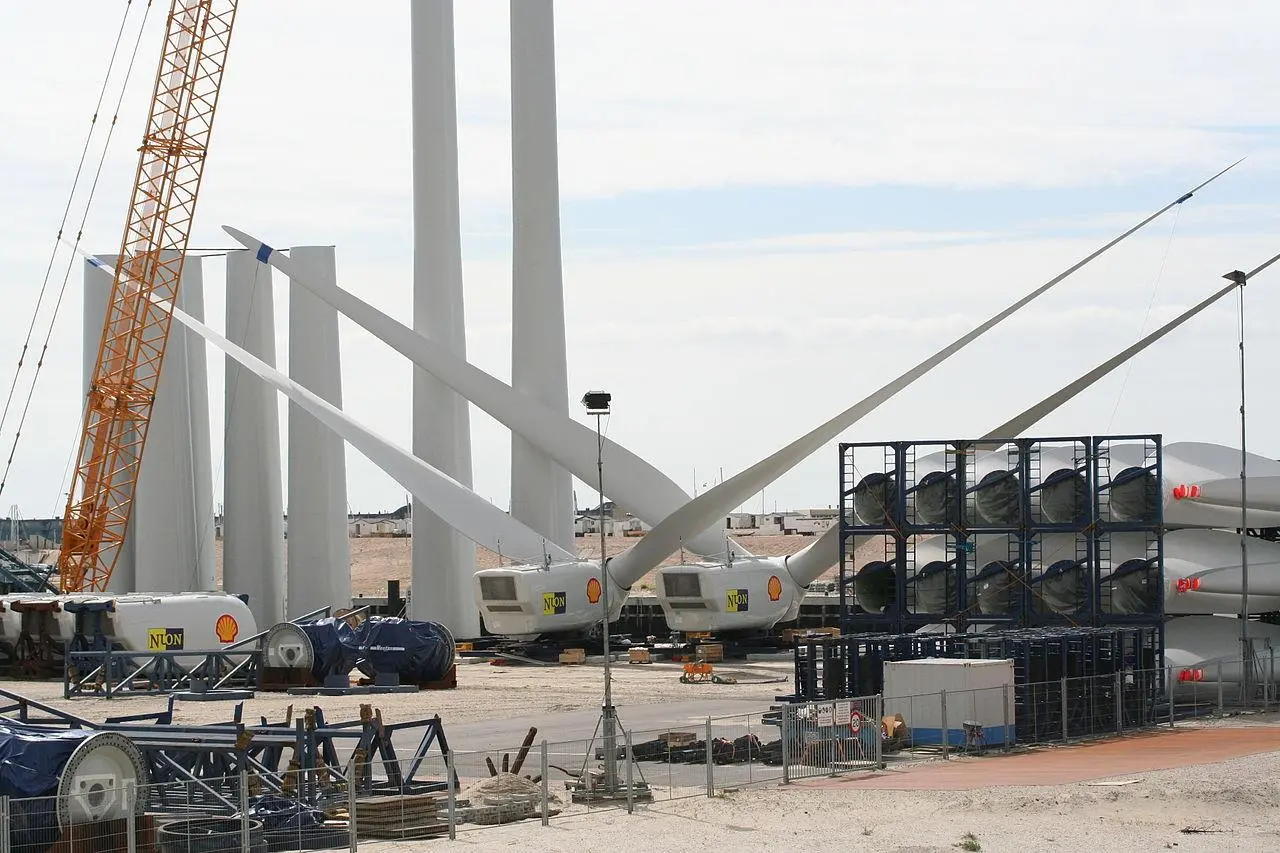
Some of these bigger ports are going 100% down the offshore support route, while smaller facilities can take on cargoes that have become less attractive to the larger ports.
“Small fish in big ports are now quite pleased, that they are now the big fish in smaller ports. They get the customer care they want and the fact that they’re a big fish and that the berth availability is there.”
The competition for space will only become more complicated as ports have to accommodate the full lifecycle of these offshore projects.
Looming decommissioning crisis
For all the attention given to creating new offshore wind capacity, Capt Willis believes there is a looming question over what happens when the first generations of turbines come back ashore.
“We’re fast approaching decommissioning for a lot of the Round 1 & 2 offshore turbines,” he says, pointing out that some older projects are not being repowered because the industry has moved towards much larger turbines.
“These things have to come back ashore somewhere.”
It’s happened with oil and gas infrastructure, and it will have to happen with wind turbines, which are now expanding in size at such a pace that the old ones are considered obsolete and will eventually be replaced.
“These things are vast,” he says. “They take up huge space to decommission, to be broken up, to be responsibly disposed of. We are only at the beginning and we’re thinking about more development. So, whilst we’ve acknowledged the challenge for space regarding the installation of wind farms, what happens when they start being decommissioned?”
For harbour authorities, the problem is practical as much as financial. A port that has committed its available space to new projects cannot simply find room for hundreds of ageing components when they eventually have to be removed.
“If you’re in a port and you’ve got a year’s worth of lay-out and building, you’re not going to all of a sudden look at bringing in this old stuff and taking up space.”
There will be commercial opportunities in decommissioning, but Capt Willis sees an important difference between the economics of building and dismantling offshore infrastructure.
“There will be significant opportunity and money involved in it, but decommissioning is not as lucrative as development,” he says.
Hurdling obstacles
The past 10 years or so have certainly been unprecedented for ports and harbours, with Covid-19 possibly the first hurdle.
“Without a doubt, Covid was a huge challenge,” Capt Willis says. “It was for everybody. But fuel, people, food comes into the UK via our ports and we had to keep them going throughout.”
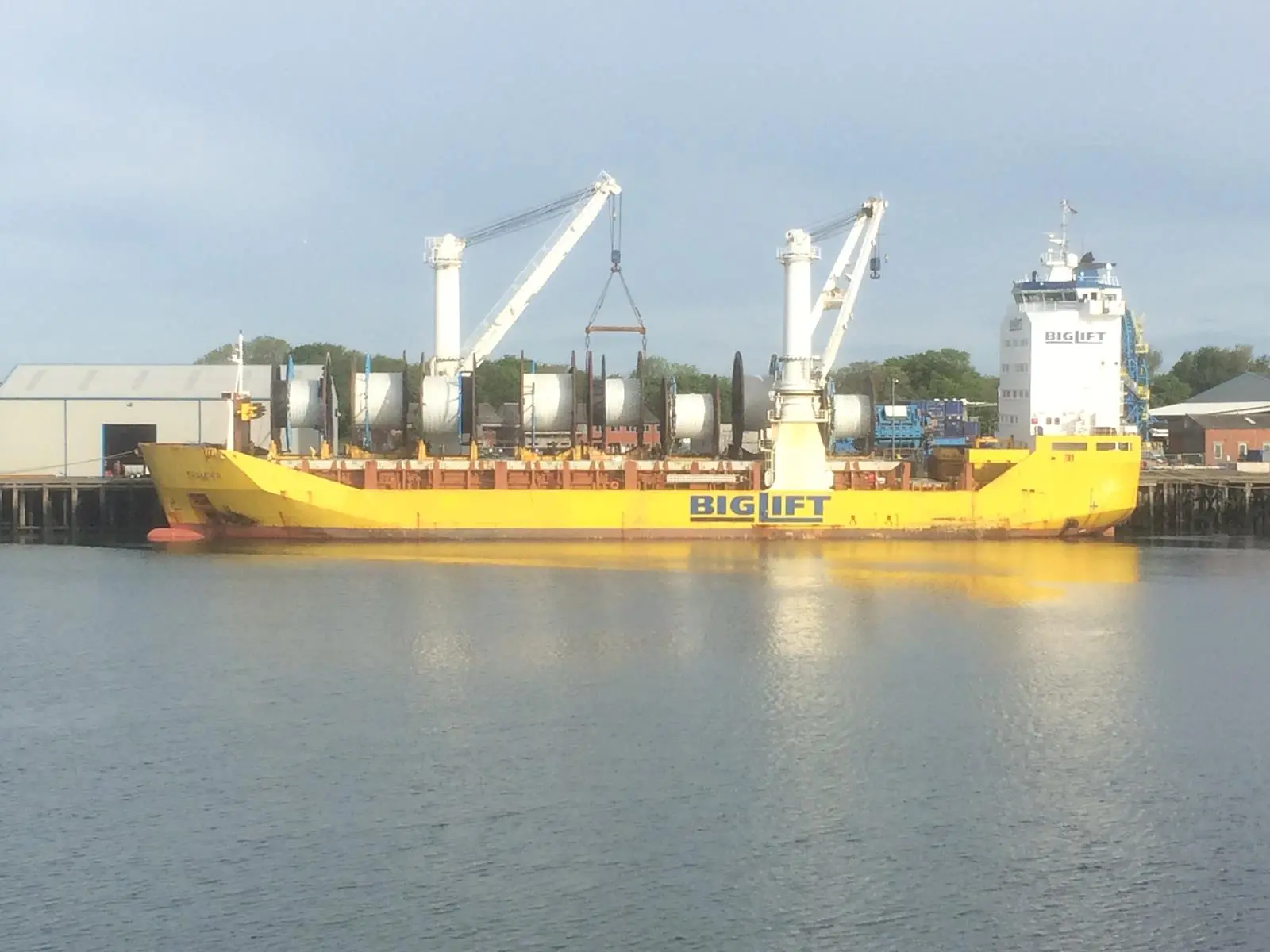
The pandemic exposed just how essential ports are to the functioning of the country, but despite the difficulties, Capt Willis believes one positive thing came out of the experience: a much closer relationship between government and the ports industry.
“We had daily meetings as an industry with the government to keep things moving. It was as if they were unsure of the ports industry until it all happened. That engagement, he says, has endured.
And then the technological changes ramped up.
“We’re seeing it across everything now, this influx of change in technology,” he says. “I think there are so many unknowns and we’ve never faced such a task to adopt, implement, embed all these different systems at the same time into a diverse maritime industry.
“We’ve got so many different strings, commitments, obligations and operations.”
Having to absorb multiple changes simultaneously while continuing to operate an industry on which the nation depends is a huge task, but Capt Willis is ultimately optimistic.
“There have always been challenges, but we are a very capable, competent industry. There are a lot of very good people in UK maritime, we’re an island nation, it’s what we do. It will work, because it has to work.”