![MaritimeJournal[Seawork]](https://www.maritimejournal.com/wp-content/uploads/2026/09/MaritimeJournalSeawork.svg)






Machine vision: A critical layer in autonomy
 Part of our special report
Autonomy at Sea · January 2026
All 10 features
Part of our special report
Autonomy at Sea · January 2026
All 10 features
Autonomy in the maritime sector is often talked about as an end-state: vessels operating with minimal or no crew, navigating complex waterways without human intervention, writes SEA.AI CEO Marcus Warrelmann.

In reality, the industry is progressing through practical, incremental steps, and many of the most valuable advances today are not about replacing crews, but about supporting them.
For commercial operators, the most immediate opportunity is systems that reduce workload, improve situational awareness and help crews make better decisions under pressure. Within that landscape, AI-powered machine vision is emerging as one of the most important enabling technologies, because autonomy begins with perception.
Most professional vessels already rely on radar, AIS, ECDIS and experienced watchkeeping. These remain essential tools, but they have well-understood limitations. AIS depends on other vessels transmitting correctly and consistently. Radar performance can be affected by sea clutter, target size and operating conditions. And even on highly disciplined bridges, fatigue and high workload remain real operational risks, especially during night operations, in congested waterways, or in poor visibility.
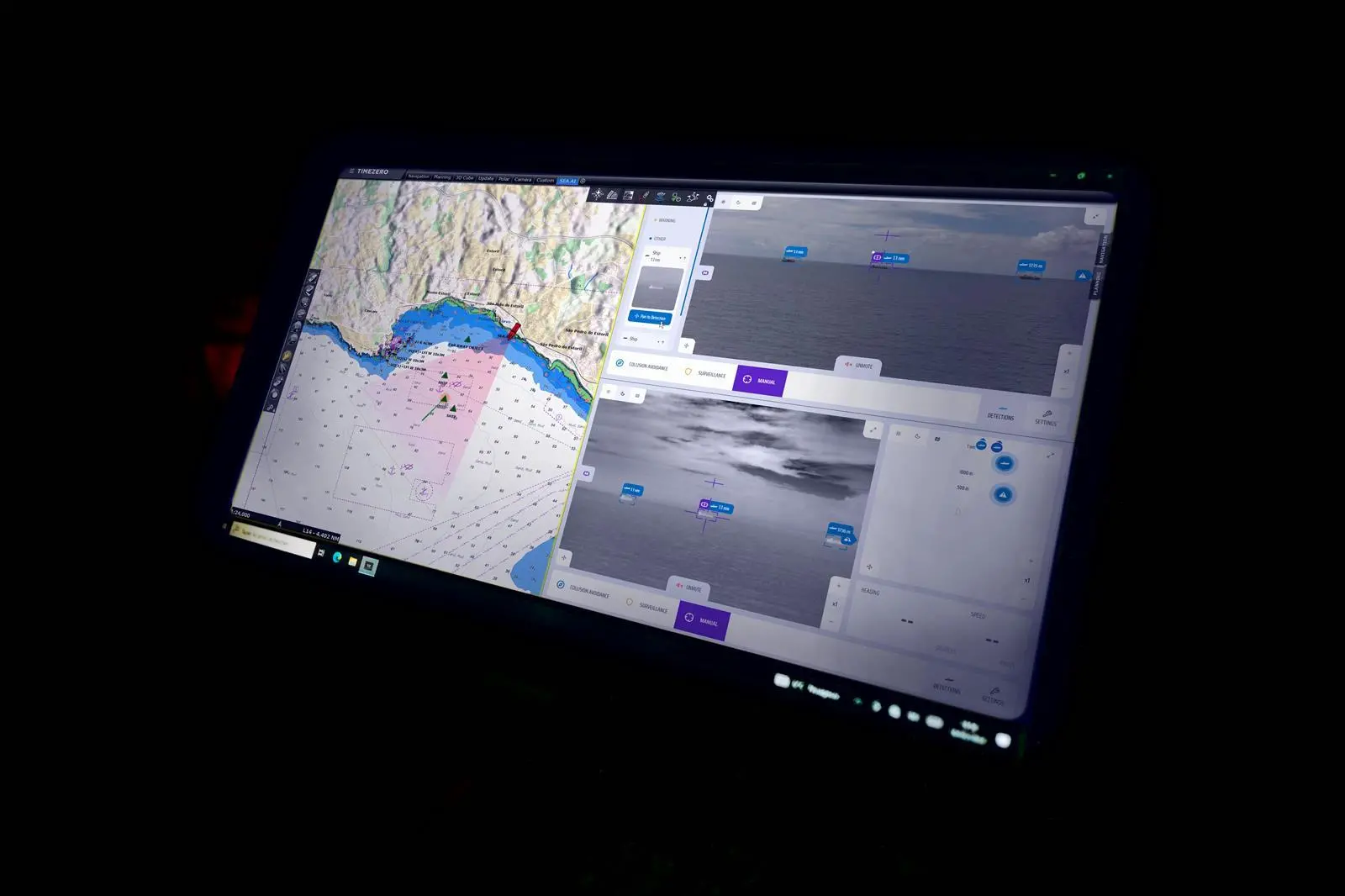
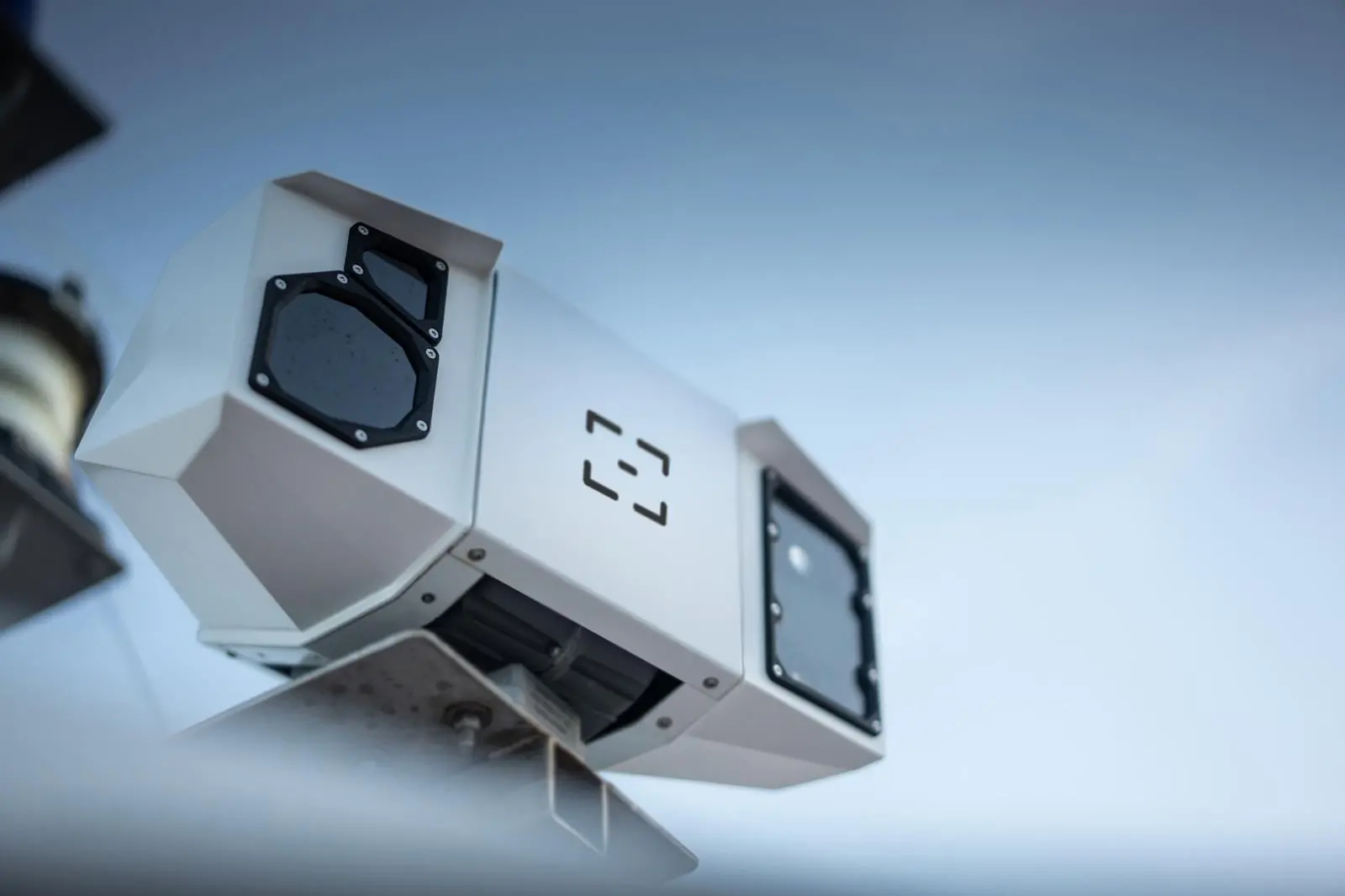
Machine vision adds an independent layer of real-time perception: a visual understanding of what is physically present around the vessel. Using optical sensors and trained algorithms, machine vision systems can detect and classify targets that may be difficult to interpret via radar or invisible to AIS, such as small craft, marine mammals, unlit vessels, floating debris or partially submerged debris. If the algorithm determines that the detected object is a hazard, the crew is alerted to action.
For commercial maritime operations, the value is tangible. Pilot boats, patrol craft, workboats and offshore service vessels frequently operate in dynamic environments, and ferries and passenger craft often face transits through crowded channels with mixed traffic. In these scenarios, earlier detection and clearer identification can reduce collision risk and help crews maintain consistent performance across long shifts and varied conditions.
Whether a vessel is crewed, remotely monitored or increasingly automated, decision-making depends on accurate awareness of the environment. That awareness must include not only cooperative targets broadcasting AIS, but also the ‘unknowns’ that create real-world incidents. Machine vision helps close that gap by detecting what is actually there, rather than what is electronically visible.
This same perception layer is also what makes higher levels of autonomy possible.
AI-powered machine vision is a core technology for many uncrewed surface vessels, particularly those used for surveillance, intelligence and defence. These projects highlight an important point for the industry: the technology that supports decision making on a crewed vessel can also become a core input for increasingly automated operations.
However, adoption is not simply a matter of adding another sensor. Integration into bridge workflows is critical. For machine vision to be useful, it must support crews rather than distract them, with alerts that are timely, relevant, and trusted.
False alarms and alert fatigue are legitimate concerns, particularly in busy waterways, and the industry will judge systems not only on technical capability but on operational usability.
There are also wider barriers that affect autonomy as a whole.
Regulation and classification frameworks are evolving, but unevenly, across regions and vessel types. Operators continue to ask how autonomy-related systems will be evaluated in incident investigations, what “good performance” looks like and how responsibilities are defined when a system contributes to situational awareness or decision support.
This is where machine vision can play a valuable role beyond real-time detection.
By recording and logging detections, near-misses and developing situations, vision-based systems can support training, safety management, and post-incident review.
That evidence is increasingly important, not only for internal learning and continuous improvement, but also for demonstrating due diligence to insurers, regulators and other stakeholders.
For operators who have not yet explored autonomy-related technologies, machine vision is one of the most practical entry points. It delivers immediate safety and workload benefits on conventionally crewed vessels today, while building a foundation for the more automated operations of tomorrow.
Autonomy will not arrive through one dramatic leap, but through layered capability, and machine vision is a core layer in that stack.