![MaritimeJournal[Seawork]](https://www.maritimejournal.com/wp-content/uploads/2026/09/MaritimeJournalSeawork.svg)


Autonomous container loading technology to cut time in port
Autonomous container loading and offloading concepts to cut time in port, costs and manning levels have been developed.
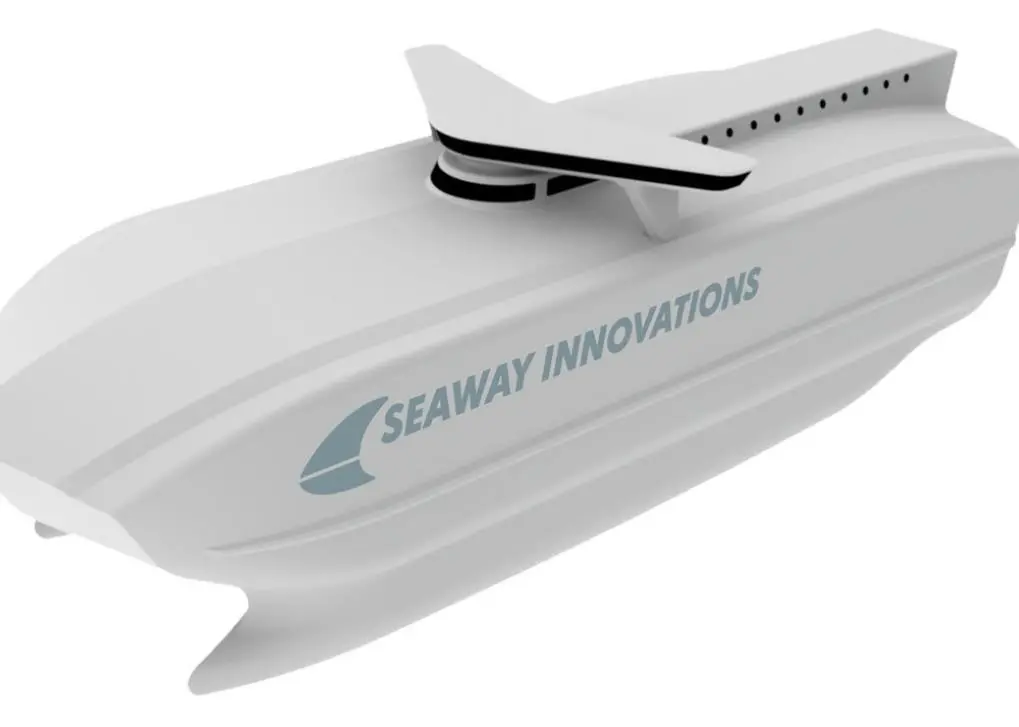
The CargoFlow concepts base operations on CargoCat, a RoRo vessel which may be either a monohull or multihull ship and CargoKitten, a smaller vessel delivering feeder operations between smaller ports and the service.
Dagfinn Aksnes, owner and CEO of Norway-based Seaway Innovations, which developed the technology and vessels alongside FluXXWorks, said the concepts have been modelled and proved through simulations that visualise the cargo flows, automation and the multimodal integration.
15-20 knots speed
A container ship today normally travels at 8-14 knots while CargoCat will travel at 15-20 knots with reduced fuel consumption and minimal emissions. Loading and offloading will run on renewable energy.
The speed of operations reduces waiting time in ports, allowing ships to maximise revenue at sea.
Automation technologies for cargo handling renders cranes and their high purchase and installation costs and expensive maintenance obsolete, said Seaway Innovations.
Revenue increase
As manning levels in port and onboard are significantly reduced, revenues will be increased and costs reduced for both ship owners and cargo owners, said board member Roald Toskedal.
Ship owners, cargo owners and ports are also expected to benefit as the process will transfer some volumes from road to sea, increase turnover for stakeholders.
Seaway Innovations are now seeking investors and potential collaboration partners for CargoFlow.
By Rebecca Jeffrey