![MaritimeJournal[Seawork]](https://www.maritimejournal.com/wp-content/uploads/2026/09/MaritimeJournalSeawork.svg)




Cutty Sark reopens
Her Majesty the Queen will officially reopen the 1869 tea clipper, Cutty Sark, today after a multi million UK restoration project spanning six years.
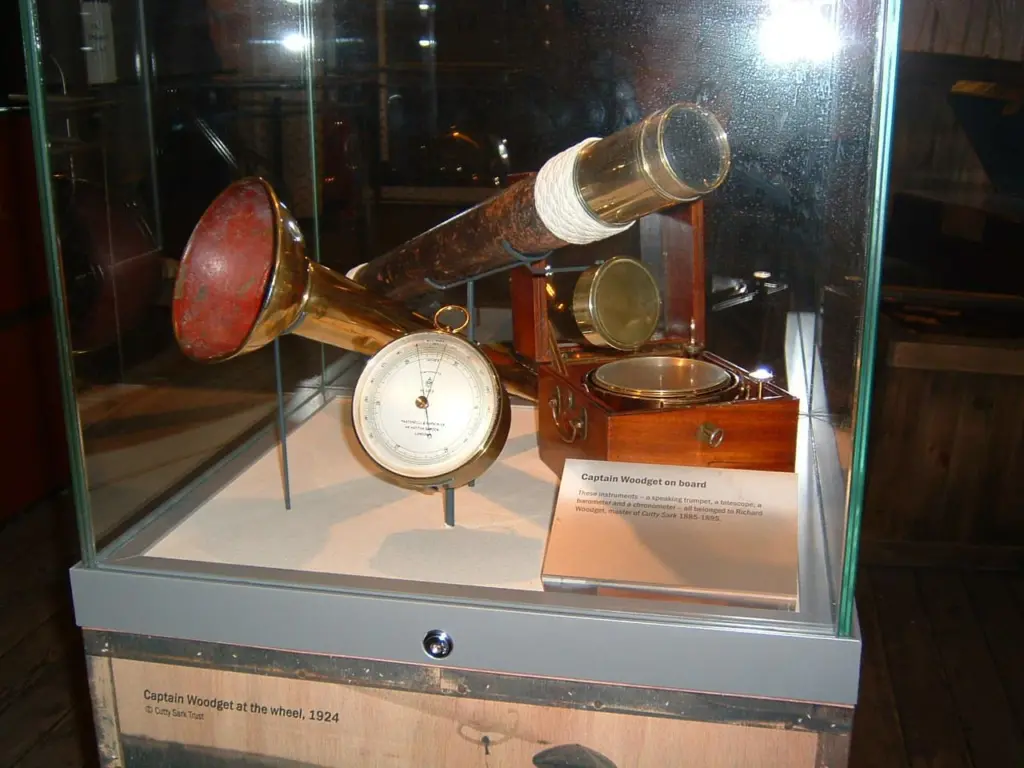
There appears to be little to worry about though, His Royal Highness, the Duke of Edinburgh, should be incredibly proud of the ship for which he originally set up the Preservation Society back in 1954 – the memorial to “the great days of sailing” and to all those who served in the merchant service.
There was plenty of pre-opening mayhem yesterday, with builders hastily completing last minute jobs – but the restored ship is a joy to behold.
The ship has been lovingly restored with much of the original fabric having been maintained – thankfully most of the timber was in storage at the time of the catastrophic fire in 2007, which threatened to put paid to the entire renovation project.
In a brilliant feat of engineering, Cutty Sark has been raised 11 feet into the air relieving the keel of the weight of the ship – all 900 tonnes of it, and preserving its unique shape. For the first time visitors can walk underneath the hull, which is strangely disconcerting.
The ship’s decks and rigging have been painstakingly restored piece by piece. The metal frame of the hull is largely original and the new metal cladding on the hull is true to the original.
The timber planks that form the hull – each measuring around 30ft – are still the original elm below the water line and teak above. In fact it is reckoned that over 90% of the ship is ‘original’ – if a ship is ever truly that after undergoing repairs throughout the course of its working life.
Jim Soloman, head of conservation from Buro Happold – the engineers who worked on the project, said to Maritime Journal: “There were two major problems to address during the project – corrosion of the iron frame and rotting of the timbers. We had to dismantle the ship piece by piece, remove the corrosion and protect the metal. The work that we’ve done should mean there needs to be no more attention to the metalwork for 50 years. Now everything is watertight this will conserve the ship for the future.”
Most of the deck planks though are not original – they were destroyed by the 2007 fire. But they have been replaced using like materials – douglas fir in fact – using the craftsmanship of the day.
The architects Grimshaw, were responsible for the ‘floating design’ – or the ‘coat hanger’ as they call it – the most complicated part of the project. The hanging design was a “real leap of faith”, according to architect Chris Nash. Not least because it was a “design done on a kitchen table one Sunday.”
It was announced this month that the ship will come under the operational management of Royal Museums Greenwich in future, who also manage the National Maritime Museum.
Incidently, at the Greenwich Maritime Museum this week, a new exhibition, curated by historian Dr David Starkey called Royal River, Power, Pageantry and the Thames also opens to the public in time for the Diamond Jubilee.
Whilst snooping about the exhibition, MJ ran into the “rudest man in Britain” himself. When asked about the importance of the exhibition in the Queen’s Diamond Jubilee year, Dr Starkey, said to MJ: “London only came about because of the Thames and until the nineteenth century the river was the principal street. This exhibition explores the Thames through the ages and how it has been used both for business and pleasure.”
“In this Jubilee year, we are truly re-embracing the relationship between London, the river, the monarchy and the city.”
And the Queen will be taking to the river herself as part of the Diamond Jubilee celebrations. On Sunday 3 June, over one thousand boats will process down the River Thames for the Thames Diamond Jubilee Pageant – It will be one of the largest flotillas of commercial and pleasure vessels ever assembled on the river.
By Anne-Marie Causer
Related Articles
 OTHER NEWS
 ACCESSORIES & EQUIPMENT
 ACCESSORIES & EQUIPMENT