![MaritimeJournal[Seawork]](https://www.maritimejournal.com/wp-content/uploads/2026/09/MaritimeJournalSeawork.svg)





Job cuts at Schottel
German azimuthing propulsion systems manufacturer Schottel GmbH has announced a reorganization with 150 jobs to be lost worldwide.
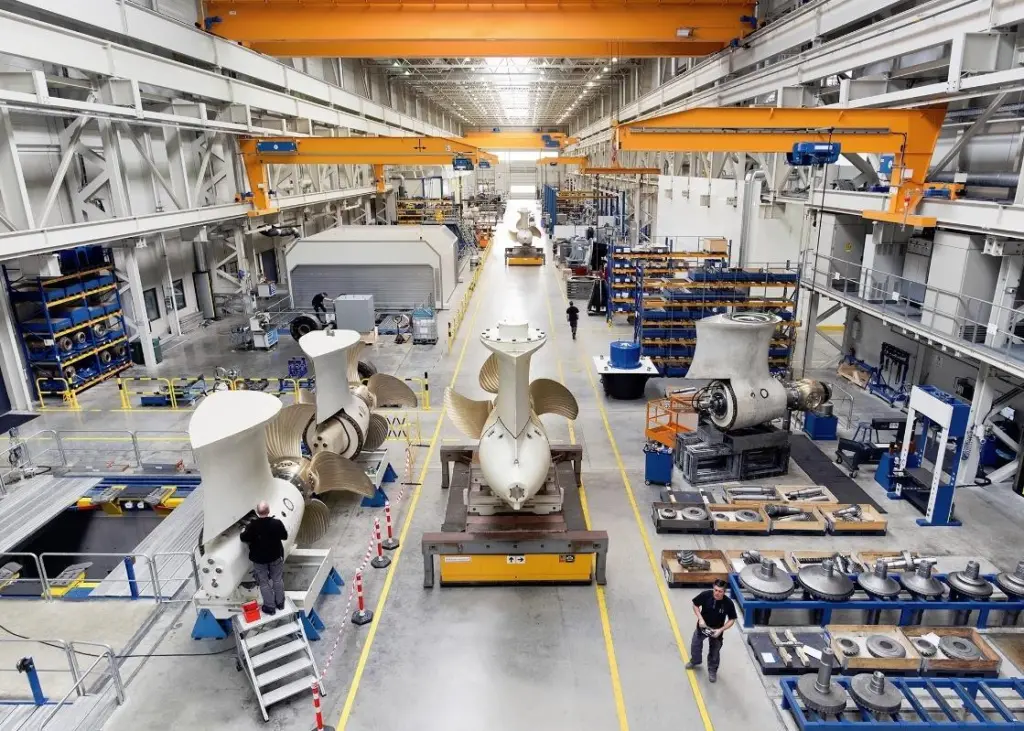
Contrary to the recent industry trend, Schottel has been able to gain market share in recent years, and has invested heavily in these years, but the company says it has been defying a market environment weakened by the collapse of offshore business (oil and gas production) for years.
The company closed the 2018 financial year with a good result. However, political conflicts in international trade and the associated global uncertainties are causing massive reductions in investments and demand for marine propulsion systems. To ensure that Schottel remains sustainably successful and to underpin its good competitive position, a comprehensive optimization program has been initiated within the company. This includes both growth initiatives as well as measures for enhancing the efficiency of corporate processes and structures.
In connection with the core competence in marine propulsion, opportunities for growth in hybrid technology, in intelligent data collection, diagnosis and assistance systems as well as in digital products have been identified and strategically developed to create additional customer value. The large Schottel installed base that has grown over decades offers promising potential with a focus on the upgrade and modernization market.
In order to further adapt to the changing market conditions reductions in headcount cannot be avoided. Approximately 150 of the 950 jobs of the maritime group worldwide will be affected by this measure. The German Schottel sites in Spay, Doerth and Wismar with currently around 750 jobs will be affected with about 90 job cuts in total. A large number of the job losses will be covered through social plans such as early retirement arrangements.
The aim of the measures is to strengthen the company’s competitiveness in current challenging market conditions.
By Jake Frith