![MaritimeJournal[Seawork]](https://www.maritimejournal.com/wp-content/uploads/2026/09/MaritimeJournalSeawork.svg)





Kongsberg get Windsense
Norway’s Kongsberg Maritime is developing the Windsense project, which aims to develop a new and flexible instrumentation system for wind turbines.
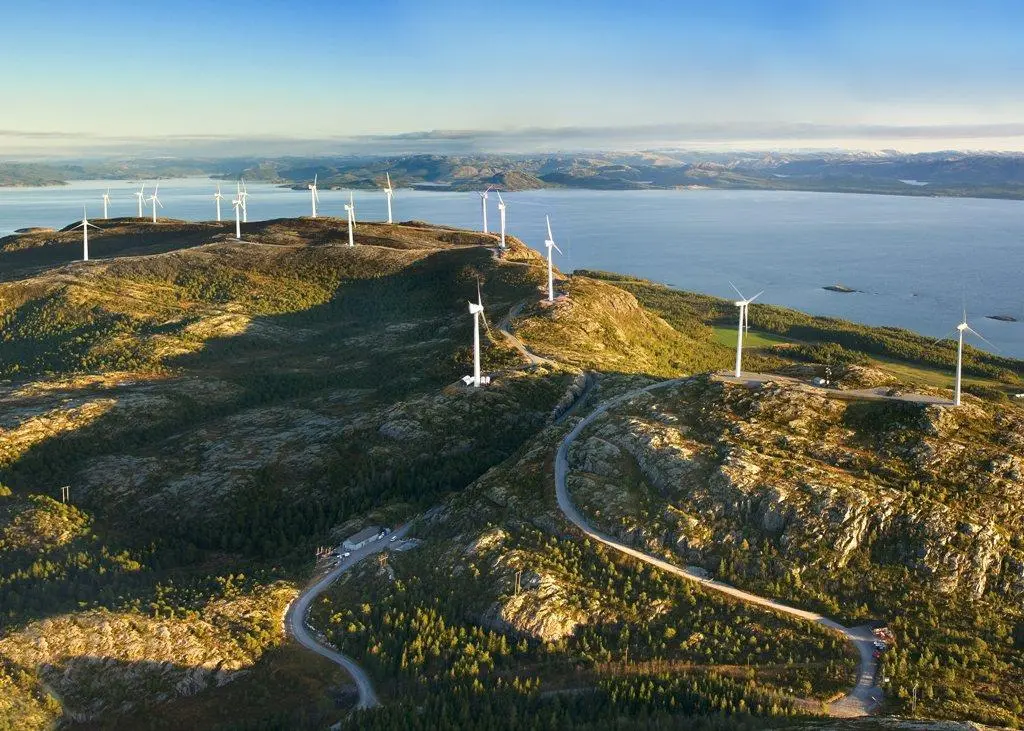
The system aims to make wind turbines more effective by reducing unplanned shutdowns, thus achieving higher reliability of the power plant. It also makes it possible to temporarily run the turbines at a lower capacity in anticipation of required maintenance, which further reduces expensive downtime.
“We hope that this project will help to make offshore wind power more competitive and thus help to facilitate a green Norwegian economy in the future,” said project manager, Oddbjørn Malmo, from Kongsberg Maritime, Lade.
A key challenge for the future is the adaptation of equipment and methods for maintenance from the maritime and oil and gas industry, for use on offshore wind turbines Kongsberg say. Cost-effective operation of offshore wind turbines will require new technology that enables a greater degree of remote control and remote monitoring of the turbines – It also requires durable and reliable instruments to monitor the operation and components in harsh environments at sea.
“This system will primarily be an instrument for monitoring the technical condition of the wind turbine and the life cycle of the components used. It will make it possible to more accurately predict when the equipment must be replaced. Today, such assessments are usually done by operators using handheld inspection equipment,” Mr Malmo added.
Windsense is a collaboration project between some of the strongest wind power and instrumentation companies within Wind Cluster Mid-Norway, mainly located in the Trøndelag region of Norway. The project, which amounts to NOK22m, has been initiated through collaboration with the Norwegian Centres of Expertise Instrumentation (NCEI). It has been awarded a total of NOK10m from The Norwegian Research Council’s RENERGI programme.
Kongsberg Maritime is project owner and other participants are Statoil, NTE, Light Structures, Trollhetta, NTNU, HiST, SINTEF Energy Research and MARINTEK.
Related Articles
 OTHER NEWS
 ACCESSORIES & EQUIPMENT
 ACCESSORIES & EQUIPMENT