![MaritimeJournal[Seawork]](https://www.maritimejournal.com/wp-content/uploads/2026/09/MaritimeJournalSeawork.svg)


Deltares study highlights the advantages of broad green dikes
A study carried out by Delft based independent research institute Deltares and Alterra Wageningen University and Research Centre has examined an alternative option for upgrading dikes along the Eems-Dollard area.
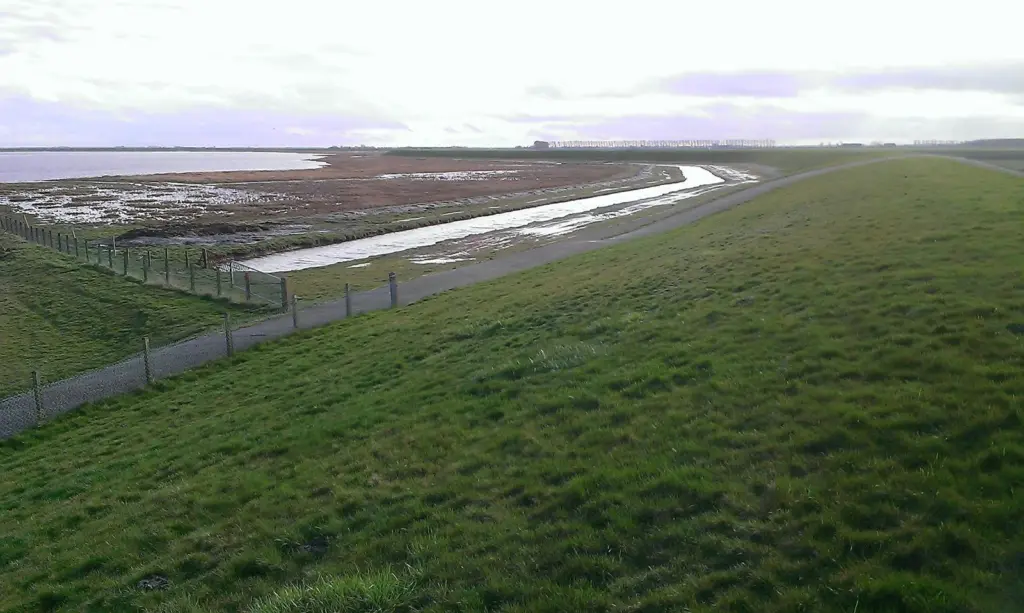
The study looked at various options for upgrading the dikes including the broad green dike model, comparing the construction costs and protection levels with a traditional dike. The adoption of a broad green dike has often been used in the Netherlands for flood control measures in the past, featuring a very shallow slope and a foreland consisting of marshland.
The dike is built entirely from clay and covered with grass. Natural features are included in the design, intended to generate interest from nature conservation organisations and local residents. As mentioned, this approach to building dikes has been adopted previously but generally they are no longer considered as an alternative as there is a preference nowadays for dikes that take up as little space as possible making such options inappropriate at locations where space is at a premium.
The Eems-Dollard area however is considered to be suitable for this type of dike. The cost per kilometre of a broad green dike is significantly lower as there are no requirements for an expensive asphalt or stone revetment. This finding came as somewhat of a surprise to the researchers because more material is actually required for the dike. The dike also has advantages over traditional forms in terms of safety. The larger base width of the dike, in combination with the marsh making it less susceptible to seepage and piping; mechanisms that render dikes unstable.
In addition, the crest of the dike does not need to be as high with consequential improvements in stability. The favourable results of the comparison study have led to the researchers recommending small-scale tests over the next few years for the new dike concept and the extraction of clay from the marshland. These tests are expected to generate additional information making it possible to consider the option of broad green dikes as a potential alternative during the next round of dike upgrades.
The ‘Detailed exploration of a green Dollard dike’ study was produced as part of the national government’s Wadden Area Delta Programme in collaboration with Rijkwaterstraat’s corporate innovation programme, the rich Wadden Sea programme and the Rural Area Department (Dienst Landelijk Gebied). The study was initiated in response to the rejection of a number of dikes in the northern Netherlands because the hard revetments were no longer able to cope with the waves.
By Peter Barker