![MaritimeJournal[Seawork]](https://www.maritimejournal.com/wp-content/uploads/2026/09/MaritimeJournalSeawork.svg)





Teesport Offshore Gateway aims to rival UK’s largest offshore wind ports
PD Ports says it plans to have a major offshore wind hub up and running within two years, competing with the more established UK ports.
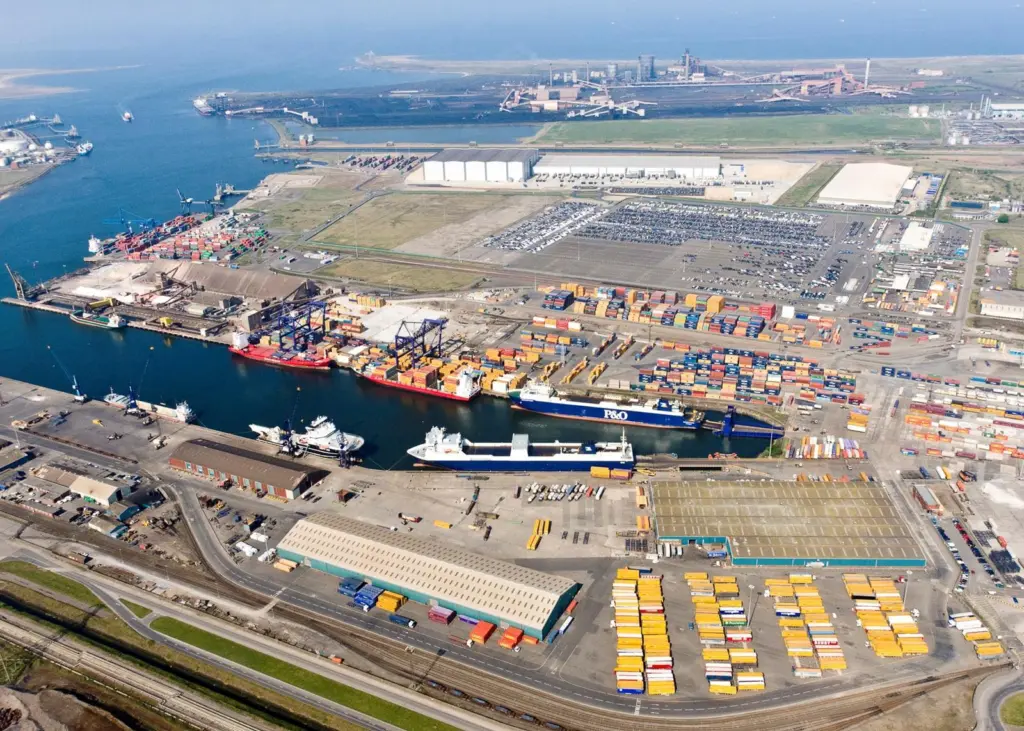
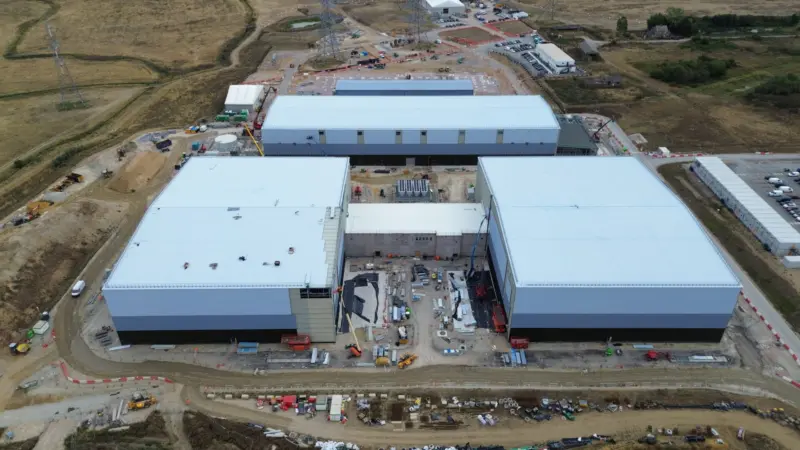
Teesport Offshore Gateway is a major deep-water manufacturing and assembly hub on the River Tees in the northeast of the country.
The company says the development would act as a ‘natural landing point’ for the next phase of the UK’s offshore wind programme, particularly as new 6GW licence areas in the central North Sea are closest to Teesside. This proximity, combined with deep-water access, positions the site to address a key gap in the UK’s port infrastructure for handling next-generation fixed and floating wind projects, PD Ports says.
If delivered, it would become the largest offshore wind port facility in the UK, featuring berths of up to 1km in length, depths of 16 metres and more than 300 acres of adjacent development land within the Teesport estate.
Economic projections suggest the facility could contribute £270 million a year to the regional economy and support more than 2,200 direct and indirect jobs.
Subject to a final investment decision, the Teesport Offshore Gateway could be operational by 2028, building on an existing industrial cluster across Teesport and Hartlepool, which already includes subsea cable manufacturing, offshore wind operations and large-scale fabrication activity.
PD Ports has secured consents for deep-water berth development at the site and is progressing planning variations to enable offshore wind use. The company said it is in advanced discussions with developers, manufacturers and installation partners, citing strong market interest.
Chief executive Frans Calje said the project could “fill a critical gap” in the UK supply chain and support national clean energy targets, while giving the UK a competitive advantage in servicing large offshore wind installations.
“We have the site, the consents, the deep-water access and an established industrial cluster around us,” said Calje. “The deep-water port would also secure a decisive competitive advantage for the UK, capable of taking the largest vessels and wind turbine generators along the East Coast.”
Teesport’s competition
The proposed Teesport Offshore Gateway positions Teesport as a potential step-change in UK offshore wind port capability, particularly when compared with established hubs such as Humber ports and Aberdeen Harbour.
At its core advantage is scale and depth. Plans for Teesport include berths up to 1km long, 16m water depth and more than 300 acres of adjacent land, enabling it to handle the largest next-generation installation vessels and floating wind components, according to PD Ports.
This is significant because only a limited number of UK ports currently offer sufficient deep-water access for industrial-scale offshore wind assembly, particularly for floating wind, says RenewableUK. A lot of other facilities will also need substantial upgrades to be able to cater for the next generation of turbines, vessels and components.
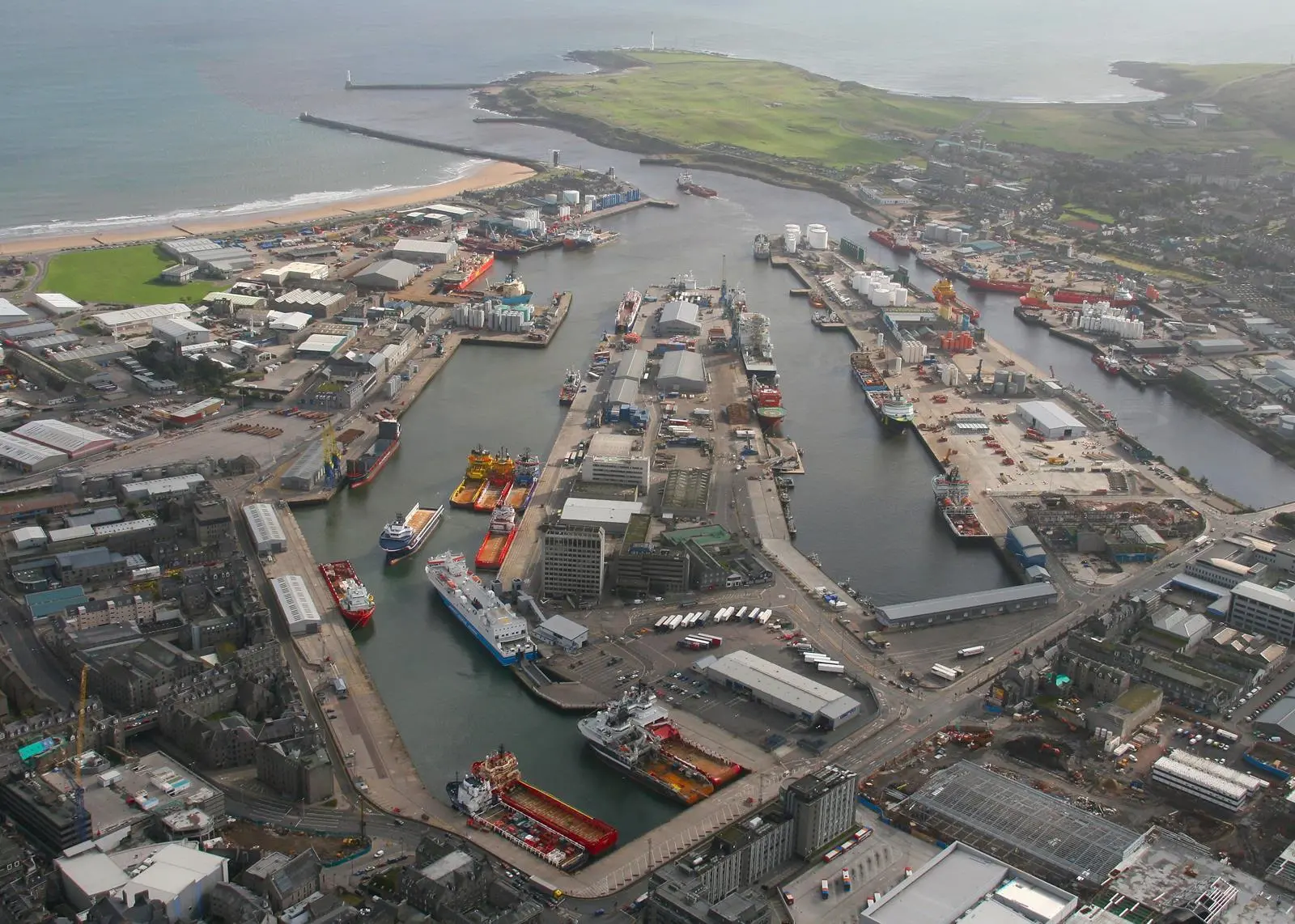
Compared with Humber ports like Hull and Grimsby, which are already key offshore wind hubs, Teesport’s capacity for expansion and integrated manufacturing has benefits. Humber facilities are proven marshalling and O&M centres, but are often more spatially constrained, whereas Teesport’s large contiguous site could support full manufacturing, assembly and deployment at scale.
Geographically, Teesport also benefits from proximity to central North Sea lease areas, including future Crown Estate developments expected to deliver around 6GW of capacity. This mirrors the strategic positioning of Aberdeen, which services North Sea energy projects, but Teesport is arguably better aligned with the next wave of large fixed and floating wind developments further south.
Overall, while ports like Aberdeen and the Humber are established leaders, Teesport Offshore Gateway’s combination of deep-water capability, large-scale land availability and proximity to new wind sites suggests it could become one of the UK’s most competitive offshore wind hubs by the late 2020s.
Related Articles
 INDUSTRY NEWS
 MARINE CIVILS
 MARINE CIVILS