![MaritimeJournal[Seawork]](https://www.maritimejournal.com/wp-content/uploads/2026/09/MaritimeJournalSeawork.svg)
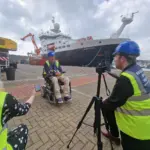


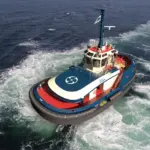


WATCH: Beach building begins on Brighton coastal defence
Beach replenishment has begun on a major coastal defence scheme between the UK coastal city of Brighton and the River Adur, marking the latest stage of a project designed to protect a 10km stretch of coastline from erosion and flooding.
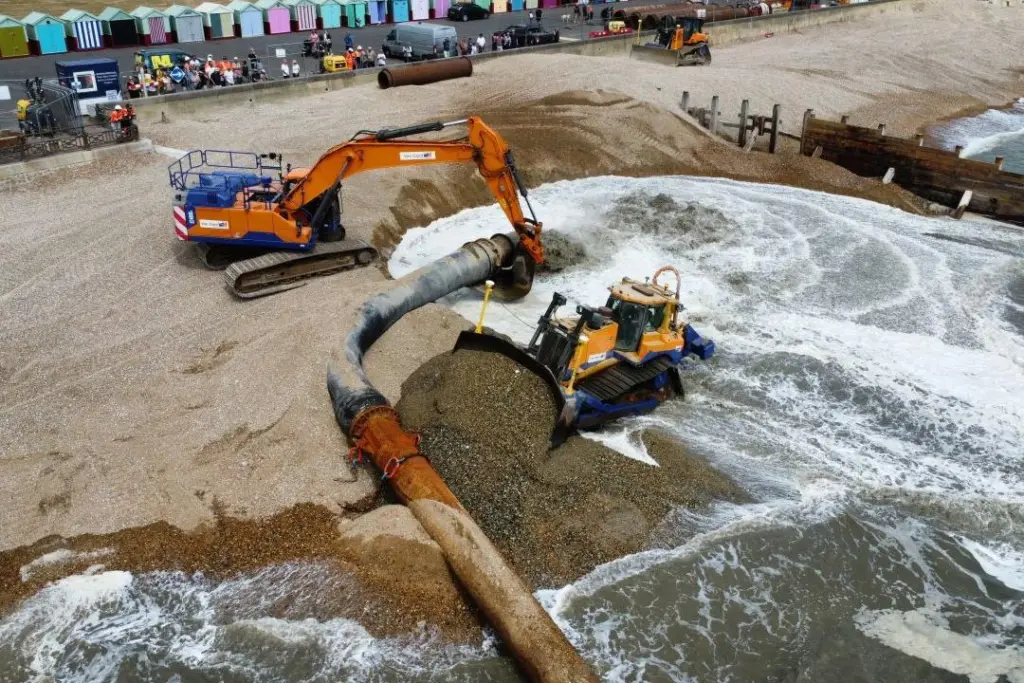
Van Oord, working with its subsidiary Mackley and Brighton & Hove City Council, has completed the first beach-nourishment pumping operation, with trailing suction hopper dredger Vox Apolonia delivering the first load of shingle and pumping now under way.
Van Oord described the operation as ‘the beginning of a significant phase’ of the UK project, saying the shingle would strengthen the beach profile and help reduce coastal flood risk.
The material is being sourced from a licensed offshore borrow area east of the Isle of Wight and pumped ashore, Brighton City Council says.
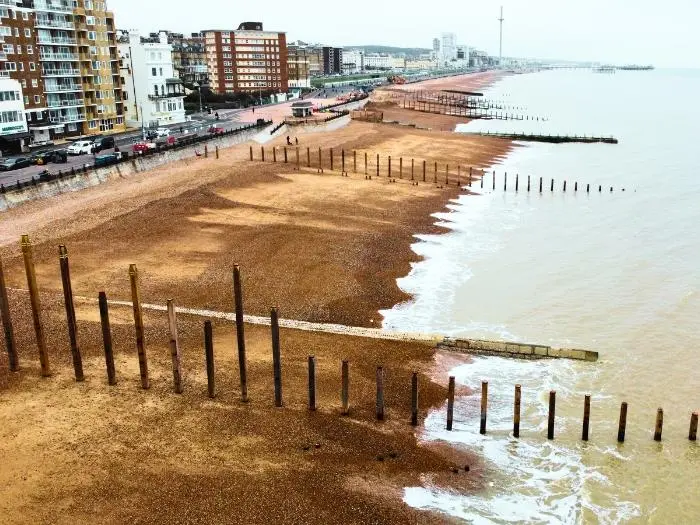
The replenishment follows the construction of a new field of nine timber groynes, which the council says will extend the beach by approximately 25 metres out to sea. The additional shingle will fill the bays between the groynes, helping to slow the movement of beach material along the coast and reducing the amount washed onto the promenade during storms and high tides.
The council has framed the work as part of a longer-term response to rising sea levels, storm events and coastal erosion.
Marine contractor Van Oord was appointed to deliver Phase 2 under a contract worth £16.3 million (€19 million). The works are contracted to be finished in February 2027. The scope includes removal of existing groynes and beach debris, construction of new timber groynes, beach nourishment and concrete and concrete-repair works.
Once the groynes are in place the next task will be to build up the beach itself.
Van Oord says the pumping operation is expected to continue for around four weeks. Once complete, the enlarged beach and new groyne field will provide the physical barrier intended to absorb wave energy and reduce erosion and flood risk along this 10km section of the Sussex coast.
Related Articles
 INDUSTRY NEWS
 MARINE CIVILS
 MARINE CIVILS