![MaritimeJournal[Seawork]](https://www.maritimejournal.com/wp-content/uploads/2026/09/MaritimeJournalSeawork.svg)

Gustav puts Sentinel to the test
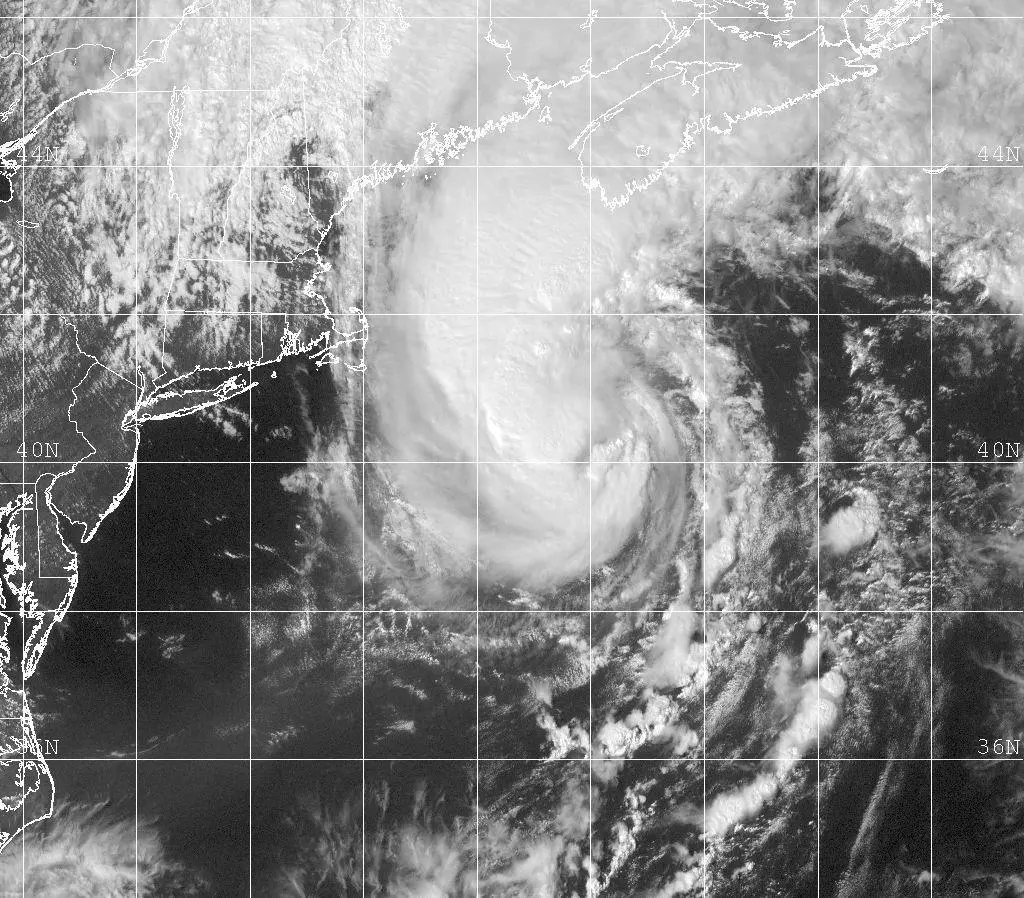
With Hurricane Gustav bearing down on New Orleans at the time of writing, it will be interesting to follow the fate and judge the performance of the first of four new hurricane hardened water level observing stations which the National Oceanic and Atmospheric Administartion (NOAA) is installing at key locations in coastal Mississippi and Louisiana.
The yellow, 25 foot tall ‘NOAA Sentinel’ in Bay St Louis, Mississippi was installed just days before Gustav arrived and should have provided real time water level and meteorological data to help coastal authorities and the public prepare for, mitigate, and respond to storm tides generated by Gustav or any other severe coastal storms to follow.
NOAA Sentinels are also being installed in Calcasieu Pass, Amerada Pass, and Shell Beach, Louisiana, communities that are especially vulnerable to severe storms.
‘NOAA is committed to providing the public accurate, real time ocean and coastal water and weather data to support public safety, navigation and commerce, said John H. Dunnigan, NOAA assistant administrator for the National Ocean Service. ‘These new NOAA Sentinels will ensure that critical water and wind information is available during severe storms, when it’s needed most.’
Operated by NOAA’s Center for Operational Oceanographic Products and Services, the NOAA Sentinels are designed to withstand wind and wave action from a Category 4 hurricane (winds from 131 to 155 miles per hour). The sensor-packed stations are mounted on four foot diameter steel posts, which are driven 60 to 80 feet into the seafloor to ensure stability.
The data collected by the NOAA Sentinels are essential to providing accurate marine weather and flood forecasts, planning and executing evacuations, determining when to open and close locks, facilitating the reopening of ports after storms, and determining the vulnerability of coastal areas to storm surges. Installation of the stations will be over the next few months, subject perhaps to the effects of Hurricane Gustav.
‘This technology will deliver real time storm tide data during severe coastal events that will allow emergency managers to take appropriate action and will provide information to help protect life and property, said Senator Thad Cochran. ‘I am pleased NOAA has worked to install these sentinels at locations off the coast of Mississippi and Louisiana.’
Part of NOAA National Water Level Observation Network, the NOAA Sentinels will replace stations that were destroyed or heavily damaged by recent hurricanes. Real time data from all of NOAA’s National Water Level Observation Network stations are available at www.tidesandcurrents.noaa.gov.
Related Articles
 INSURANCE, LEGAL & FINANCE
 EQUIPMENT
 EQUIPMENT