![MaritimeJournal[Seawork]](https://www.maritimejournal.com/wp-content/uploads/2026/09/MaritimeJournalSeawork.svg)




Buesum eliminates berth bottlenecks
Fishing fleet berthing bottlenecks which have plagued the small German North Sea port of Buesum in recent years have been eliminated with the completion of a new quay.
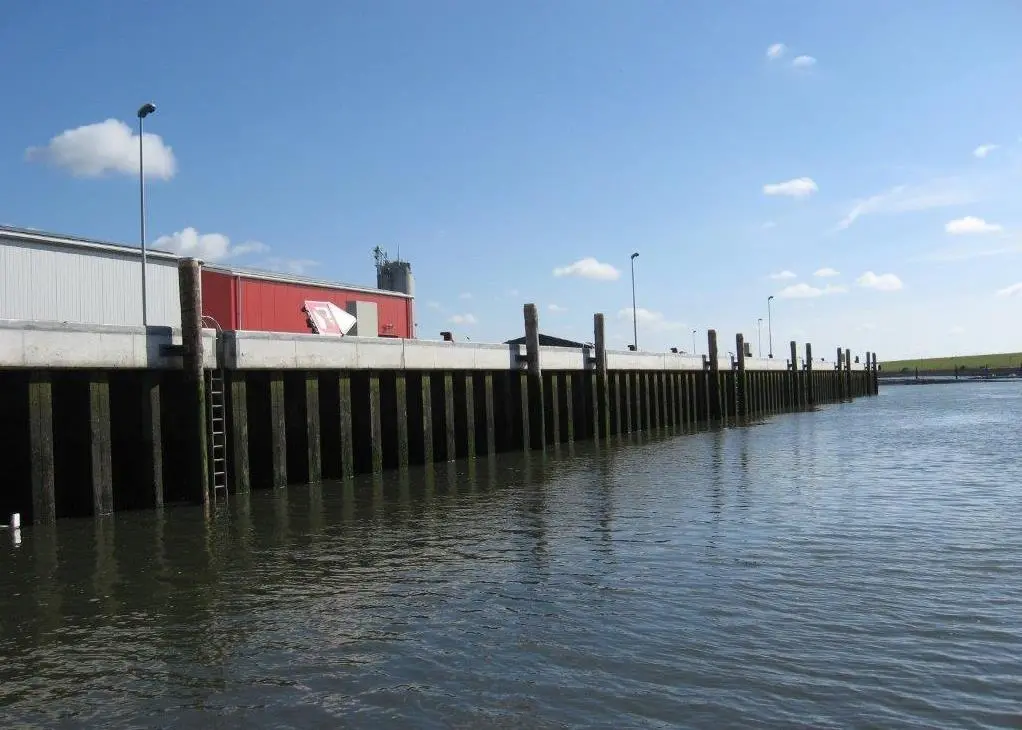
The new facility, with eight berths, has cost €2.75m to build, half of which came from the European Fisheries Fund and half from the state of Schleswig-Holstein in Kiel. The state government approved the project because of the increasing importance of Buesum as a fisheries hub and the steady rise in German and Dutch fishing vessels using it.
The landing and handling of crab, mussels and other fish products in Buesum, the biggest fishing port on Germany’s west Schleswig-Holstein coast, has risen from 1,000 – 2,000 tonnes in the 1980s to 3,500 tonnes now and is still rising, officials said.
The new 224m long quayside in Buesum’s Number 1V Harbour Basin was built between autumn 2011 and summer 2012 while dredging was carried out autumn to winter 2012. The contractor was HC Hagemann in Hamburg. The quay was equipped and transport facilities added this year prior to inauguration of the new facility in September by state Agriculture Minister Robert Habeck.
Each new berth in Buesum is about 25m long and capable of handling up to a maximum of 16 cutters when each of the eight berths is double utilised.
To create the new berths, the existing harbour bank was first cut back and 650 tonnes of steel pilings along with 80 anchoring stakes delivered and driven. Some 225m of reinforced concrete cross pieces and 30 tonnes of reinforced concrete were laid behind them to create the new quay wall. About 2,200m2 of asphalt surfacing was laid on the newly created pier and bollards, ladders and buffer pilings installed. A floating cutting head dredger was used to excavate some 60,000m2 of harbour basin and create 5.5m of water depth along the quayside.
The Buesum facility was planned and designed by the LKN in Husum, the Schleswig-Holstein government agency which is responsible for coastal and maritime protection in the region. Holger Bobke at the LKN told Maritime Journal the new berths were already in regular use by cutters.
The LKN’s broad duties include flood control and the management of rivers as well as the construction, operation, administration and maintenance of state owned ports. It is also in charge of hydrological measurement and monitoring services and the centralized surveillance and early warning systems for coastal protection and water management.
Employing 700 people, it says: “We safeguard the life and property of the people living in the coastal regions affected by the North Sea and the Baltic and we protect the natural dynamics of the Wadden See, the shallow coastal tidal flats and wetlands.”
By Tom Todd
Related Articles
 FEATURES & VIDEOS
 MARINE CIVILS
 OTHER NEWS