![MaritimeJournal[Seawork]](https://www.maritimejournal.com/wp-content/uploads/2026/09/MaritimeJournalSeawork.svg)






Engineers concerned over flood defence funding
The impact of reduced public funding for flood defences in the UK will demand a more innovative approach to managing flood risk according to the nation’s Institution of Civil Engineers (ICE).
The recent comprehensive spending review will see the Government’s Department for Environment, Food and Rural Affairs (DEFRA) reduce its resource spending by 29% and capital spending by 34%, with £2bn allocated to coastal and flood defences over the four year review period, 2011 to 2015. However this is less than the £2.15bn commitment made in the previous three year period, 2008-2011.
According to the Environment Agency, for every pound spent on flood defences, the country saves eight pounds in the future in terms of reduced damage. By this argument, and in the worst case scenario, a reduction of £150m in the budget over the next four years could cost the public circa £4.8bn in the future.
David Balmforth, who leads the Institution of Civil Engineers (ICE) work on flooding said it is one of the biggest challenges the UK faces. ‘While we welcome the Government’s recognition of the importance of maintaining the UK’s investment in flood risk management, we would have liked to see the level of funding more adequately reflect historical investment and address the implementation of the Floods and Water Management Act.
‘With public funding decreasing in real terms, delivering better value from our investment in managing flood risk will be crucial. Funding mechanisms and regulation must work to enable progress rather than hinder it, and improved collaboration between the many responsible bodies will be essential. The private sector will also need to play a bigger role in future and Government’s role will be vital in creating a stable environment to attract and facilitate this investment.’
Just as the Government’s decision to discontinue ETV provision was followed immediately by its newest £1.2bn submarine requiring rescued by an ETV, the decision to reduce flood defence spending was followed by mid-November flooding in Cornwall, prompting David Balmforth to say, ‘The situation in Cornwall is another reminder of how ill-prepared we are to deal with the increased risk of flooding in future. There is no time for complacency, climate change means flooding is set to become more frequent in the future. It is vital that even in these austere times we continue to invest in protecting and maintaining critical infrastructure to reduce the risk of system failure and ensure we are better protected against future crises.’
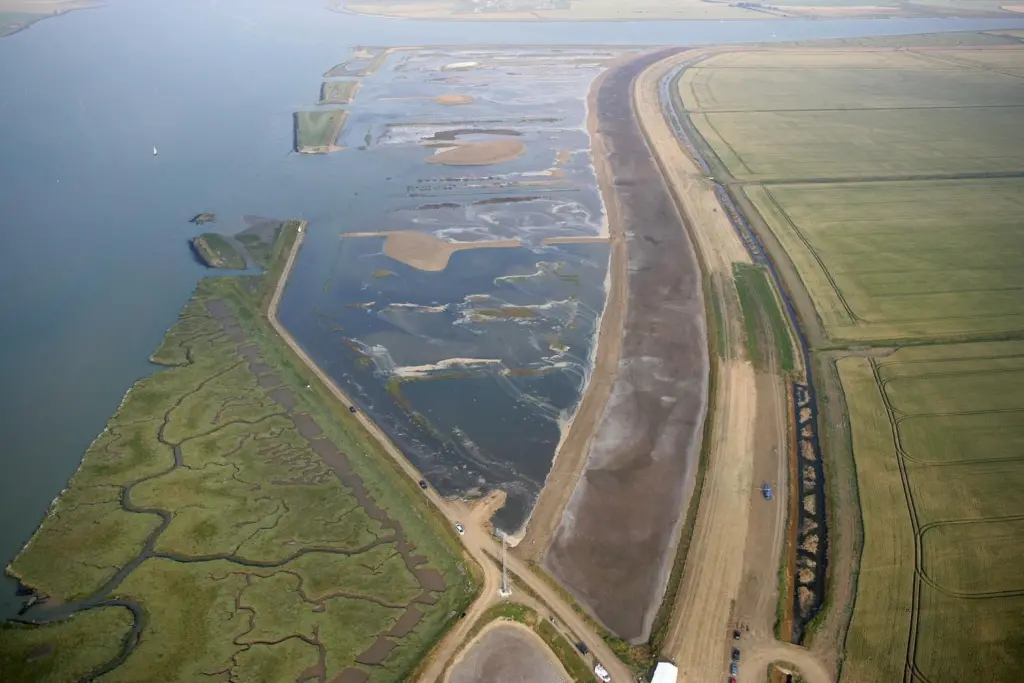
The ICE has previously said that to deal with the increased risk of rising sea levels and other effects of climate change in the future measures such as coastal realignment will need to be considered more widely. More radical solutions, such as building out into the water and building commercial functions into defences to make them financially viable, will also need to be looked into.
ICE’s report, Rising Sea Levels: Attack, Retreat, Defend, laid out possible scenarios of how these alternative options could work in the UK earlier this year. It can be downloaded at: http://www.ice.org.uk/Information-resources/Document-Library/Facing-up-to-rising-sea-levels
Related Articles
 FEATURES & VIDEOS
 MARINE CIVILS
 OTHER NEWS