![MaritimeJournal[Seawork]](https://www.maritimejournal.com/wp-content/uploads/2026/09/MaritimeJournalSeawork.svg)


European Ports Could Become Bottlenecks of World Trade
The 24th Bi-annual Conference of the International Association of Ports and Harbours (IAPH), which took place in Shanghai 21-27 May, marking the 50th anniversary of the organisation, concluded with a stark warning for European ports.
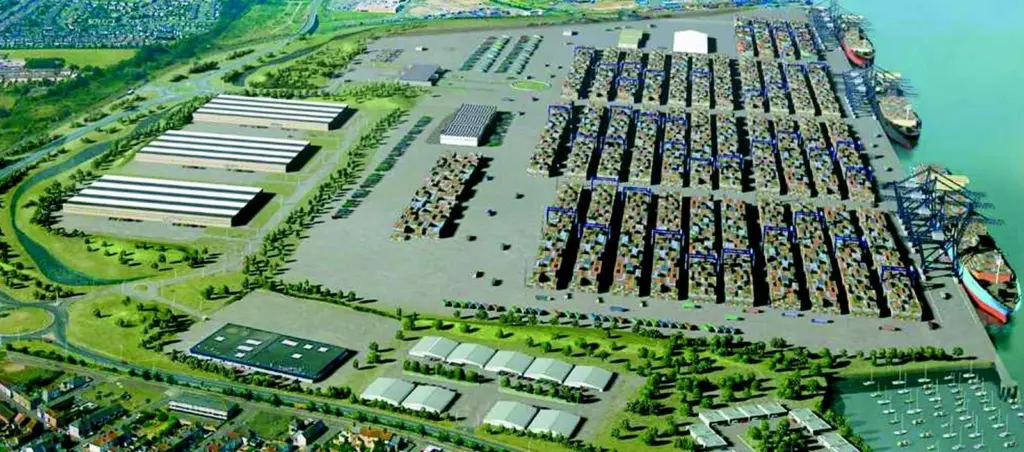
Several speakers at the conference highlighted the increasing problem of port congestion, particularly in Europe, and Tommy Thomson, CEO of container business at A P Moller-Maersk, particularly highlighted the fact that European – and North American – ports are having ‘substantial problems’ coping with Asian exports.
‘Ports at the receiving end can barely manage today’s demand, let alone be able to cope with future demand’, said Thomson.
‘Ports must therefore expand within the next five years or they will become substantial bottlenecks.’
Mr Thomsen pointed at the need to have more and larger port facilities, including green-field developments, as well as adequate intermodal infrastructure.
‘A quantum leap is necessary in order not to slow down trade growth’, added Mr Thomson, whose concerns were echoed by Wei Jiafu, President and CEO of COSCO Group, as well as the International Chamber of Commerce (ICC) which presented a policy statement at the conference demanding more investment in port and freight transportation infrastructure.
During the working session on environment and dredging projects, speakers also highlighted the lengthy and complicated environmental procedures involved in getting approval for port projects which often delayed decisions for 10 years and more.
‘European environmental rules and regulations were developed with a praiseworthy goal’, said European Seaports organisation (ESPO) Secretary General Patrick Verhoeven, ‘but their application in practice is leading to unacceptable delays and legal uncertainty.’
However, European port authorities united in ESPO are determined to bring this problem to the EU political agenda. ‘This will not be a popular theme with politicians’, added Mr Verhoeven, ‘but we must have an open debate about it now before Europe become the bottleneck of world trade.’

Related Articles
 OTHER NEWS
 OTHER NEWS
 FEATURES & VIDEOS