![MaritimeJournal[Seawork]](https://www.maritimejournal.com/wp-content/uploads/2026/09/MaritimeJournalSeawork.svg)


Firm foundations for Bristol
The Bristol Port Company has started the site investigation for the £600m deep sea container terminal in Avonmouth.
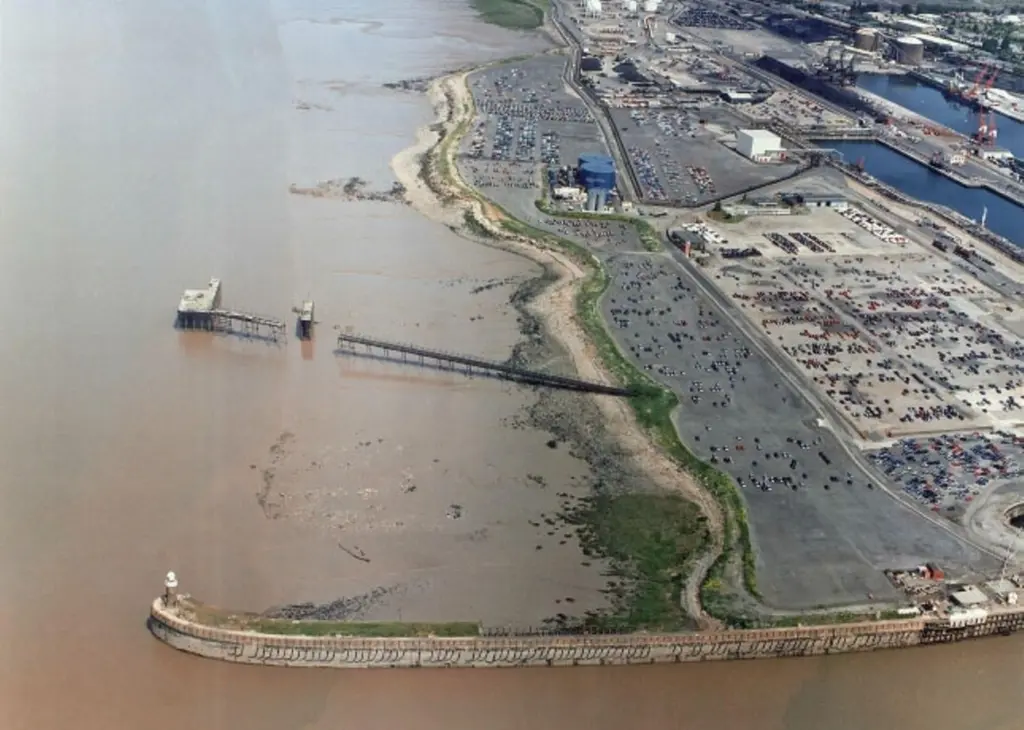
The jack-up barge Aran 120A started sinking boreholes and taking samples of the seabed, in one of the most technically demanding civil engineering projects in the UK maritime sector.
The information from the samples will add to the port’s existing records and give further certainty about the foundation for the quay wall and the material that will be dredged. This additional knowledge is needed as the approaches to the terminal will be deep dredged to allow the world’s largest existing and projected container vessels to dock at virtually any state of the tide. At 18m, the berths will allow continuous occupation and cargo operation.
Simon Bird, chief executive of The Bristol Port Company said, ‘This project is literally built on firm foundations, the physical rock that we are investigating today and our knowledge of the area as well as being the optimal UK location for a high technology deep water container port.
‘Government research shows there is going to be a significant demand for new container capacity but it makes no sense to put this in the already congested South East. Bristol is closer to more inland container destinations than any other deep water port and, with direct rail and motorway access right at the port, we will give shipping lines and end customers significant CO2 and cost savings.’
Bristol Port recently appointed a consortium called Construct Bristol Terminal (CBT) under an early contractor involvement professional services contract to undertake the site investigation work. The companies involved in the consortium are Costain, BAM Nuttall, Westminster Dredging and Van Oord.
The Harbour Revision Order, granted in March 2010, gave Bristol Port permission to build a deep sea container terminal able to handle up to 1.5m TEU per annum following the UK government’s identification of a massive gap in port container capacity. By 2030 it is projected that the UK will need to be able to handle 20m TEU each year but currently the UK only has capacity for around 7.5m boxes a year.
There will be a habitat creation scheme to balance the environmental impact of the work. ABP Marine Environmental Research Ltd (ABPmer) has been commissioned by the Bristol Port Company to lead a team in the design and delivery of this scheme, which will be located on the Steart Peninsula
Related Articles
 FEATURES & VIDEOS
 MARINE CIVILS
 OTHER NEWS