![MaritimeJournal[Seawork]](https://www.maritimejournal.com/wp-content/uploads/2026/09/MaritimeJournalSeawork.svg)






Flood protection work to start at Easton Broad
The UK’s Environment Agency has announced work is set to begin building an earth embankment to provide vital flood protection from the sea at Easton Broad, south of Lowestoft in Suffolk.
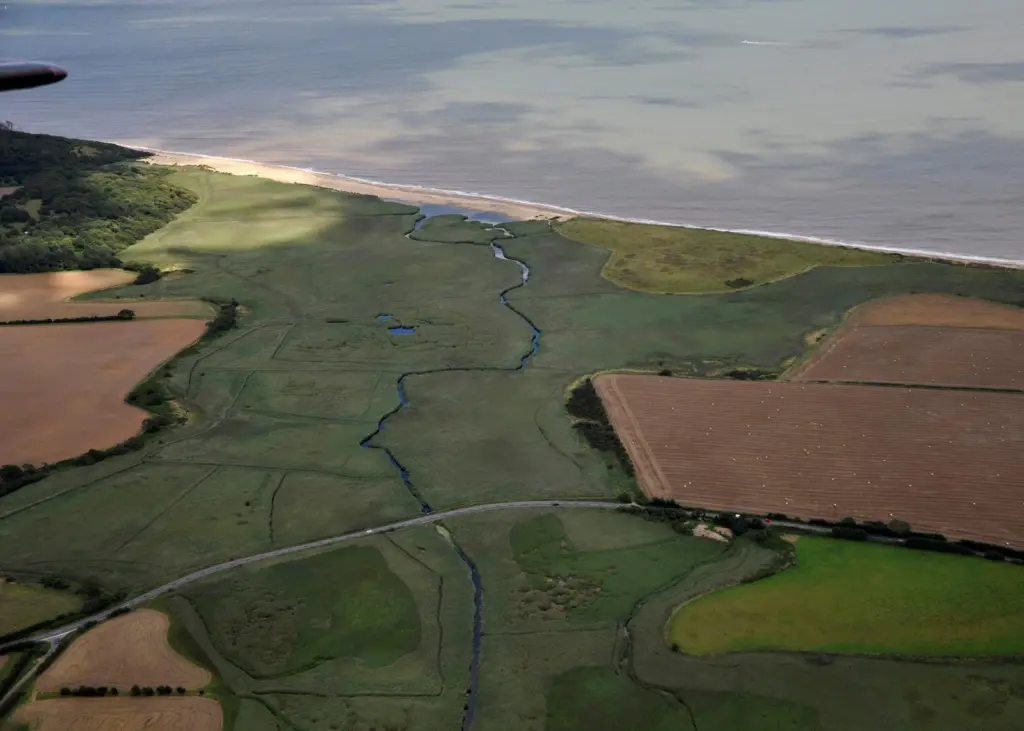
Coastal erosion is a feature the residents of low lying areas of the east coast of England have had to live with for generations, learning to manage the inexorable progress inland of the sea over time, including coping with rising sea levels. It is very much about managing and living with, rather than conquering the forces of nature.
The work at Easton Broad emphasises the fact that the effects of coastal erosion have implications on coastal wildlife habitats that are by their very nature dynamic environments, particularly surrounding the transition between saltwater and freshwater environments. The intertidal area is increasingly being squeezed between rising sea levels and high tide lines influenced by artificial defences and land adapted for development. This ‘coastal squeeze’ is now seen as the single greatest threat to coastal habitats where, for example in the south east, it is estimated that 20% of saltmarshes were lost through coastal squeeze between 1973 and 1978.
A variety of measures are adopted with managing nature’s natural processes, including influencing the degree of saltwater incursion, and the Easton Broad scheme illustrates how such measures can extend inland and away from the coast itself.
The aim is to protect as much of the Easton Valley freshwater reed bed as possible from deterioration resulting from the ingress of seawater. The Environment Agency has a duty under the EC Habitats Directive to take steps to prevent deterioration of Special Protection Areas (SPAs) and Special Areas of Conservation (SACs) and the location is within a highly sensitive environment covered by a number of national and European designations.
The work will be carried out in stages over several years, with a 400m long, 2.5m high bank built across the existing reed bed. The new bank will act as a barrier, reducing the risk of tidal flooding to a nearby road, also protecting the freshwater reed bed upstream of the road during high tidal surges. Initially a trial part of the embankment will be built across the reed bed south of the river. Following this the embankment’s foundation will be monitored, work continuing with construction of the embankment over the next few years. A phased approach is being taken to allow time for the soft ground to adjust to the new embankment.
East Broad itself comprises a sand and gravel frontage at the sea, shaped by the tide into a ridge with an open area of brackish and saline water behind. The Easton River flows through the reed bed, passing under the sand and gravel ridge by a pipe to the open sea.
Related Articles
 FEATURES & VIDEOS
 MARINE CIVILS
 OTHER NEWS