![MaritimeJournal[Seawork]](https://www.maritimejournal.com/wp-content/uploads/2026/09/MaritimeJournalSeawork.svg)





The Tide Turns Against Marine Corrosion
Corrosion is probably the single most serious cause of deterioration of reinforced concrete structures and is particularly prevalent in buildings and structures subjected to salts from the sea.
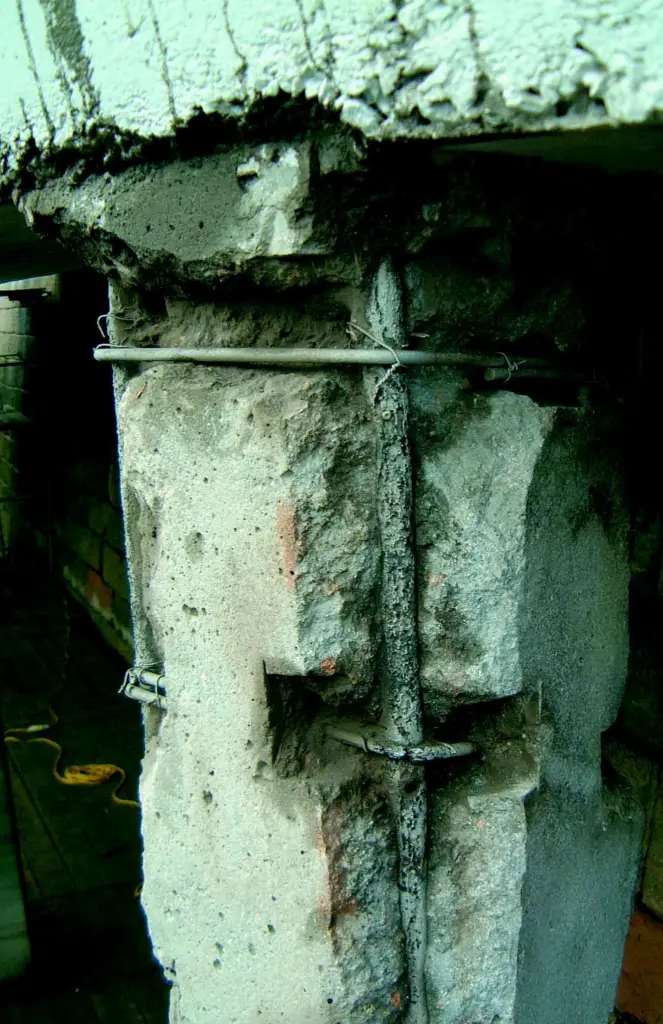
Structures such as piers and jetties are attacked by high concentrations of chloride borne by air, wind and sea ferries bringing visitors from Britain and France. A survey carried out by engineers Arup on behalf of Jersey Harbours revealed that the underside of this 1960s structure was suffering heavily from corrosion. Given that the jetty is a critical structure and in constant use, it was vital that the concrete was not allowed to deteriorate any further and that repairs could be carried out swiftly.
Further structural analysis was carried out to establish the type of reinforcement and consistency of concrete which would provide the most effective remedy.
Arup opted to use Galvashield Lifejacket (LJ) from Fosroc, which was installed by specialist contractors Hydrojet. The all in one repair system is based on the installation of a two piece fibreglass jacket lined with expanded zinc mesh. Before the Galvashield LJ is installed, all areas of spalled and delaminated concrete are broken out. The galvashield LJ is then fixed in position and a special grout is used to fill the annulus between the jacket and the pile and all the breakout voids. Concrete repair and galvanic cathodic protection are thus carried out in one operation. The system is self-powered and regulates its current output according to the corrosion rate of the steel and its operating environment. Nine units were installed around the concrete piles, including inclined columns on the structure.
The Galvashield LJ protection system was originally developed in the Florida Keys to protect the extensive road bridges linking the islands and is now used on coastal structures worldwide.
Studies carried out by the Florida Department of Transportation indicate that the anodes can have a life in excess of 40 years.
MJ Information No: 19522

Related Articles
 OTHER NEWS
 OTHER NEWS
 FEATURES & VIDEOS