![MaritimeJournal[Seawork]](https://www.maritimejournal.com/wp-content/uploads/2026/09/MaritimeJournalSeawork.svg)





A sound investment
New figures from engine builders Caterpillar demonstrate that spending more on genuine engine parts can save vessel operators money in the long term. Peter Anscombe, Parts and Logistics Manager from Finning UK, the UK’s sole distributor of Cat engines, makes the case for using original manufacturers’ spares in place of cheaper, third-party replacement parts.
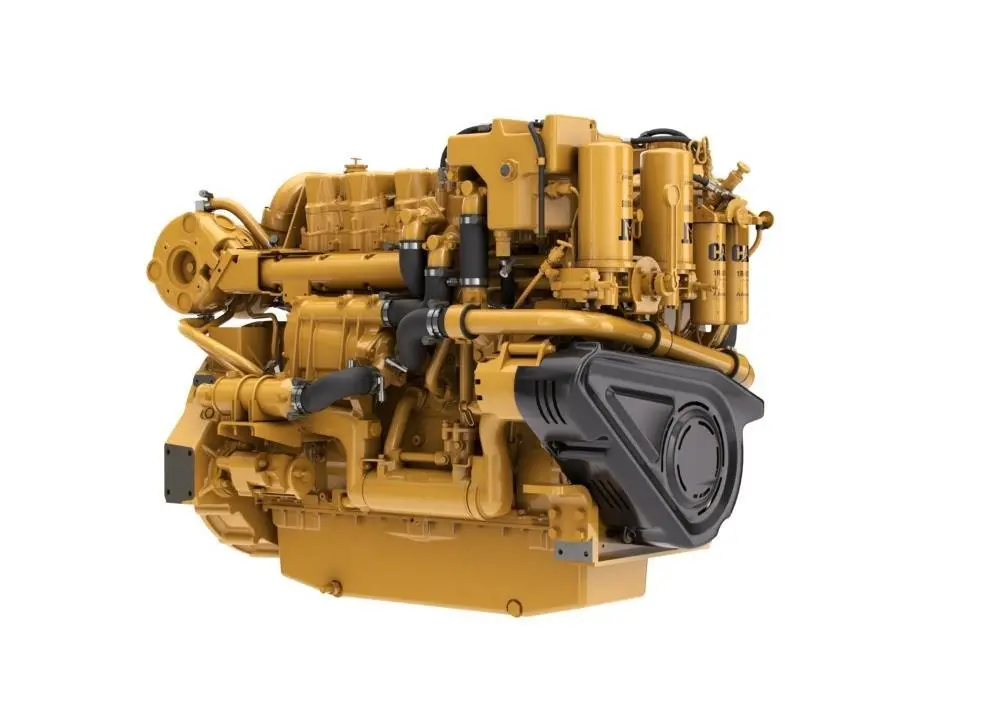
Today’s marine engines are engineered to deliver the highest performance in terms of fuel efficiency and lifetime reliability. Modern combustion technology for example, demands a specific grade of fuel filter that can reject particles down to just two microns in order to protect the life of the injectors.
The recent study by Cat showed that fitting the correctly specified filter could increase injector life by over 45 per cent. So while spending less on a third-party replacement filter will inevitably have a short term cost benefit, it can place all the injectors at risk. Taking a typical 16-cylinder engine this represents components worth in excess of £30,000.
Engine coolant is another area to consider. Modern anti-freeze composition is purpose-designed for the engine, yet it is common to see incorrect coolants being used, which can cause cylinder liner cavitation or pitting.
Operators can now choose extended life coolants. Cat’s ELC option, for example claims to reduce coolant and additive costs by as much as 500%.
Finally the use of a fluid analysis service, to monitor the lubricants and other fluids in the engine can lower operating costs. Through the use of genuine oils and ongoing condition monitoring, operators can extend oil drain intervals, with savings in excess of 15 per cent on oil costs achievable.
Short term cost savings may impact positively on the bottom line, but protecting the long term performance of an engine investment, which will typically exceed many thousands of pounds, by spending wisely on the right components, will ultimately pay dividends.
By Jake Frith