![MaritimeJournal[Seawork]](https://www.maritimejournal.com/wp-content/uploads/2026/09/MaritimeJournalSeawork.svg)





Less is more Phi-Drive is economical too
A new drive which utilises permanent magnets to give a higher power density with less weight and a smaller footprint, takes a lot of the complexity out of the drive train and gains efficiency as a result.
“The drive itself is simple by design”, says Geir Larsen, InPower’s MD. He explained that most larger drives are diesel electric systems where diesel generators provide electricity which is put through frequency converter, electrical motor, then gearbox and shaft before it reaches the prop. The Phi-Drive, on the other hand, misses out the hefty and expensive frequency converter and gearbox stages, going straight to the electrical motor and skipping on to the propeller.
There are interesting challenges that have been overcome, such a gaining enough torque to start the electrical shaft directly from zero rpm, and torsional vibration factors.
But the biggest problem is attitude. “Although it is good, tested out technology, you always get the problem of who will take final responsibility for the first builds”, said Mr Larsen.
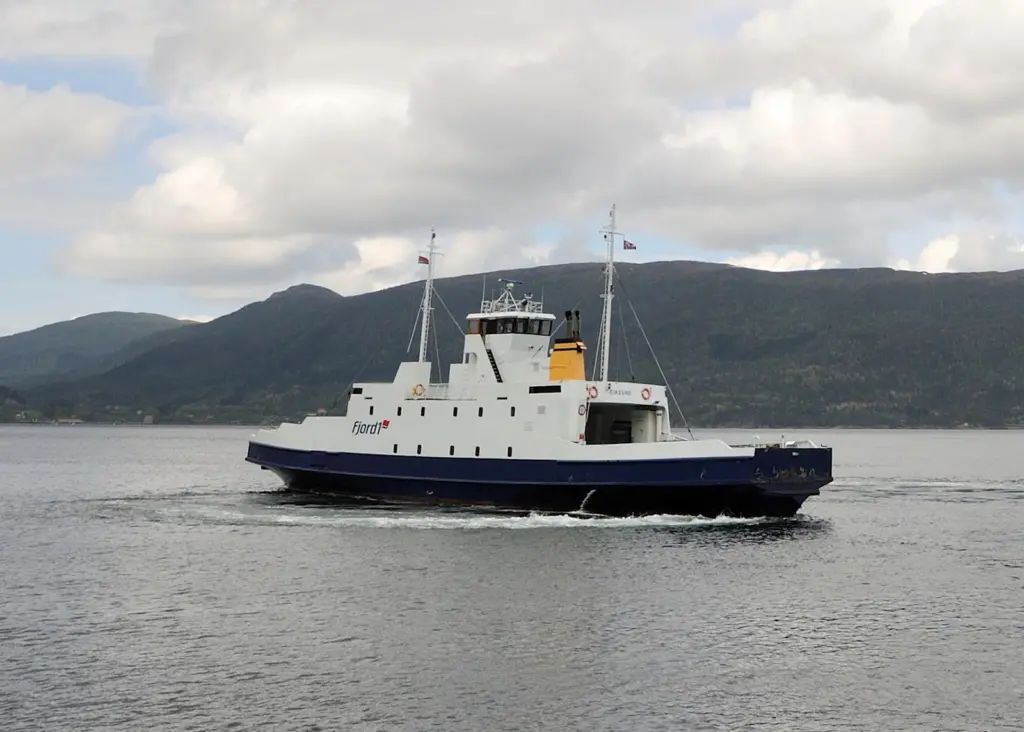
The Phi-Drive and Rim Driven Thruster technology have been retrofitted on the Fjord1 ferry, Eiksund, to great effect. Both together gave this old, 1970 vessel a saving of 30% in fuel consumption, quite an achievement as the old drive installation was a double-ended direct shaft drive with no gearing. The Eiksund is now carrying out ferry duties in the north of Norway, where its extremely quiet operation is another benefit.
Despite all this, the market remained sceptical, so InPower took the step of validating its conclusions on comparative fuel efficiency through third party processes. Kongsberg, Scania, SINTEF and OSC were all involved in this ‘paper evaluation’ phase, which looked at fuel savings of around 40% for an offshore supply vessel.
The efficiency runs throughout the whole RPM range, including station keeping, but it is especially notable in a high speed, high fuel consumption phase. Mr Larsen added that there will be significant savings. “One shipowner said he used 80% of his fuel simply getting to the site”, concluded Mr Larsen, which adds up to a good case for the Phi-Drive.