![MaritimeJournal[Seawork]](https://www.maritimejournal.com/wp-content/uploads/2026/09/MaritimeJournalSeawork.svg)




Short sea batteries
Saft, which describes itself as ‘the world’s leading designer and manufacturer of advanced technology batteries for industry’, has won a contract to supply Li-ion battery systems to Imtech Marine, for a Scottish hybrid ferry.
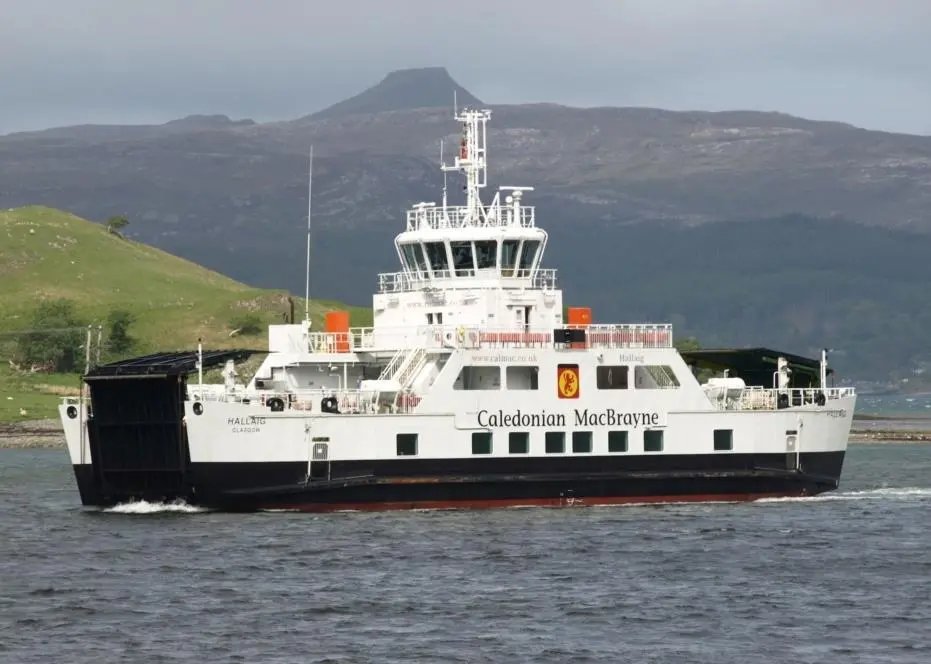
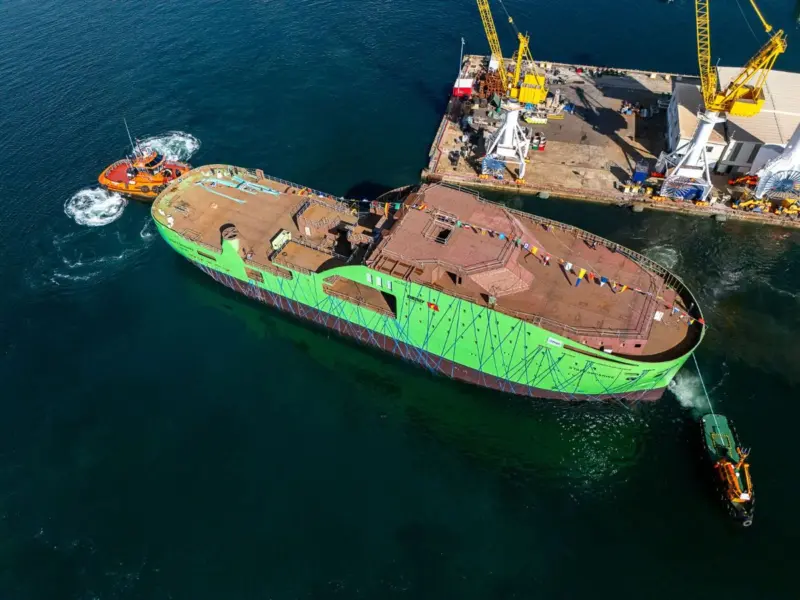
Two ‘Saft Seanergy’ systems will be at the heart of the diesel-electric hybrid propulsion system and energy management system for Hybrid III, the Roll On Roll Off (RORO) passenger and vehicle ferry designed for use on Scotland’s short sea crossing routes around the Clyde and Hebrides.
Saft is a designer and manufacturer of advanced technology batteries for industry. The Group describes itself as the world’s leading manufacturer of nickel batteries and primary lithium batteries for the industrial infrastructure and processes, transportation, civil and military electronics markets.
The new vessel, currently under construction by Ferguson Marine Engineering Ltd for CMAL (Caledonian Maritime Assets Ltd), will be Scotland’s third hybrid ferry when it enters service in autumn 2016, carrying up to 150 passengers and 23 cars or two HGVs. It is being funded by the Scottish Government to help meet the target set in its Climate Change Delivery Plan to reduce CO2 emissions in the transport sector by at least 20 percent by 2020. It will have a service speed of nine knots and because it uses both diesel and electric power, its fuel consumption will be significantly lower than a conventional ferry, leading to fuel and CO2 emissions that are at least one fifth lower than a conventional arrangement.
The project represents a significant development for Saft as it is the first contract with Imtech Marine, who specialise in supplying hybrid propulsion systems for all types of vessels.
The Seanergy modules are based on Saft’s Li-ion Super Phosphate (SLFP) cell chemistry, which the company says offers the advantage of improved high energy capability and optimised total cost of ownership when compared with standard Li-ion phosphate technologies. In January 2015, marine industry independent safety assessor Bureau Veritas delivered the highest quality assessment for the Seanergy modules, establishing that the design conforms to recognised industry quality and certification standards.
The two Seanergy systems, which provide a total of 800 kWh of energy storage, can power the vessel in battery mode only and in hybrid mode in combination with a diesel generator. The batteries will be charged overnight from shore supply while the ferry is in port. When at sea, Imtech’s energy management system will balance the energy delivered by the diesel genset and battery systems to make propulsion as efficient and clean as possible, enabling the genset to run at peak efficiency.
By Jake Frith