![MaritimeJournal[Seawork]](https://www.maritimejournal.com/wp-content/uploads/2026/09/MaritimeJournalSeawork.svg)


The Dutch answer to expensive fuel
DSM Shipbrokers of Meppel in the Netherlands can now offer a new and extremely economic vessel, specifically developed for very flexible coastal sea/river trading and built by the Dutch Shipyard De Kaap in the Netherlands.
De Kaap is well known for the quality of other small coasters and tankers it has built previously.
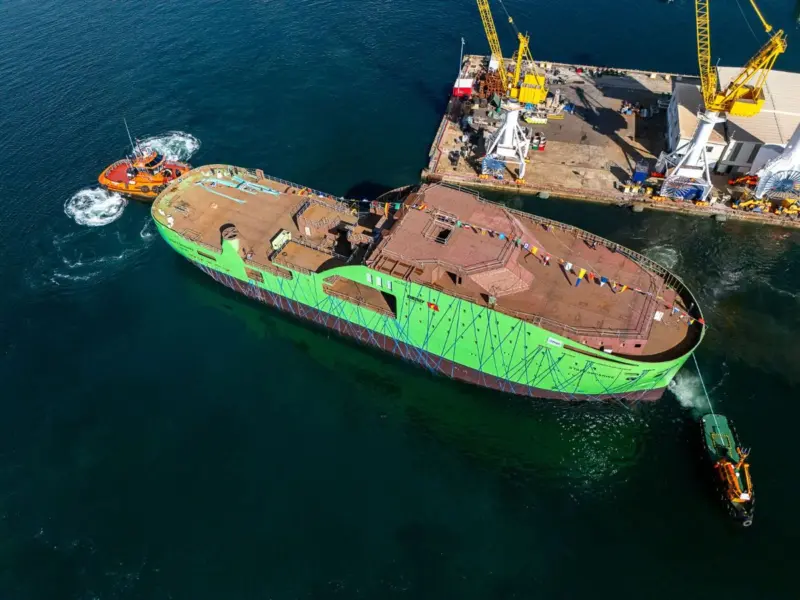
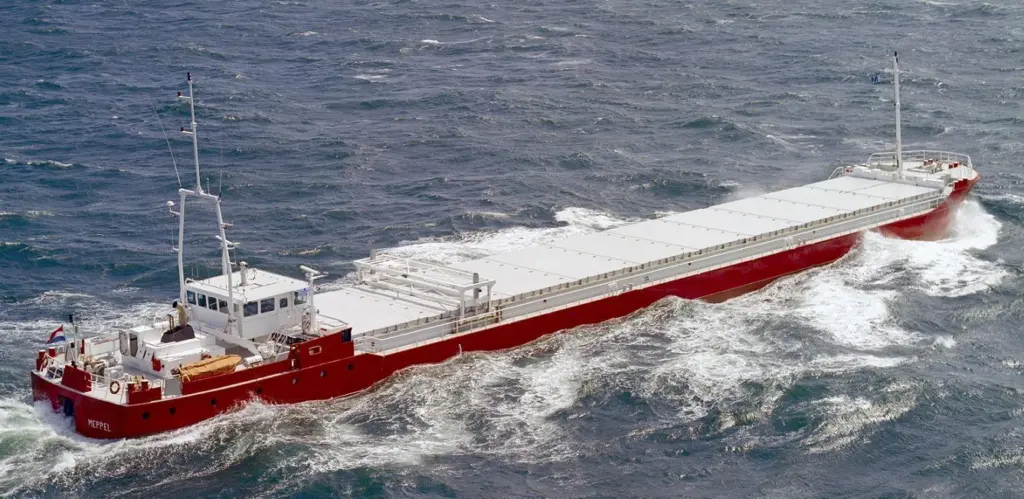
The Green Cape Trader, which is launched this month, is the first of a serial production of new ‘green concept’ coasters designed to deliver very economical fuel consumption.
The 88m LOA Green Cape Trader is a 2,300 dwt MPP coaster with a shallow draft and powered by two diesel-electric units placed in line in the vessel. Two Reintjes gearboxes drive newly developed propellers of a sophisticated design which push the vessel to a speed of 10 knots fully loaded. The dual propulsion system will also give the vessel outstanding manoeuvrability, an additional advantage in smaller ports. The vessel has excellent stowage flexibility for general cargoes such as steel, coils, timber, coal, grain and dangerous goods
Because the vessel is powered by relatively small diesel-electric units of only 750 kW, it consumes substantially less diesel than similar vessels with normal main engines. Whereas similar vessels may be consuming between 4,400 and 5,400 litres of diesel per 24 hours, the new Green Cape Trader will only need some 3,300 litres per 24 hours.
Condsidering today’s bunker prices, this can translate to a saving on diesel of about €100.,000 per year depending on the kind of trade in which the vessel operates. This particular figure is an average based on a vessel operating in the European coastal trade. Differences of up to 30% lower consumption and sometimes even more have been managed already. Lower consumption of diesel also reduces the vessel’s exhaust emissions.
Engine maintenance on board can also be sifnificantly reduced and engine rooms thus require need less equipment. Lubes consumption is also reduced and engine rooms can be kept cleaner and smaller.
The concept will be brought to life in this first 2,300 dwt general cargo vessel, ordered by Dutch operators. The launched vessel will be delivered next winter to its owners as a low draft sea/river coaster, able to trade at all European inland ports on the Albert-Canal, Rhone, Rhine etc.
The same basic vessel can also be delivered with a higher wheelhouse as a general coaster with a higher air draft. The yard has planned a serial construction, which means that such a vessel can be delivered at a very reasonable price within a short delivery time.