![MaritimeJournal[Seawork]](https://www.maritimejournal.com/wp-content/uploads/2026/09/MaritimeJournalSeawork.svg)




Engineering inspires Seawork award winner
Barend Plomp of Netherlands based Fender Innovations, winner of the Ship Design & Construction category at this year’s Seawork Spirit of Innovation Awards, told MJ that each set of fenders is engineered with a specific craft and use in mind.
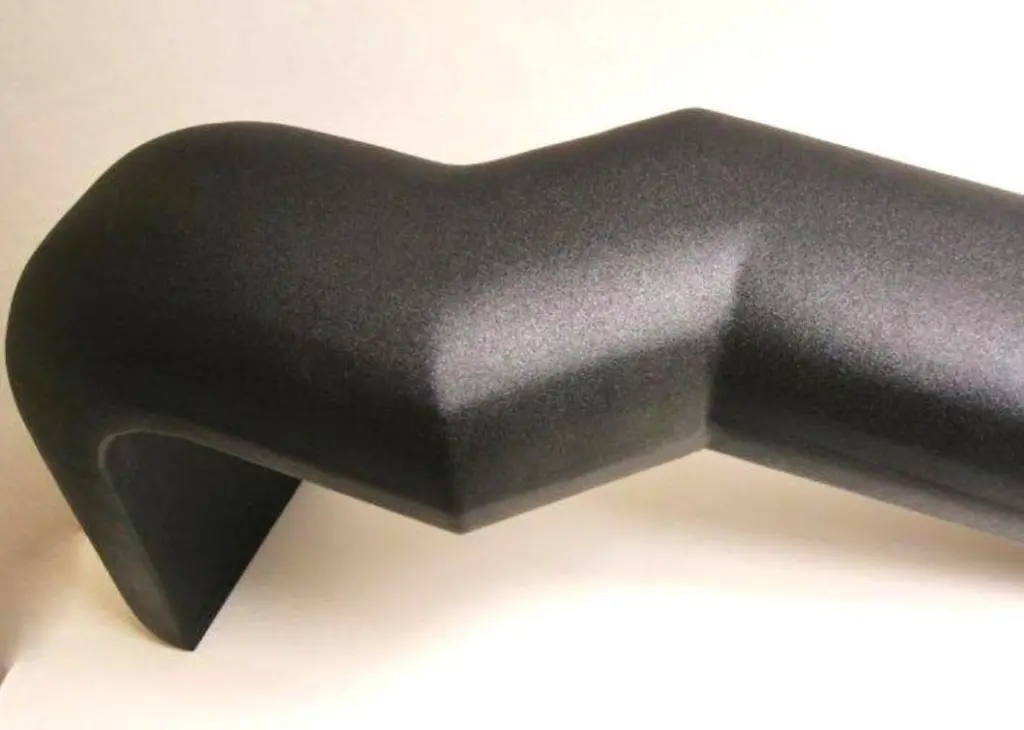
The company’s designs for newbuild craft or retrofits are based on a multi-layered set of foam cores, each with a different set of characteristics. These are fitted seamlessly around the boat, avoiding the vulnerable areas which can occur at end points or corner-turning pieces.
The foam, which can run from two or three to five or more layers depending on what’s needed, are put together in varied ways. For example, pilot boats, which traditionally suffer from heavy repeated impacts, may want an arrangement with a ‘harder’ top layer and something underneath that will spread the load as evenly as possible. Other boats may want to have a softer kind of fendering altogether, with a number of layers interpolating the forces. There are some applications that require something “a little different”. One craft had a bullet proof layer amongst its specifications, said Barend Plomp.
Despite the many and various sets of layering, the key thing, explained Mr Plomp, is to be as efficient as possible, keeping the fender’s effectiveness without adding a lot of extra weight. “It’s all a matter of engineering, he said, “you put material in where it’s necessary, take it out where its not.”
To this end there are also a number of different profiles that deal with these loads in different ways, and Fender Innovations has also developed a profile with a flatter top and angled underside. This is to stop vessels ‘hanging’ themselves, which can happen when the underside of the usual D-shape profile catches on a quay wall.
Related Articles
 SEAWORK
 SEAWORK NEWS
 SEAWORK