![MaritimeJournal[Seawork]](https://www.maritimejournal.com/wp-content/uploads/2026/09/MaritimeJournalSeawork.svg)






Subsea cables: A growing backbone in need of strengthening
In an era of rapid offshore wind expansion, increasing global connectivity and a spate of recent sabotage incidents, the reliability of subsea cables is under scrutiny.
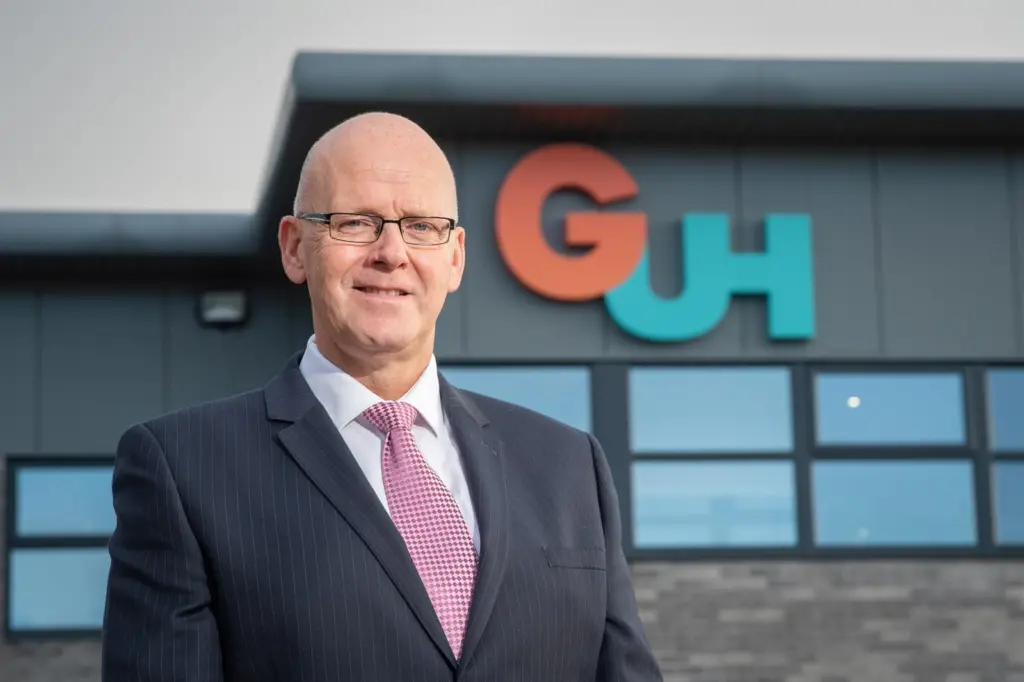
The Global Underwater Hub (GUH) represents a diverse ecosystem of companies with expertise in subsea cables, mooring and anchoring systems, underwater robotics and survey and inspection technologies – crucial elements to the successful delivery of offshore wind.
The GUH has reacted to the current state of affairs by launching a white paper (Tackling reliability and performance of subsea cable systems), which lays out a roadmap to address subsea cable reliability, insurability and the future of offshore infrastructure.
Speaking to Maritime Journal, CEO Neil Gordon talked about the benefits of building a robust and sustainable subsea network and a reliable supply chain.
Cabling: the backbone of energy and comms
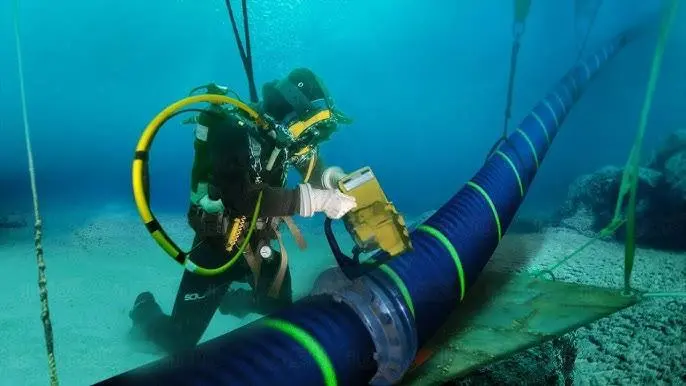
Subsea cables serve as the backbone of offshore wind farms, telecommunications and energy transmission.
However, issues such as unpredictable seabed conditions, material degradation and installation challenges have raised concerns about their long-term reliability.
The insurance industry has flagged these concerns, with some projects facing difficulties in securing coverage due to a history of cable failures.
GUH has stepped in to bring stakeholders together to create industry-wide standards and best practices that enhance the durability and performance of subsea cables, spearheading collaborative workshops and technical discussions, uniting government bodies, developers and the supply chain to analyse subsea cable risks.
It’s also vital, he says, to pull in the huge amount of data that is already out there and make it accessible. The objective is to establish a holistic approach that ensures reliability across the entire lifecycle of subsea cables – from design and manufacturing to installation, operation and maintenance.
The white paper suggests that the industry could shift towards standardisation, setting minimum quality benchmarks that will drive reliability and reduce financial risks.
It also underscores the need for ongoing monitoring and predictive maintenance, rather than the current approach, where cables are often left unchecked until a failure occurs.
With $800billion of investment in offshore wind farms globally anticipated by 2030 (a staggering 1,120GW) and a UK target of 50GW of installed capacity by 2030, there’s a mountain to climb.
Fixed-bottom wind won’t be able to do all of it, and as the industry moves towards floating offshore wind technology, new challenges arise.
Unlike fixed-bottom wind farms, floating wind installations require dynamic cables that can withstand extreme oceanic movements, which means existing cable technology must be refined and perfected before scaling up the infrastructure – or it will be pointless.
“We need to make sure we’ve ironed out – or at least identified – existing problems before we move into deeper waters with floating turbines,” he says.
“Unlike fixed offshore wind, floating offshore wind has few standards and no established supply chain. Starting with this ‘clean slate’ and leveraging the vast experience over five decades in offshore oil and gas, the UK has an opportunity to create a new generation of products and services that will unlock this emerging sector.”
Enhancing monitoring and maintenance to cut risk
One key element of the white paper’s strategy is improving cable monitoring and maintenance regimes.
Gordon emphasizes the importance of predictive maintenance through advanced monitoring systems that can detect stress points, potential overheating and structural weaknesses. Integrating fibre-optic sensors into subsea cables could provide real-time data on performance, allowing operators to take proactive measures before failures occur.
And this, in turn, would address one of the major roadblocks to offshore wind expansion – the insurability of subsea cables.
Historically, the lack of standardised design and operational guidelines has made insurers wary of covering cable-related risks. GUH’s initiative seeks to provide clear industry standards, making it easier for insurers to assess risks and for investors to confidently back offshore wind projects.
“If we look at how oil and gas pipelines are heavily regulated and monitored, there’s no reason why we shouldn’t apply similar principles to subsea cables,” Gordon says.
After all, the aerospace and maritime industries have long embraced stringent safety measures, and a similar shift is needed in the offshore wind sector.
Building a UK-based supply chain
The UK has a unique opportunity to lead the global subsea cable market, Gordon believes.
With growing domestic manufacturing capabilities and research institutions dedicated to underwater technologies, the country is well positioned to set international standards.
GUH is advocating for government investment in R&D and manufacturing, ensuring that the UK not only meets its own offshore energy targets but also becomes a key exporter of high-quality subsea cables.
Several UK-based companies have already begun expanding their cable production facilities and with the right industry support, these facilities could provide cables for domestic projects and international markets alike.
Looking ahead, GUH sees subsea cable technology playing a critical role in global energy security and offshore wind expansion.
By fostering collaboration between developers, insurers and regulators, the organisation hopes to establish long-term solutions that will benefit the industry as a whole.
“This is not an overnight fix,” Gordon says. “It will take years of industry-wide effort, but by working together, we can ensure a reliable, insurable and sustainable subsea cable network.”
With offshore wind capacity expected to grow exponentially to meet global net-zero targets, the time to act is now.
Related Articles
 OTHER NEWS
 MARINE CIVILS
 MARINE CIVILS