![MaritimeJournal[Seawork]](https://www.maritimejournal.com/wp-content/uploads/2026/09/MaritimeJournalSeawork.svg)




European tug owners face industry challenges
The European Tugowners Association (ETA) is predicting a year of opportunities for the industry but also challenges for a traditional business model under pressure.
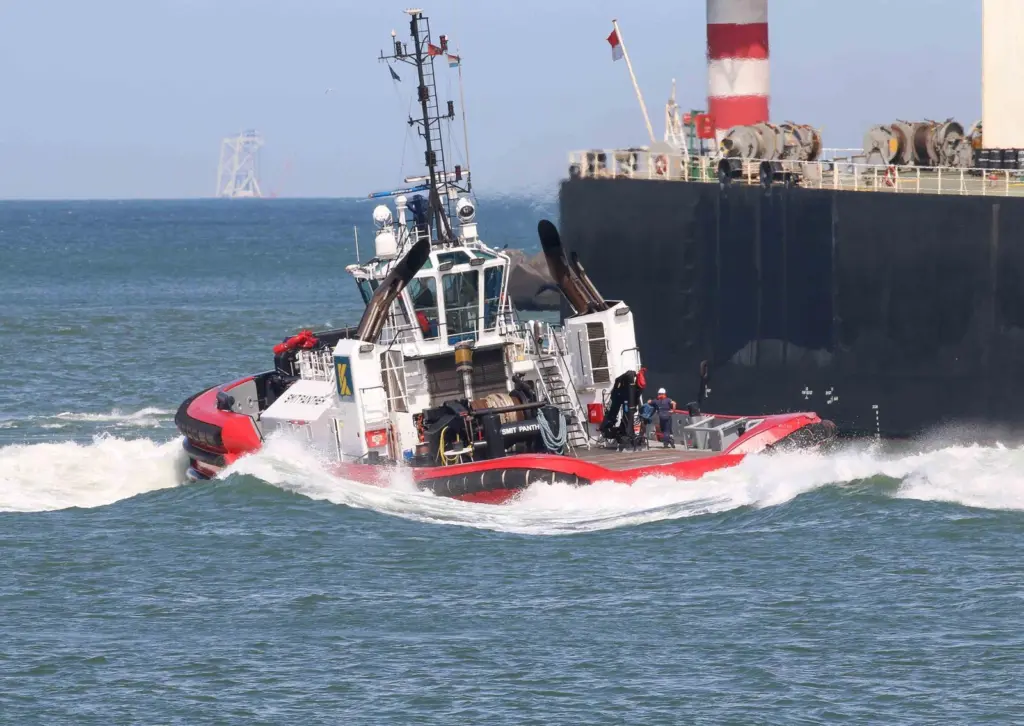
ETA chairman Leendert Muller has sent a positive message to its members predicting that 2019 will bring opportunities but also challenges. He states the industry is facing a business climate in which the traditional business model is under pressure citing trends in the global maritime industry, principally consolidation and a “relentless cost-focus” inevitably continuing to have an impact on the industry also.
On the financial aspects of the industry, Mr Muller states: “Many of us have been forced to drop their tariffs in order to remain active. As an industry we have to look internally to ensure we provide valuable services for a price that is competitive, but also warrants a healthy return on investment. This is also vital, as there are some aspects of our business that can never be compromised.”
The aspect referred to here is safety, a subject discussed extensively within the ETA and described as “the essence of our business” by Mr Muller who adds: “It is for this reason that it is up to us to ensure that we all provide the appropriate and adequate level of safety in our work, even when market conditions are tough.”
The importance of harmonisation of safety throughout the industry is illustrated in ETA’s mission to foster safety values ensuring its members commit and adhere to the proper levels of safety, the subject not being an issue to compete upon but rather to stay united over together to ensure that the business remains strong and valuable. ETA states it is there to continue to assist its members in ensuring that industry standards are kept up-to-date and upheld. It also says it will continue to work together with regulators and other key stakeholders such as ports to maintain a level playing field within the industry.
ETA was formed in 1963 in London but an increasing awareness of the EU’s growing potential influence through legislative initiatives affecting ports and port services led to the decision to take a more proactive stance as a European lobby group able to react quickly to concerns of common interest and the secretariat was transferred to Brussels in 2002.

Related Articles
 SPECIAL REPORTS
 TUGS & SALVAGE
 EQUIPMENT