![MaritimeJournal[Seawork]](https://www.maritimejournal.com/wp-content/uploads/2026/09/MaritimeJournalSeawork.svg)


‘Kea Trader’ wreck removal enters a new phase
Shanghai Salvage Company (SSC) is preparing to continue with the wreck removal operation of the ill-fated Kea Trader in the South Pacific.
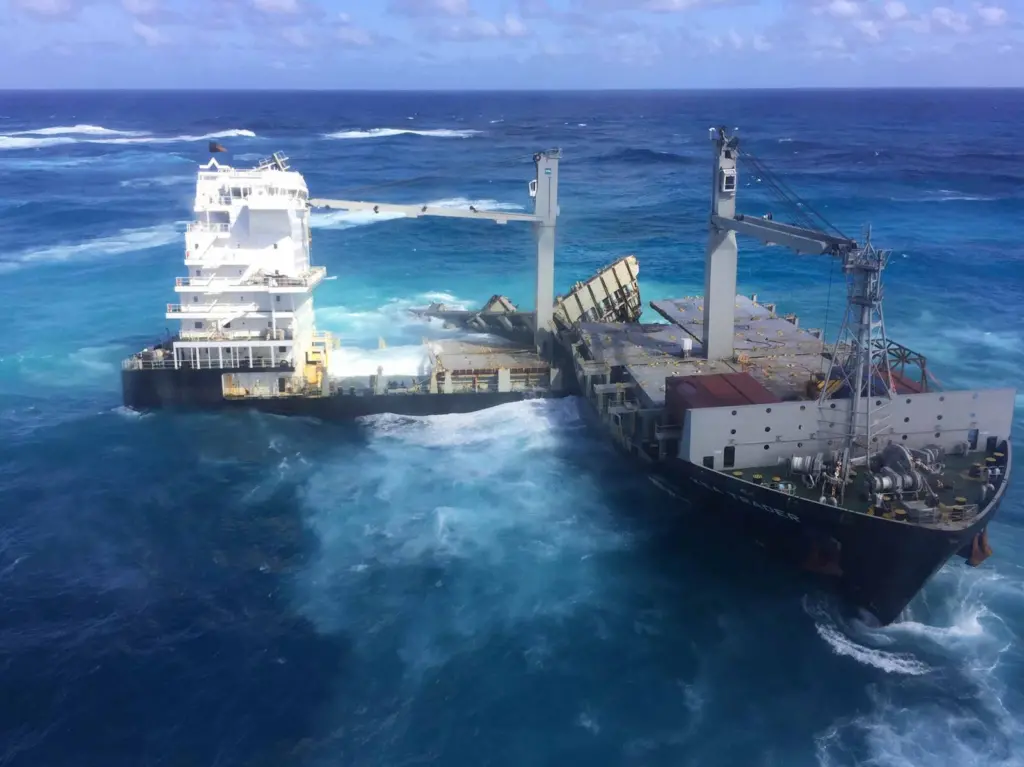
It is almost a year since the 2,194teu capacity container ship Kea Trader ran aground on Durand Reef in the South Pacific. The exposed location and impact of two heavy cyclones within a month resulted in extensive damage including the vessel breaking in two and being declared a total loss.
Salvage service provider Ardent provided initial assistance including pollution prevention work and now, following a four-month tender process SSC has been appointed for the next phase of work to remove the wreck.
Seagoing resources and personnel are being assembled in New Caledonia as part of a mobilisation of assets and SSC has begun a comprehensive handover of responsibilities from Ardent to ensure that environmental safeguards are maintained as work continues.
SSC’s structural experts have also carried out an assessment of Kea Trader’s status and as well as activity on the vessel itself, essential onshore work has continued. This includes the process of engaging with local businesses involved in the project to date with consideration given to them and others expressing an interest in providing third party future support. This included a ‘Supplier Engagement Day’ to facilitate discussions with representatives from SSC’s UK and China offices.
Norman McLennan, International General Manager for SSC said: “SSC intends to consider continued utilisation of local suppliers in New Caledonia, where appropriate for the new stage of the Kea Trader project – subject to their suitability and continued commercial viability.”
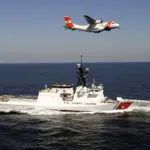
Operations at sea continue to be hampered by bad weather and damage caused by recent cyclones. Of 782 containers and flat-racks on the vessel at time of grounding 697 have been recovered. A number of boxes, believed to be empty were lost overboard during the cyclones and four offshore vessels are continuing their search of the area to recover any floating debris, an effort supported by aerial assets employed by the vessel owner and maritime authorities.
Back ashore, trained contractors have continued to collect any debris that washes up. While this has included a small number of tar balls, the vast majority of material has been metal container parts, carpet and polyurethane insulating material.
By Peter Barker

Related Articles
 SPECIAL REPORTS
 TUGS & SALVAGE
 EQUIPMENT