![MaritimeJournal[Seawork]](https://www.maritimejournal.com/wp-content/uploads/2026/09/MaritimeJournalSeawork.svg)



Towlines
The joint venture will be named ‘Svitzer Vietnam’ and provide towage services to container terminals, container lines and other shipping operators in the Ba Ria, Vung Tau and Cai Mep area.
Waker, the Dutch Coastguard tug seriously damaged by fire recently (MJ – October 2009) is to be scrapped. Waker was towed from it’s base at Den Helder to the breakers yard of Scheepssloperij Nederland at Gravendeel on 30 October. Owned by Svitzer, the vessel has been operated under contract to the Dutch Government since 1995. As yet no decision regarding a suitable replacement has been announced.
A new Stevns Icequeen was delivered to Danish tug owner and charterer Nordane Shipping in September by Irvine Shipbuilding at East Isle Shipyard, Georgetown, Canada. The new tug is identical to a previous vessel of the same name delivered in 2006 and sold one year later to Finnish tugowners Alfons Håkans. Stevns Icequeen is 30.8m in length and powered by two Caterpillar engines of type 3516B-HD for a bollard pull of 60 tons. Irving has three more tug under construction for Nordane. The next to be completed is another sister ship, the Stevns Iceflower, due for delivery in December.
Bargarth, the last remaining Voith tractor of its class, has been sold by Svitzer in the UK to Tuskar Shipping of Gibraltar for use in Ireland. The tug was one of four similar tractor tugs of 2,100bhp and 25 tons bollard pull built originally as the Laggan in 1979 by the now defunct shipyard of Scott & Sons at Bowling. Renamed Forth in 1987 and Bargarth in 2003, the tug spent the last years of its working life in ports of the Bristol Channel.
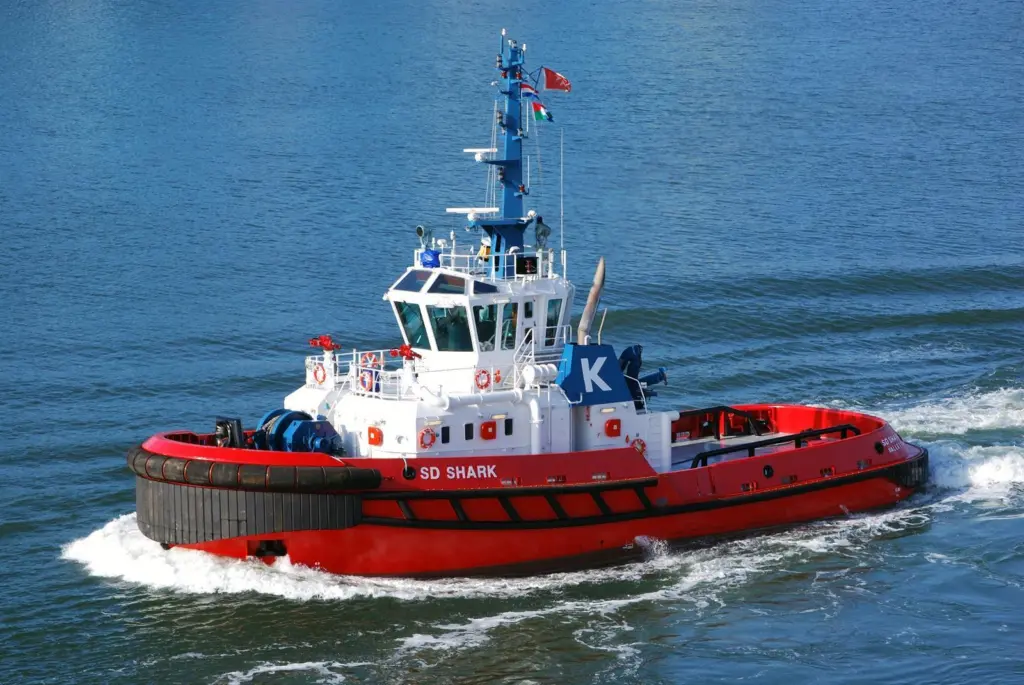
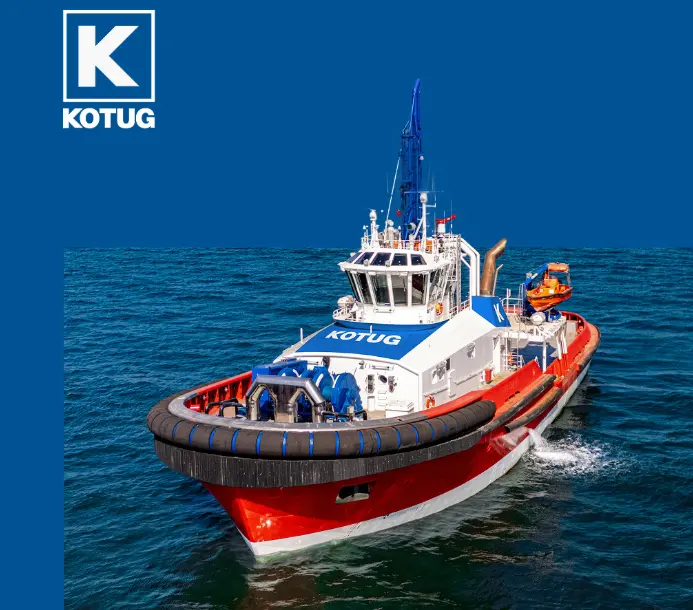
Dutch tugowners Kotug International BV have won a ‘Fuel Saving Competition’ (Binnenvaart Brandstof Co2mpetitie) sponsored by the Dutch Inland Shipping Industry. A group of four participants of the Kotug ‘SD Shark’ class succeeded in saving no less than 12% fuel during a six months period. This was achieved by creating fuel awareness with the captains, the use of fuel meters to show in real time the extra fuel usage when the tug accelerates, and better planning and communication during vessel operations. The fuel saving competition is part of a bigger plan to save energy by using tugs (and other ships) in a more efficient way.
Related Articles
 SPECIAL REPORTS
 TUGS & SALVAGE
 EQUIPMENT