![MaritimeJournal[Seawork]](https://www.maritimejournal.com/wp-content/uploads/2026/09/MaritimeJournalSeawork.svg)



TOWLINES
International Salvage Union legal adviser Rob Wallis has retired from the role he has held for the past eleven years.
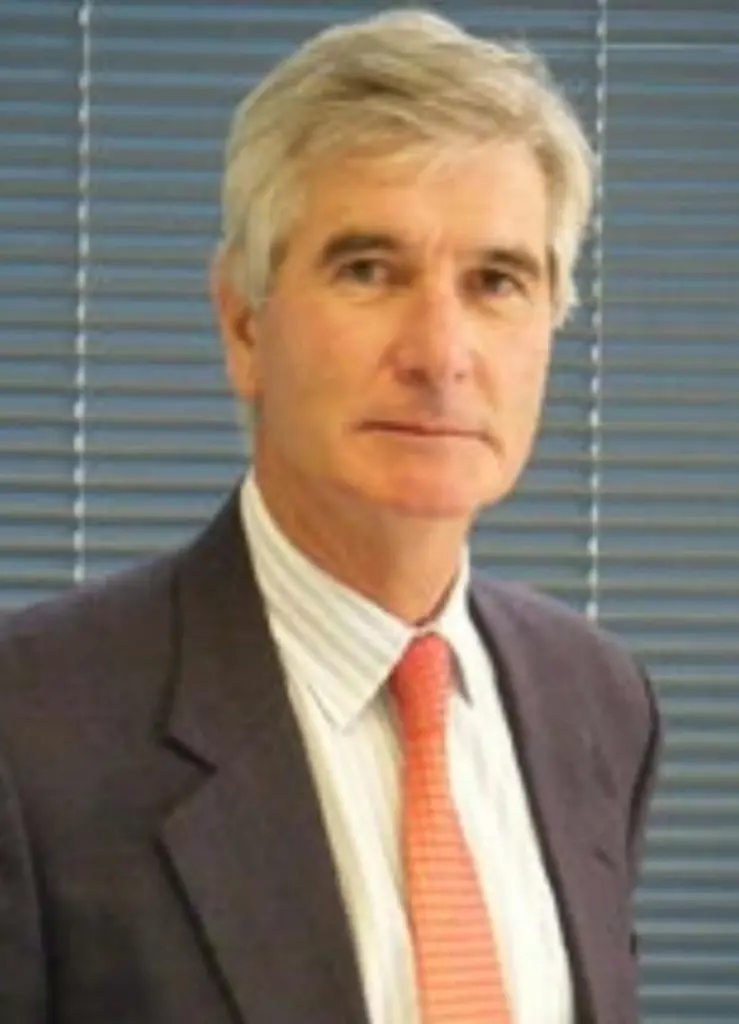
Rob’s long and successful career in maritime law dates back to the 1970s and his time with ISU has taken him around the world attending dozens of Lloyd’s Salvage Group meetings, SCR seminars and numerous ISU executive committee and sub-committee meetings. He contributed to SCOPIC revisions, new Lloyd’s Open Forms and many other industry contracts and updates. He is succeeded by Richard Gunn, master mariner and partner at Reed Smith LLC.
Crowley Shipping and Shell Trading (US) have agreed an arrangement whereby the former’s escort tug Veteran will be supplied with low carbon biofuel.
The 6,800hp, San Francisco-based tug joins Crowley’s articulated tug barge Vision/650 which has run on biofuel since 2019 operating on the US and Canadian west coast and part of Crowley’s commitment to sustainable operations. The biofuel supplies main engines and generators on both Veteran and ATB barge and has a lower carbon intensity than conventional fuel resulting in reductions in greenhouse gas and air emissions including carbon dioxide and sulphur oxide.
Svitzer Americas has moved its regional headquarters from Miami to Panama City in what it describes as ‘part of the company’s ambition to move even closer to its customers and operations, and further strengthen its position in the region.’
The new location is also home to other Maersk Group companies and is seen as an important maritime hub with significant growth potential for general harbour and terminal towage. Svitzer also sees opportunities in recruiting local maritime staff stating: ‘Panama in general has a large and very skilled and experienced workforce because of its position as a central hub for the maritime industry in the region.’
Construction has now commenced on what will be the world’s first battery electric shallow draught pushboats for operation on the Amazon river system.
The Robert Allan RApide 2000-E designs are being built at Belov Engenharia Shipyard in Salvador, Brazil for Hidrovias do Brasil and have a DC grid diesel-battery electric propulsion system, two diesel generators, two 350kW L-drives and a large battery bank of 600kWh (initial installation) with the capability to scale up to 1,800kWh. The propulsion system is diesel-electric to improve efficiency when operating in lower power modes.
By Peter Barker

Related Articles
 SPECIAL REPORTS
 TUGS & SALVAGE
 EQUIPMENT