![MaritimeJournal[Seawork]](https://www.maritimejournal.com/wp-content/uploads/2026/09/MaritimeJournalSeawork.svg)




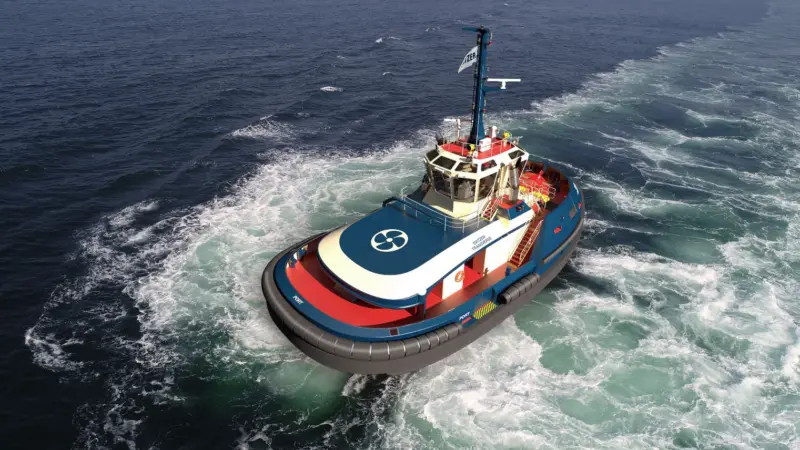
Encouraging low emissions workboat design
Workboat operators in the US need support in choosing new vessel designs if the industry is to meet emissions reduction targets.
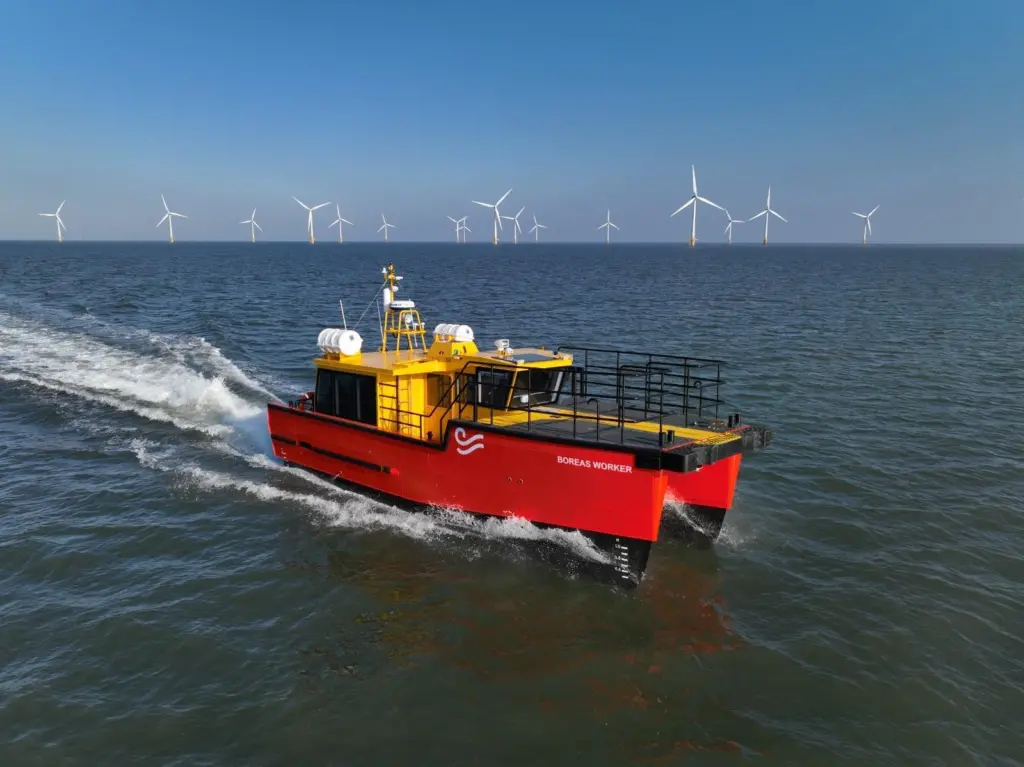
Chartwell Marine says that workboat operators are hesitant in adopting new powertrains, potentially missing opportunities to explore new developments and facing higher costs later down the line as they scramble to rapidly adapt to changing regulations.
Indeed, operating data from early adopters of low emission powertrains shows that there are considerable savings to be made in fuel and maintenance costs.
“The barriers to wider adoption that we collectively need to overcome in the workboat industry are demonstrating to vessel owners that new industry designs meet both future emissions legislations, and the exacting demands of workboat operations,” said Andy Page, managing director, Chartwell Marine.
To help overcome the current impasse in the wider adoption of low emission powertrains Chartwell proposes three actions the industry can take now:
Naval architects need to build collaborative relationships with powertrain manufacturers to give broad, multiple propulsion options to US workboat operators.
Workboat tenders from public authorities should recognise and reward low emission vessel designs.
The investment case must be proved to workboat operators with the cost savings of hybrid and electric powertrains made clear in the design stage.
“The investment case for a new workboat vessel has to be predicated on it being able to operate in the long term, so we need to support vessel owners with multiple powertrain options, encompassing low emission options, robust design, and competitive contracts that recognise low emissions innovation and adoption,” said Page.