![MaritimeJournal[Seawork]](https://www.maritimejournal.com/wp-content/uploads/2026/09/MaritimeJournalSeawork.svg)



Highs and lows of salvage in 2023
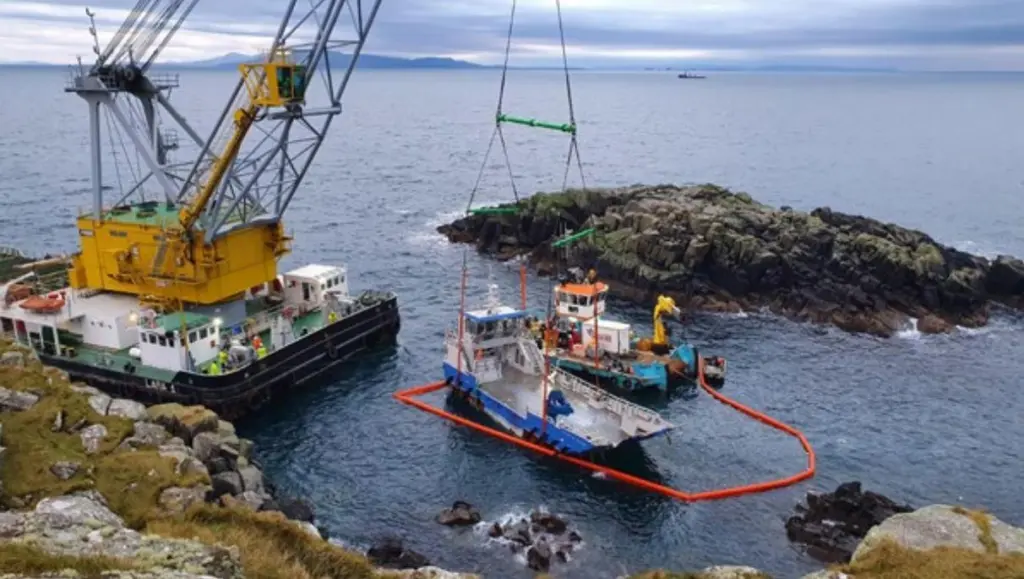
The International Salvage Union (ISU) has published its annual review for 2023, reporting increased revenues for members from a reduced number of Lloyd’s Open Form cases and revenues, and a significant increase in income from wreck removals.
The message from ISU President John A Witte Jr is clear: “We ask that when considering awards, owners and insurers celebrate the value preserved by ISU members’ services and do not focus on the cost.”
It is easy to record losses, be they pollutants spilled, cargoes lost and investments in the ships themselves written off. But it is also easy to forget the value of pollutants not released into the environment and ships that will continue providing profits for owners thanks to rapid and professional intervention when things go wrong, as they invariably will, regardless of continued improvements in shipping’s safety record.
The long view has to be taken when reviewing annual salvage industry figures where income is recorded in the year it is received, but it may be some time after services were provided, a factor that can cause cash flow issues and make planning and investment decisions harder.
Witte’s foreword refers to “dramatic cases” of roro and car carrier fires in 2023, expertly handled by ISU members which, when linked to the increased risk and danger of battery fires, shows “how vital these kind of services are and the importance of the availability of responders willing and able to provide the necessary services.”
Another area of concern is with future fuels for merchant ships, a dominant theme today where responding to a casualty with for example, ammonia, LNG or hydrogen as its fuel will present a great challenge to the salvor.
2023 statistics
ISU’s summary of the 2023 statistics describes a “modest recovery” compared with the historically low level of 2022.
Gross income for ISU members was US$398 million compared to US$241 million in 2022, although it has to be remembered that as income is gross all the salvors’ costs must come from the revenues reported.
While the number of services provided saw a modest increase from 149 in 2022 to 184 the following year, Lloyd’s Open Form (LOF) cases dropped to 16 in 2023 compared to 26 in 2022, with a consequential reduction in LOF income over the two year period from US$66 million to US$29 million in 2023, by some degree the smallest number of both cases and income in the past 30 years.
Revenues in 2023 from operations under contracts other than LOF was US$167 million, the average from each non-LOF contract being US$1.2 million.
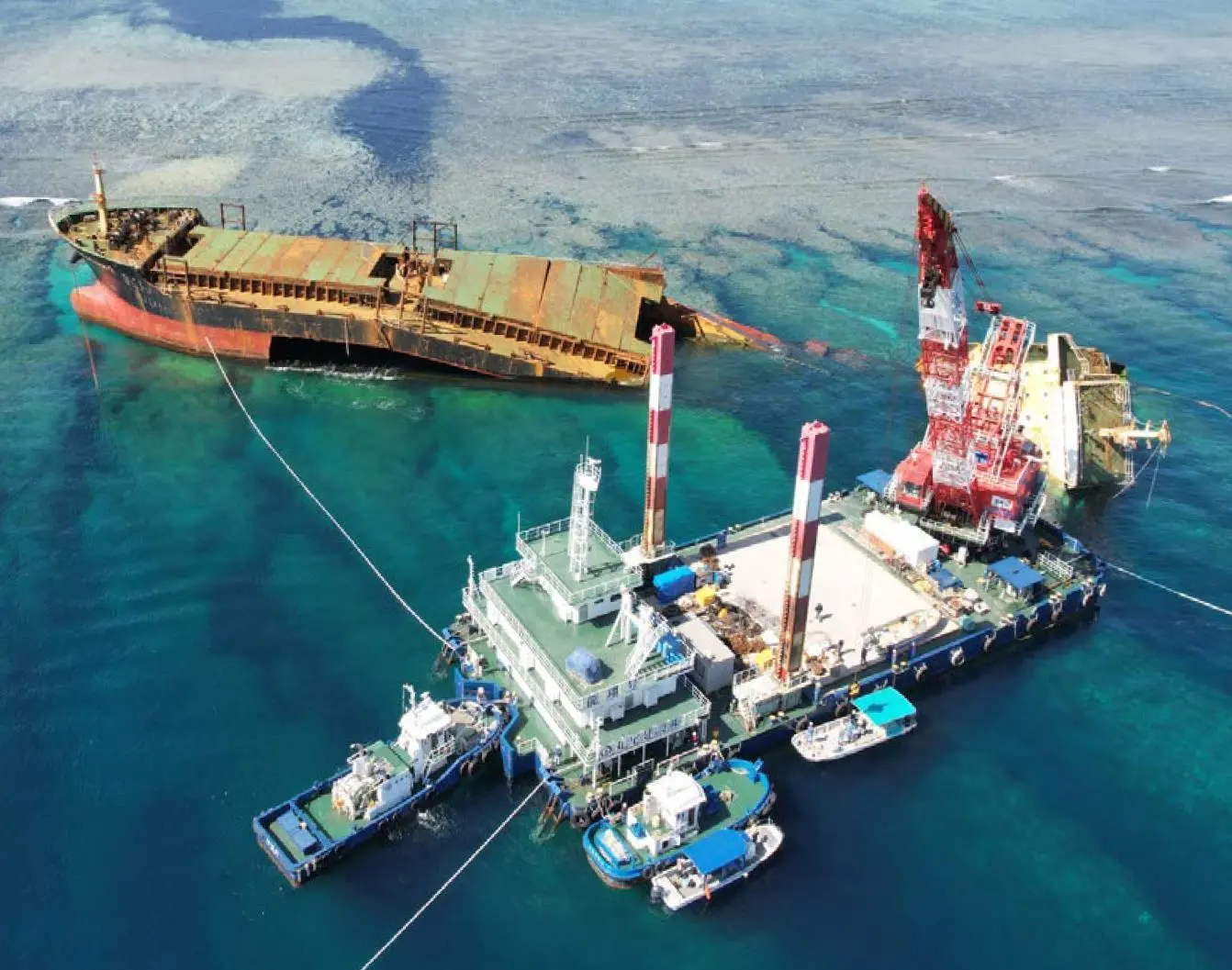
A continuing area of growth is in wreck removal work. While not always carrying the same urgency as emergency response and salvage services there is a general overlap of skills, expertise and hardware associated with the two disciplines. Some 50% of ISU members’ income is from wreck removal services and the ISU is at the heart of the BIMCO committee revising its Wreckstage contract.
Growth is reflected in the figures, where wreck removal income in 2023 was US$193 million (from 30 services) compares to US$55 million in 2022 from 32 services. Again, it has to be remembered that income received in the relevant year can include revenue from services provided in previous years with an element of “time lag”.
Any other business
Alongside Witte’s foreword, the review includes reports from general secretary James Herbert and legal adviser Richard Gunn.
ISU membership remains steady at 50 full members from 32 countries and 70 associate members, and Herbert describes its work with the EU Maritime Safety Division and IMO on matters including Places or Refuge.
The legal angle reported by Gunn describes interesting specific cases including around the question of jurisdiction, where it was alleged that an LOF was not binding because it was signed by the vessel’s managers, not the owner or master, after the vessel had been brought into port but before the services were completed.
The arbitrator found that the managers were agents of the owners, their signatures binding them accordingly, and 35% of the fund (relatively low being a yacht) were awarded where the services were prompt and saved the property from becoming a total loss.
Related Articles
 OTHER NEWS
 ACCESSORIES & EQUIPMENT
 SPECIAL REPORTS