![MaritimeJournal[Seawork]](https://www.maritimejournal.com/wp-content/uploads/2026/09/MaritimeJournalSeawork.svg)






Hovercraft firm changes tack to add new vessel ranges
UK vessel designer and builder Griffon Marine has opened its offering to a range of new vessels after 60 years in business.
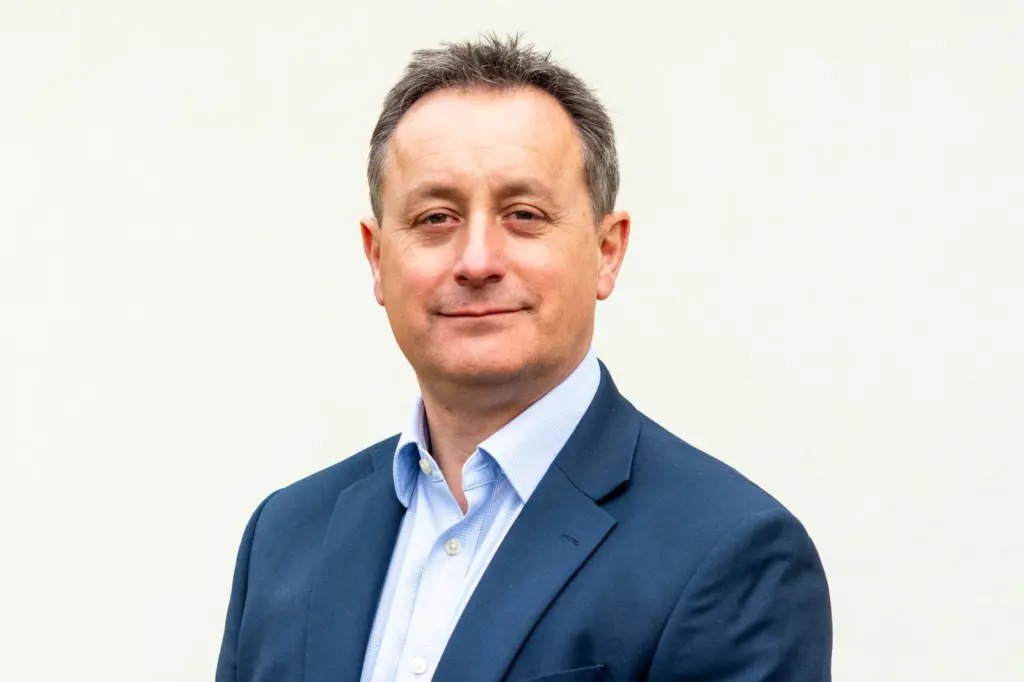
Traditionally a hovercraft designer and builder, Griffon Marine has expanded its vessel range to include catamarans and landing craft.
After more than six decades of dedication to the hovercraft, Southampton, UK-based Griffon Marine is now offering a range of new vessel types ‘to reduce dependency on a single platform’.
With a change of name from ‘Griffon Hoverwork’ to ‘Griffon Marine’ to reflect its change of course, the company’s CEO, Mark Downer, told Maritime Journal that the company is keeping hovercraft at the heart of its business model, but is now also designing, building and supporting a range of vessels including catamarans, interceptors and landing craft.
“This reflects a broader portfolio and renewed commitment to maritime excellence,” he said. “We have re-shaped our sales pipeline, secured international partnerships and delivered new vessel builds that position us strongly for the future.”
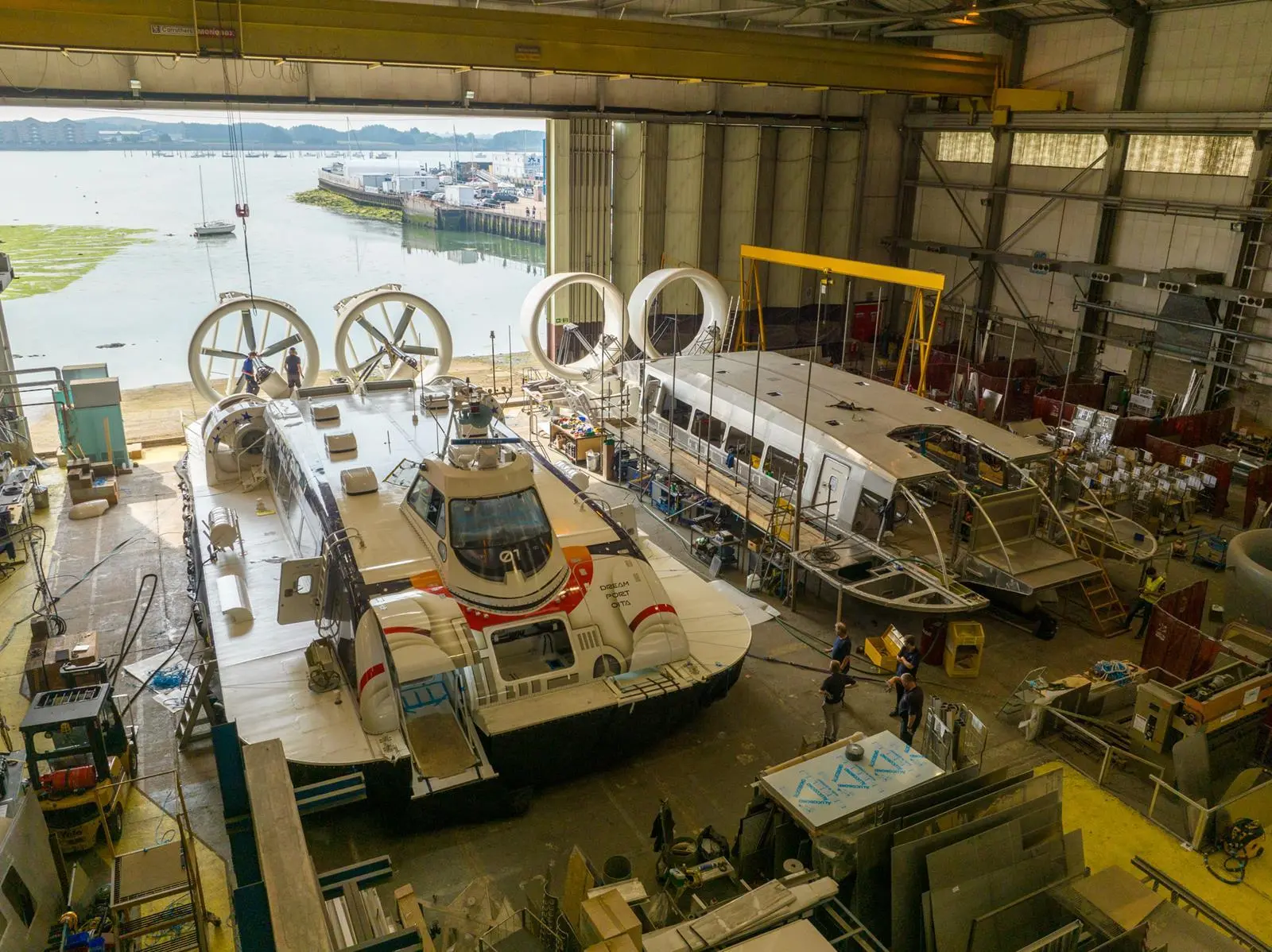
Griffon Marine is presenting itself as a versatile, forward-thinking specialist, structured around three integrated divisions that serve government, defence and commercial operators worldwide:
- Griffon Marine Solutions: Focused on vessel design and consultancy, this division integrates hydrodynamic optimisation, advanced propulsion, and regulatory compliance. Its projects range from developing new concepts to upgrading existing fleets for enhanced performance and sustainability.
- Griffon Marine Shipyard: Located at Trafalgar Wharf in Portchester, the shipyard provides more than 36,000 square feet of specialised aluminium and lightweight vessel construction. With advanced outfitting and internationally recognised certifications, it supports both newbuilds and refits.
- Griffon Marine Support: Offering global, 24/7 service, this division maximises operational readiness through spares, engineering expertise and crew training. It is trusted by coastguards, navies, armies and ferry operators worldwide, Downer says.
Supporting more than 50 customers globally that operate more than 200 craft, the company continues building on its hovercraft expertise while broadening its role as a leader in amphibious and high-speed marine transport, says Downer.
“The rebrand to Griffon Marine reflects this evolution, better representing the diverse, high-quality capabilities the business offers in vessel design, construction and support,” he says. “Griffon Marine is now better positioned to meet the changing requirements of maritime customers and the challenging demands of future commercial and military marine activity.”
Exploring potential with global partners
Griffon Marine is actively pursuing opportunities with international shipyards and operators.
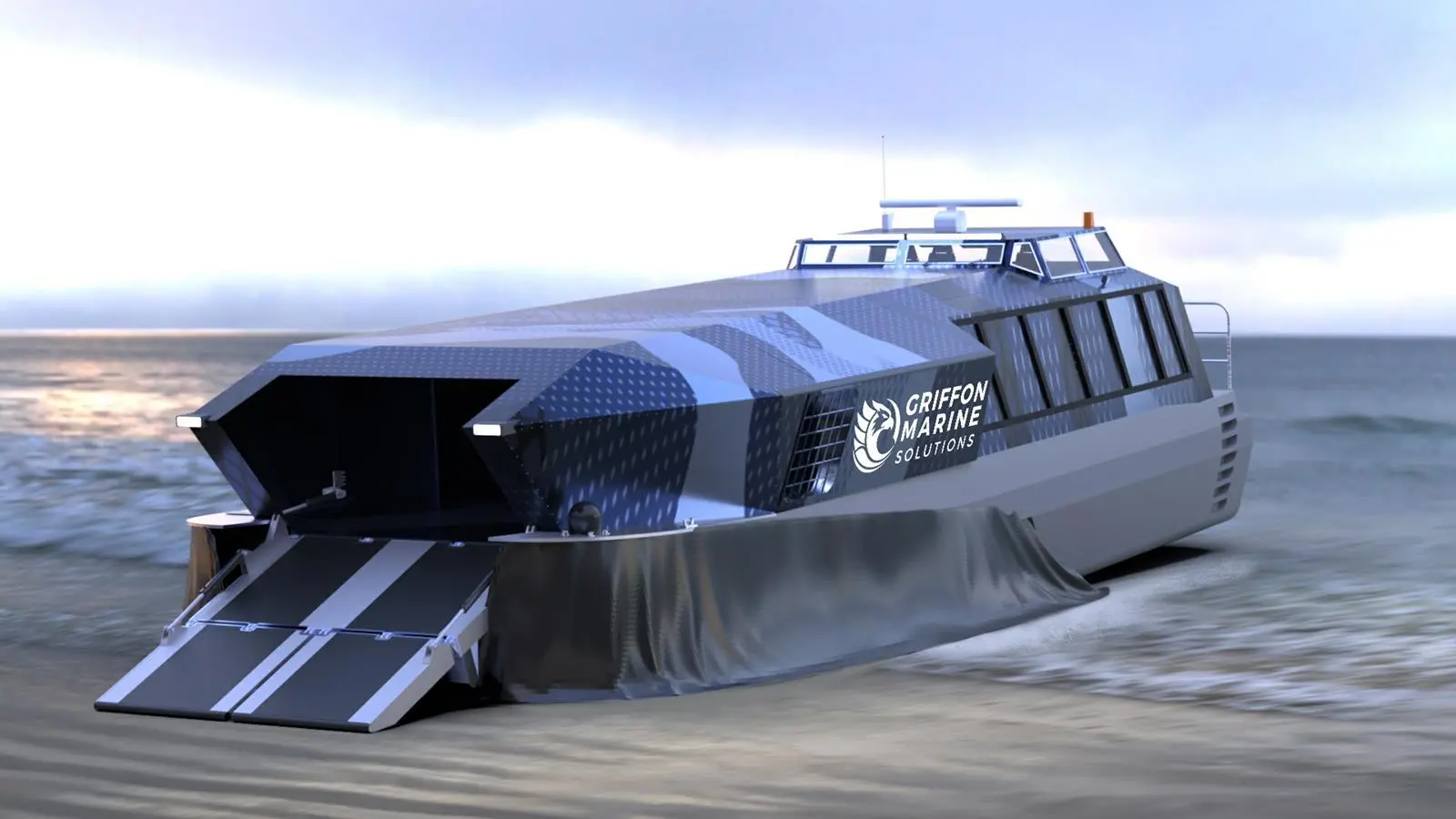
With changing government defence policies, its strategy now includes licensing and exporting designs to international partners while remaining deeply committed to its heritage and continuing to support legacy hovercraft customers.
“We have a licensing agreement with Chowgule in India for the production of six hovercraft for the Indian Coast Guard, which enables localised hovercraft production and future growth, demonstrating how design leadership in Britain can translate into manufacturing growth abroad,” says Downer.
Griffon’s reach extends from the Far East to Canada, where collaborations with the Canadian Coast Guard are advancing the future of specialised craft. The company has produced a scale model hovercraft that is currently undergoing tank testing at the University of Southampton, before moving into free-flight trials.
“This is evidence of our engineering-first approach to vessel development,” says the CEO, who says a turning point was reached when two 12m catamarans were successfully delivered, proving Griffon’s ability to build cutting-edge commercial vessels beyond its traditional niche. At the same time, this avoided redundancies in 2024 and supported the strategic upskilling of the company’s workforce, he says.
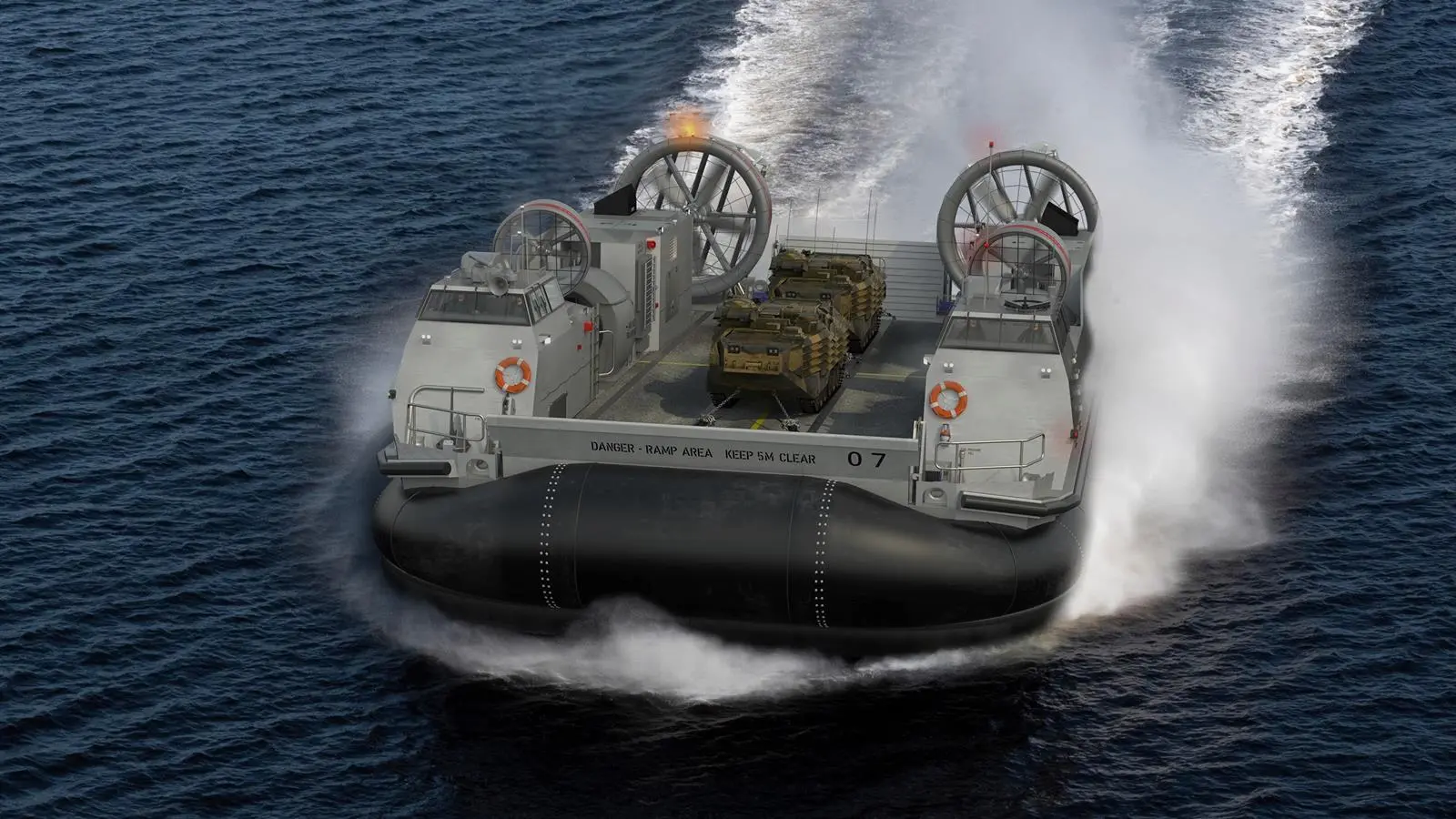
Griffon Marine pioneered a new class of Landing Craft Air Cushion (LCAC) hovercraft, launching the Wyvern class in 2023, a highly adaptable, cost-effective, and innovative LCAC. Purpose-built to provide rapid amphibious transport, the Wyvern enables military forces to deploy resources swiftly in response to conflict scenarios, natural disasters, or humanitarian crises.
Aluminium
At the heart of Griffon Marine’s identity is its expertise in aluminium.
“While many in the industry avoid aluminium due to its complexity and the limited availability of qualified welders, Griffon has embraced it as a primary material for more than 60 years,” says Downer. “More than 180 vessels have been delivered globally, almost all from thin-gauge marine grade aluminium, which we chose for its unique balance of speed, weight, durability, and maintainability.”
Griffon Marine’s experience comes from decades of expertise in optimising design, fabrication and long-term maintenance, he says. The company believes that aluminium is not a constraint but a competitive advantage, allowing customers to benefit from lighter, faster, more efficient vessels with reduced lifecycle costs.
Rebranding
The transition from Griffon Hoverwork to Griffon Marine reflects a deliberate strategy to diversify and evolve beyond the company’s hovercraft heritage. While hovercraft remain a vital part of the company’s portfolio, the business has expanded into new opportunities such as maritime border security, amphibious insertion, riverine operations and high-speed near-coastal ferries, reducing reliance on a single product line.
“By introducing these new vessel types, we have reshaped both our sales pipeline and our customer base,” says Mark Downer. “This strategic shift has already led to new international partnerships and secured new vessel builds that positions us for long-term resilience.
“The rebrand establishes the company as a versatile and forward-thinking marine specialist. It has strengthened our competitiveness across both defence and commercial markets, opening doors to new collaborations.
“Internally, the rebrand has strengthened culture and capability. Workforce development has become a central focus, with structured training, mentoring and cross-trade collaboration embedded across the business. Apprentices and graduates have joined the team in growing numbers, while existing employees have progressed into leadership roles, which is evident of our commitment to sustainable skills development within the Solent maritime sector.”
Downer believes that Griffon Marine’s story is about its people and their progression, and its commitment to ‘doing things right’.
“From delivering vessels that push the boundaries of marine capability to mentoring the next generation, Griffon Marine represents the best of what a small business can achieve in the maritime sector,” Downer says.
Related Articles
 OTHER NEWS
 ACCESSORIES & EQUIPMENT
 SPECIAL REPORTS