![MaritimeJournal[Seawork]](https://www.maritimejournal.com/wp-content/uploads/2026/09/MaritimeJournalSeawork.svg)


Salvaging container ships in European waters
The ability to handle an incident involving a mega container ship off Europe’s congested coastline was debated at Seatrade Maritime’s annual Salvage & Wreck Conference in London last week.
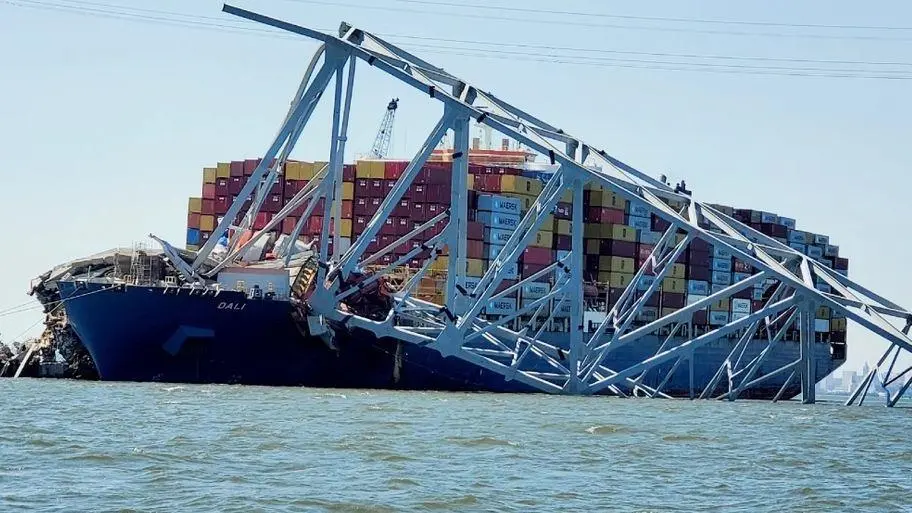
Accidents involving large container ships that have grabbed the world’s attention in recent years include grounding of the 20,388teu capacity Ever Given in the Suez Canal in 2021, and more recently the allision of the smaller 9,962teu Dali with the Francis Scott Key Bridge in Baltimore, US.
Apart from the immediate costs of salvage and associated repairs to the vessels and shore infrastructure, the practical and financial implications of disruption to trade can potentially be far greater.
The Ever Given grounding closed the Suez Canal, forcing ships to divert around the Cape of Good Hope or face delays, while as well as closing the port of Baltimore, Dali’s dilemma resulted in ships being trapped within the port itself.
Hypothetical scenario
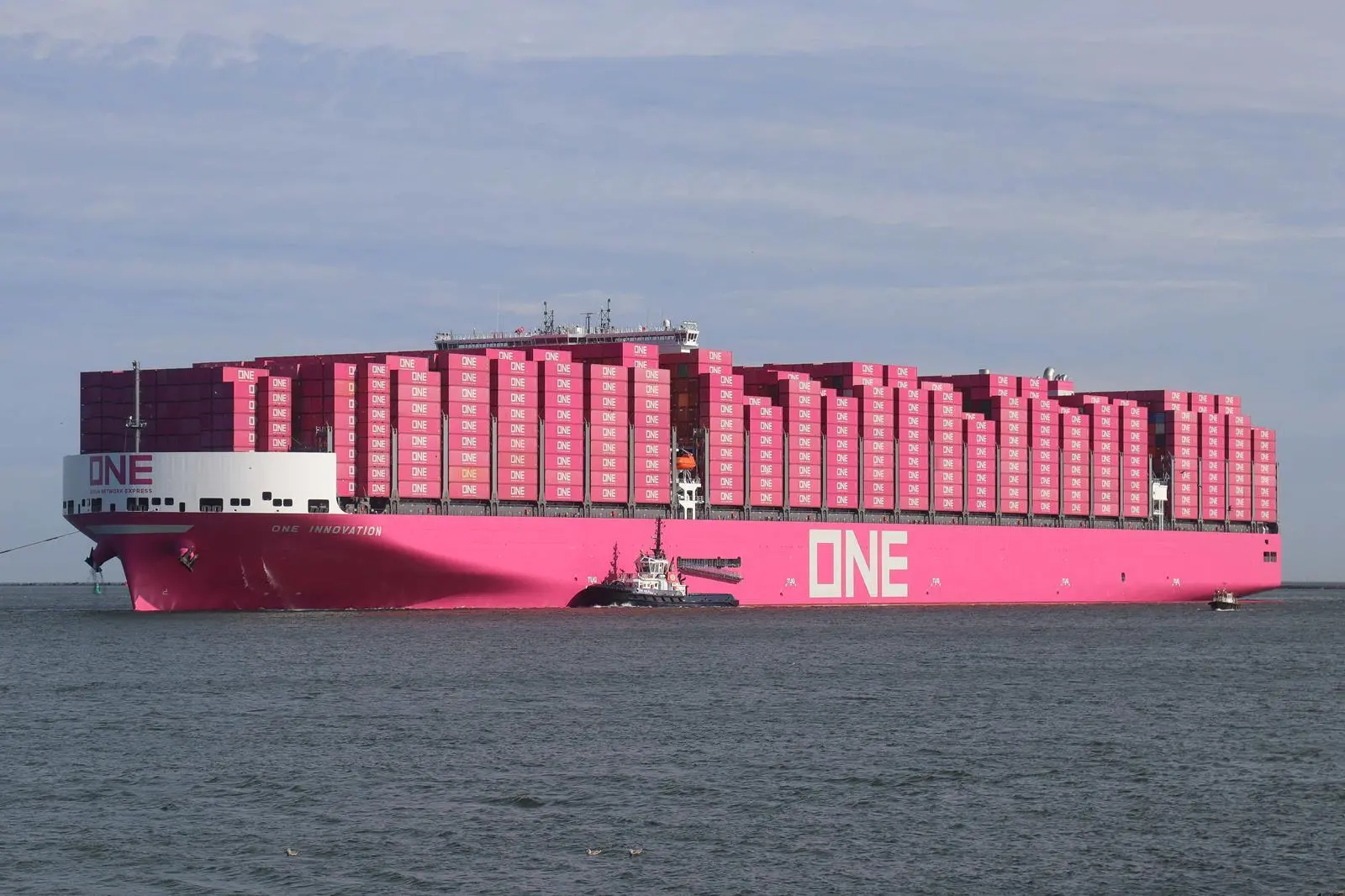
The salvage industry has long expressed concerns when dealing with casualties involving mega-container ships and delegates at the conference addressed the hypothetical scenario of a 22,000teu container ship being abandoned and running aground following an engine room fire in a UK estuary.
Captain James Stride, chief harbour master for Port of London Authority, spoke of such a situation occurring in the Thames Estuary, an area used by shipping approaching critically important container (and other) terminals on the River Thames and Medway.
The estuary comprises dredged, narrow deep-water channels flanked by sandbanks that dry at low tide, with just a handful of access routes to the ports. Similar to the Suez Canal, such a scenario would very likely in effect limit or even close the waterways completely.
Capt Stride said there would not be the unified command set up following the Dali incident but a forum of stakeholders, including three local councils, and central government also likely to be involved.
On the positive side, the UK has the highly regarded SOSREP (Secretary of State’s Representative for Maritime Salvage and Intervention) system. Current holder of the position Stephan Hennig said: “From my point of view, I’m tasked with overseeing responses to the incident… my fit will be a co-operative effort from an authority view to bring this to a conclusion, but from this scenario it will not be quick.”
He added that vessels would be unable to enter to leave the port, those within being trapped due to the ongoing rescue and salvage operation which with a vessel of such a size could take months.
Andrew Chamberlain, partner at Holman Fenwick and Willan, described the “huge logistical challenges” in dealing with such an incident, reportedly suggesting the involvement of up to 46 national and local authorities and stakeholders, including those with environmental and fishery concerns.
Captain Ajaz Peermohamed, VP of claims at insurer Gard, listed the concerns in order of precedence, people, environment and property, and in particular the blocking of critical cargoes including food and fuels, remarking that aviation fuel for London’s four major airports are imported via the Thames Estuary.
Salvage
Unlike some incidents that occur at the remotest parts of the globe, in everyone’s favour here is that this area is close to home for several major salvage companies and their stockpiles of equipment, the region also well populated with specialist vessels.
Nonetheless, the worst case scenario (fire and grounding involving structural damage with the ship inevitably carrying dangerous cargo) requires a major effort, the availability of suitable heavy-lift cranes with the height and reach for such vessels being one area of concern the industry has highlighted.
Such operations, once any fire is extinguished, usually involve initially removing pollutants from the ship, bunkers, lube oils etc, possibly followed by lightening the vessel. That would involve vessels having to be moored alongside the ship for extended periods, operations that would be heavily dependent on suitable weather in an area that experiences strong tidal conditions.
Addressing the conference, Daniel Dettor, director of business development at Resolve Marine, said it was critical to know what is on board the vessel, but that salvors need to make structural assessments at the outset.
Related Articles
 OTHER NEWS
 ACCESSORIES & EQUIPMENT
 SPECIAL REPORTS