![MaritimeJournal[Seawork]](https://www.maritimejournal.com/wp-content/uploads/2026/09/MaritimeJournalSeawork.svg)
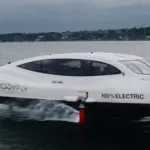


Study examines electric ferry options for London
A study has Identified three potential “turn-up-and-go” pedestrian and cycling-friendly electric ferry routes for the River Thames in East London.
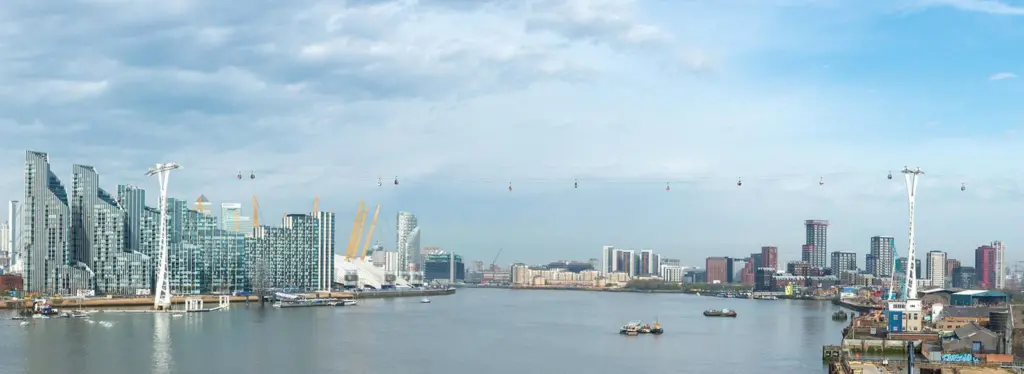
“The river is too often seen as a barrier and we must overcome this,” said Kate Willard OBE, Thames Estuary envoy and chair of the Thames Estuary Growth Board (TEGB).
The study, commissioned by Port of London Authority and TEGB, is part of an action plan to deliver ‘Thames Vision 2050’ to maximise the economic, social and environmental potential of the tidal river between Teddington in west London and the North Sea.
To the north, Canary Wharf, the Isle of Dogs and the Royal Docks are served locally by just three fixed tunnel links beneath the river, the Rotherhithe and Blackwall vehicle tunnels and the Greenwich foot tunnel. To the east is the Woolwich passenger and vehicle ferry link, with all of these suffering from congestion at busy times.
Modern fast river buses have operated on extended lengths of the river for decades and it is considered that this area of London, which is experiencing significant growth, would benefit from additional ferry-crossing links using electric ferries, the idea inspired by similar projects in Auckland and Amsterdam.
Three routes serving some of London’s under-resourced areas are suggested: North Greenwich to Isle of Dogs; Royal Docks to Charlton; and Barking Riverside to Thamesmead. The third link has been prompted by major development driving demand for additional crossings in the east.
Each of the suggested southern piers is within a 15-minute cycle ride for more than 107,000 people, ferries providing quick and easy access to jobs and education opportunities the other side of the river.
Initial assessment suggests there is sufficient energy supply from Local District Network Operators exists at all short-listed sites for low-emission ferries, and while further concept studies are needed the study states that “recharging of the vessels is not likely to be a significant barrier to the operational performance needs”.
The investment of between £120 million and £132 million (€153 million) for each option would be around a third of the cost of a bridge carrying comparable numbers of people and it would be available in a fraction of the time.
In 2019, the cost of a proposed bridge between Rotherhithe and Canary Wharf topped an estimated £460 million (€534 million). The study can be accessed via https://www.pla.co.uk/Report-recommends-three-electric-ferry-crossing-options-for-East-London