![MaritimeJournal[Seawork]](https://www.maritimejournal.com/wp-content/uploads/2026/09/MaritimeJournalSeawork.svg)






Tender issued for electric ferries for Scotland
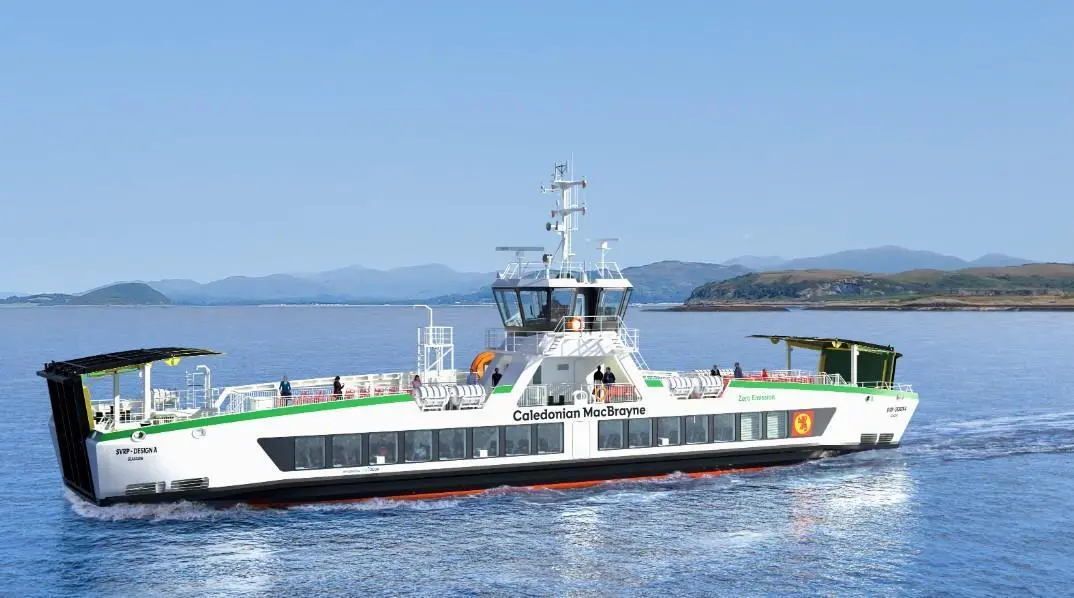
Caledonian Marine Assets Ltd (CMAL) has announced the issuing of a tender for the first phase of Scotland’s Small Vessel Replacement Programme (SVRP), involving seven new electric ferries along with shore power facilities and port upgrades.
As part of the SVRP plan, a competitive tender process has been launched for the new ferries, the first stage to assess if the shipyards interested in bidding for the contract meet the financial and technical criteria to take on the project. This Phase 1 of the SVRP is estimated to cost around £175 million (€208 million) with the contracts planned to be awarded for March 2025.
CMAL is an asset-owning company wholly owned by the Scottish government and CalMac Ferries, better known as Caledonian MacBrayne, and operator of the vessels.
Diverse routes and ships
The highlands and islands of Scotland’s Western Isles and Clyde are heavily dependent on ferries providing both a lifeline for local communities as well as catering for the region’s busy tourist industry.
CMAL currently owns 37 ferries, 32 of which are operated by CalMac, with three operated by Serco Northlink Ferries running between Aberdeen and Orkney and Shetland.
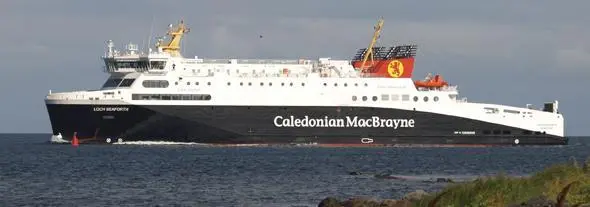
The fleet is varied in size, ranging from the outboard motor-powered landing craft Carvoria, accommodating one car and 12 passengers to the Loch Seaforth with a capacity of 130 cars or 20 HGVs and 700 passengers.
Some of CalMac’s routes are suited for double-ended ferries and it is this part of its operation the new electric vessels are planed to serve, including the Colintraive to Rhubodach (Bute), Lochaline to Fishnish (Mull), Tarbert (Loch Fyne) to Portavadie (Peninsula), Iona to Fionnphort (Mull), Sconser to Raasay, Tobermory to Kilchoan and Tayinloan to Gigha routes.
Introduction of the new ferries will also lead to the cascading of displaced vessels to two other routes.
Phase 2
With the Phase 1 procurement process under way, CMAL is working on Phase 2 of SVRP, which will see the replacement of three vessels from the existing Clyde & Hebrides Ferry Services routes as they reach the end of their operational life.
Public engagement events will be held in the run-up to the start of design work, including the appointment of a naval architect consultant to develop the concept design for Phase 2 with funding from Transport Scotland’s draft Island Connectivity Plan (2026-2031).
CalMac has faced significant hurdles with its long-delayed plans for two large ferries for its busy Arran route, so the prospect of these seven new electric ferries with their environmental benefits holds the potential to breathe new life into a much-loved, vital part of daily life service.
Kevin Hobbs, chief executive officer at CMAL, said: “We welcome the Scottish government’s decision to progress the SVRP. What matters for us is being able to move forward with our plans to improve the fleet with new vessels.
“This is great news for island communities, and we look forward to delivering the all-electric lifeline vessels over the coming years.”
At the time of the tender process announcement, Fiona Hyslop, Scotland’s cabinet secretary for transport, said: “The Scottish government is absolutely committed to improving our ferry fleet to better meet the needs of island communities, so I’m very pleased to see the procurement process for seven new small vessels get under way today.
“The new vessels will also be electric, helping us to deliver a significant improvement in emissions and local air quality and taking us towards a lower carbon ferry network.
“This procurement is a vital step forward in our plans to improve our ferry services and I look forward to following its progress closely over the coming months.”
Related Articles
 OTHER NEWS
 ACCESSORIES & EQUIPMENT
 SPECIAL REPORTS