![MaritimeJournal[Seawork]](https://www.maritimejournal.com/wp-content/uploads/2026/09/MaritimeJournalSeawork.svg)



UK pledges record spending on naval autonomy and uncrewed tech
The UK government’s new Defence Investment Plan (DIP) pledges record spending on drones and autonomous technology.
More than £5 billion (€5.8 billion) has been earmarked for uncrewed/autonomous technology, the most it has ever spent on the sector, out of a total £15 billion promised for the armed forces.
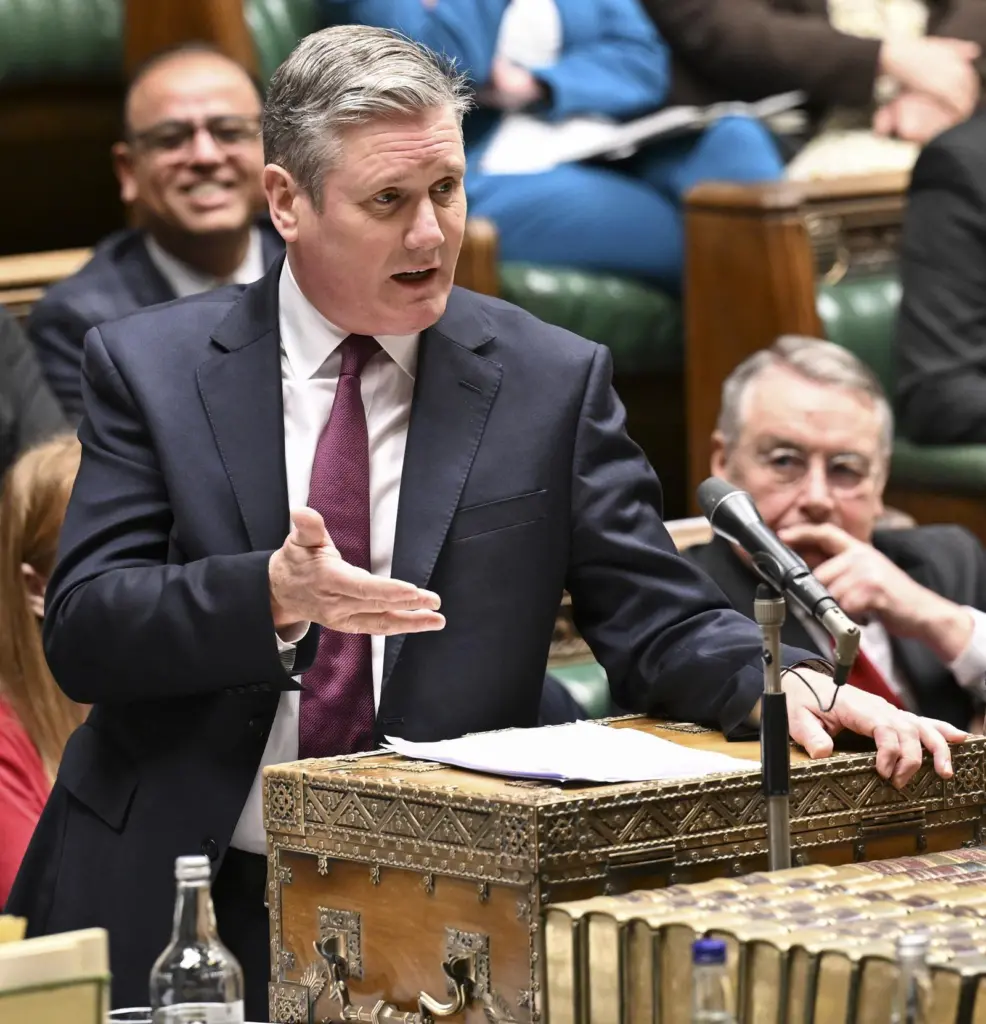
In an announcement on Tuesday June 30, prime minister Keir Starmer said the money would be spent ‘to fight the wars of today and the future’.
Air defences, nuclear deterrents and weapons will be bought, but he also earmarked £5 billion for four different uncrewed platforms that all have potential for the commercial sector, where uncrewed and autonomous technology is well under way.
The four platforms are:
Type 91 – uncrewed missile platforms to increase firepower;
Type 92 – uncrewed sense platforms designed to hunt enemy submarines across the North Atlantic and support new frigates;
Type 93 – extra-large uncrewed underwater vessels that will work alongside crewed hunter-killer submarines to seek and destroy enemy submarines; and
Type 94 – uncrewed sense platforms designed to scan the skies for threats to the hybrid navy or the homeland.
The Royal Marine Commandos will also receive new high-speed boats and the latest drone and autonomous technology – crewed boats with drone/autonomous systems attached, distinct from the Type 91–94 unmanned vessel programmes.
At the heart of the spending are at least six Common Combat Vessels (CCVs) to replace the Royal Navy’s current fleet of six Type 45 destroyers, which will act as what the government calls the ‘brain’ of a networked Maritime Air Defence system.
Rather than concentrating on a few large, expensive ships, the plans are shifting to a hybrid navy of crewed and uncrewed equipment.
“We are putting more than £5 billion into drones and autonomous weapons – the largest ever UK investment in this technology,” said outgoing prime minister Keir Starmer, who is due to be replaced in about three weeks.
“That means we will build a new hybrid Royal Navy so that when our frigates move to intercept a threat to British interests, like a Russian ship in our waters, they will do so with outriders – uncrewed ships, above and below the surface, their AI systems working in unison with our warships, operating as a single integrated force.”
Industry impact
A report commissioned by the National Shipbuilding Office and National Physical Laboratory, published in May, before the DIP was released, examined the scale, structure and economic significance of the UK Maritime Autonomy market.
Delivered by Stehr Consulting and WPI Economics, it found that in 2023, the Gross Value Added (GVA), or economic contribution, was £469 million (€545 million) , with a turnover of £625 million (€725 million).
It predicts the GVA growth trajectory to rise between 25-34% over five years, slowing down after that to up to 18% in 15 years’ time.
By 2050, it estimates a GVA worth £8.3 billion (€9.6 billion).

“The government’s commitment to invest in uncrewed systems and AI marks a necessary shift in how the UK’s future naval capability will be built,” said Ollie Thompson, technical director, MarineAI. “The concept of a hybrid navy reflects the reality that tomorrow’s maritime operations will increasingly rely on teaming between crewed and autonomous platforms, rather than either or.
“AI on its own is not enough. Operational advantage will come from combining trusted autonomy, intelligent decision making and seamless collaboration between crewed vessels, uncrewed systems, and operators. There is a shift already happening that is placing an emphasis on the development of autonomous vessels being able to operate independently when they are out of reach of control rooms, and degraded communications remove remote piloting options.
“The Defence Investment Plan provides the much-needed opportunity to accelerate innovation in maritime autonomy technologies, strengthen sovereign capability and ensure British industry plays a leading role in delivering the next generation of naval capability.”
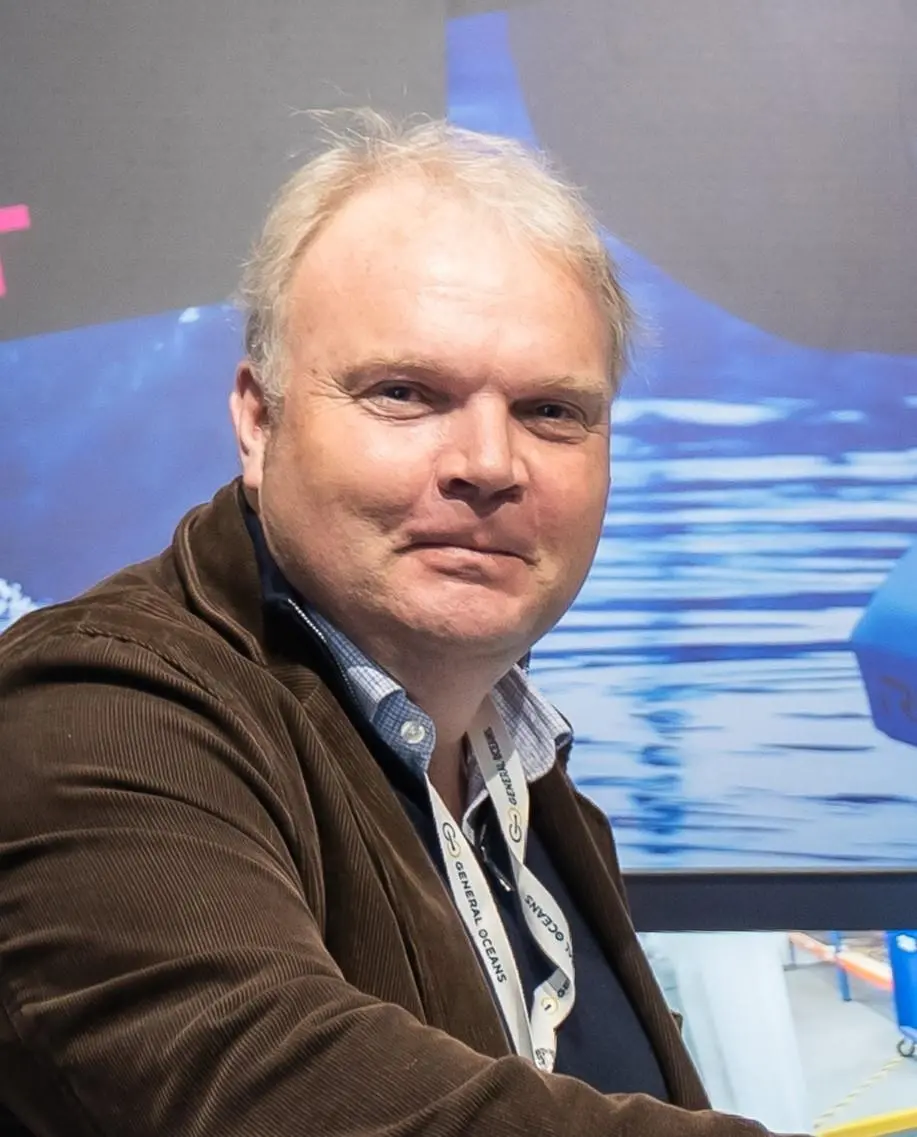
“USVs or uncrewed surface vessels have an increasingly key role to play across defence, with the ability to integrate a wide range of differing sensor payloads allowing intelligence gathering,surveillance, force protection, hydrographic survey and logistical re-supply,” said Matthew Ratsey, managing director of ZeroUSV. “They enable the Royal Navy to extend its reach, reduce risk to personnel and operate more effectively in contested environments, complementing existing crewed platforms.
“For UK industry, this investment is equally important. It provides the confidence needed to continue developing sovereign autonomous capabilities, grow domestic manufacturing and strengthen the supply chain that sits behind these technologies.”
Related Articles
 OTHER NEWS
 ACCESSORIES & EQUIPMENT
 SPECIAL REPORTS