



On the cusp: 2023 could be pivotal
The industry for offshore support vessels such as CTVs is about to take off, says Ian Baylis, founder and director of Seacat Services, who says that despite all the hype, the last 10 years or so have not been easy for the sector.
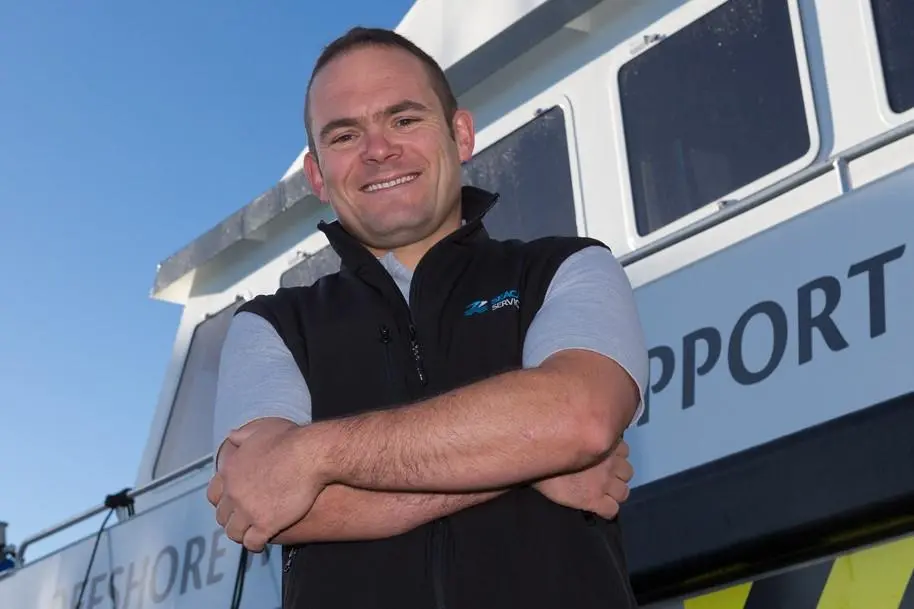
“We came into the market in 2012/2013 – we’ve had a couple of good years in offshore wind since then, but believe it or not, since then the market has been quite depressed and there’s been a lot more supply of vessels than demand by quite some way,” Baylis says.
“Back then, there were 400-ish what you might call useful CTVs – and it’s slightly less now because some of the smaller tonnage has been sold or re-purposed. Even some of the bigger tonnage, when there was no work, like the Damen 2610 twin axes for example, are now fast ferries in the Middle East.
“In fact, the amount of tonnage in the sector is smaller than it was in 2014, which is a combination of this kind of loss. People also have moved on to other things because there wasn’t the work in offshore wind in Europe.
“When we came in there was an average of 63 CTVs being launched a year. That’s gone down to less than half a dozen in recent years.”
Demand fluctuation
It seems incredible that demand has been so low given that the UK has the second highest number of offshore wind farms in the world after China, with 234 either operating or in the planning stages, according to research consultancy 4COffshore. But demand has come in fits and starts, Baylis says – it has not been a steady rising trajectory, which is what he sees for the next 10 years.
“We’ve bumped along and kept busy, as have others, but many others haven’t been as fortunate, possibly because of their inability to get financing when there’s no work there,” he says. “The problem is the lack of demand, which we haven’t learned from oil and gas.
“There are a number of operators who we know have had to go through some extensive re-financing to get through this period, in some cases more than once, and there are others who have got out because it wasn’t going well for them.
“With CTVs there are the two demands – the construction phase and then O&M. Construction has accounted for a lot of the fleet and the Crown Estate has historically released seabed licences in clumps, Round 1, Round 2 – with all awarded at once and everyone building at the same time, so it’s been boom, bust, boom, bust.
Rising standards
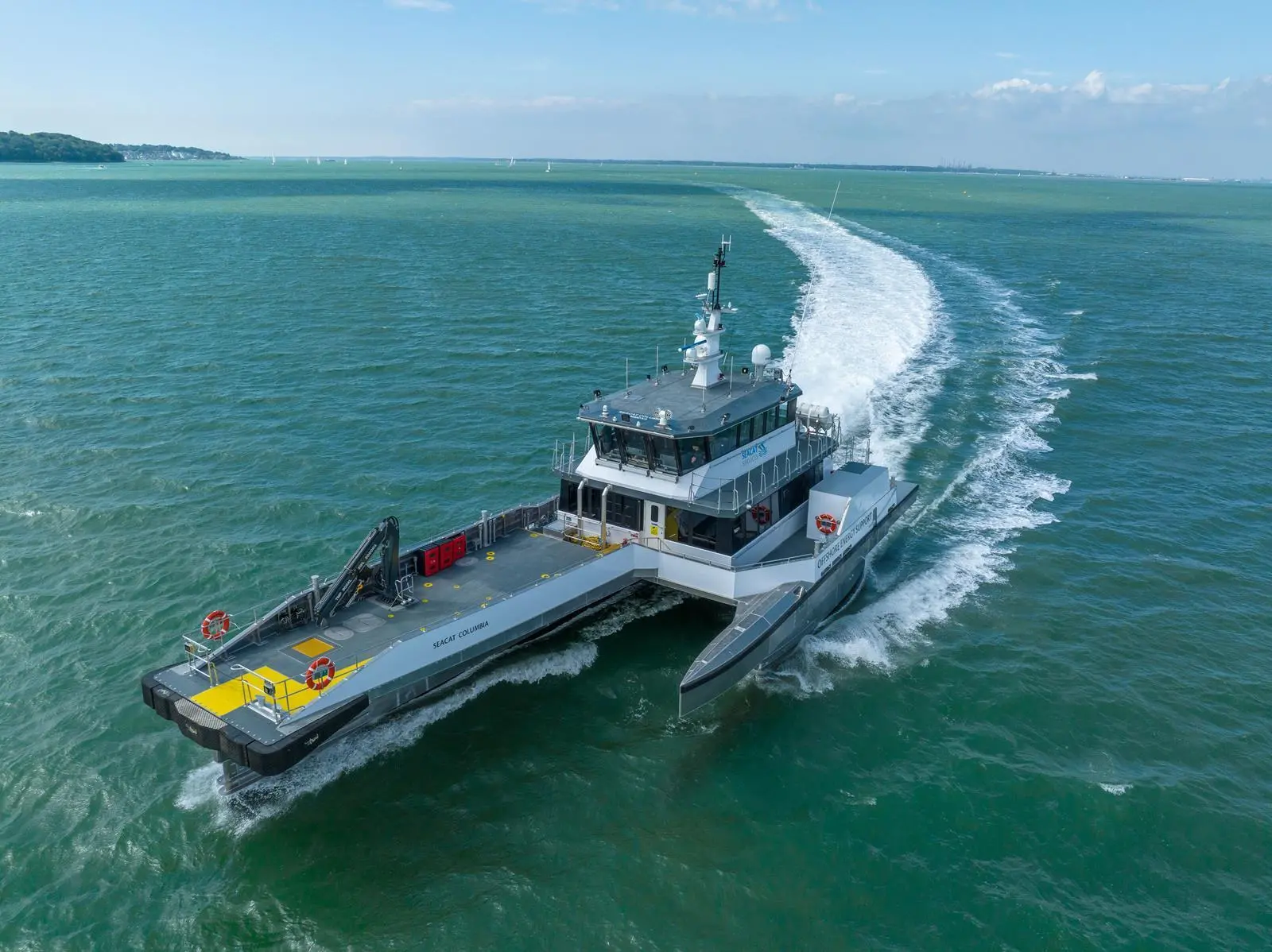
One of the aspects making profit harder to come by, and Baylis admits this is partly the designers’ fault, is the rise in standards.
“Customers had the run of the market, so standards went up, which is partly down to us and our peers, for pushing them up,” he says. “The more you give, the more they expect; you can’t go backwards. We bring a fancier, more comfortable boat – and that is what they now want.”
Standards are also rising in the back office, QSHE (Quality, Health, Safety, and Environment).
“We’re doing 35% more paperwork because QHSE has got to an extraordinarily detailed and professional level,” he says.
“The industry is operating to terms that it’s been forced to take. Payment terms, for example, and quite stiff charter clauses – we’re being told to take it or leave it. I’ve seen tenders come out that we wouldn’t consider signing – but our competitors will.”
Green tide
As in all industries, the almost hysterical drive towards ‘net zero’ is heating up in maritime too.
“Customers have this wish – zero carbon with no offsets by 2030 – but there’s no budget for it yet,” says Baylis. “If you take a hybrid vessel, eg HST Ella, versus a non-hybrid version of it, you have a £750,000 build cost deficit.
But why change fuel when there are other ways to achieve net zero, he asks.
“We’re getting really hung up on future fuels when the infrastructure’s not necessarily there yet,” he says. “We have a carbon target but we don’t really care how we get there.
“Our tactic is we’ve come up with a platform for the future – the Chartwell Brevity and the BarTech 30 – they’re the extremely ambitious hulls for Cats, and with them and using the foils we have a 10% fuel reduction without going anywhere near a battery or a hydrogen cell.”
The BarTech, he says, in the first few weeks of operation demonstrated 20-30% savings.
“It’s a logical pathway,” he says. “Drop things in as they become commercially and technically viable.”
Like hydrogen, for instance, which customers have asked him about.
“We can put the hydrogen injection system on our engine just like anyone can. There’s a methanol boat coming onto the market next year – we can do that too. That’s why we developed the platform – the same machinery in every boat, we can just add stuff to it. Our engineers are supporting one engine but we can put a hydrogen injection in there or a Tier III scrubbing system in there.
“We’ve been waiting for those things to become available – that’s why we built the BarTech with our magic ingredients in it.”
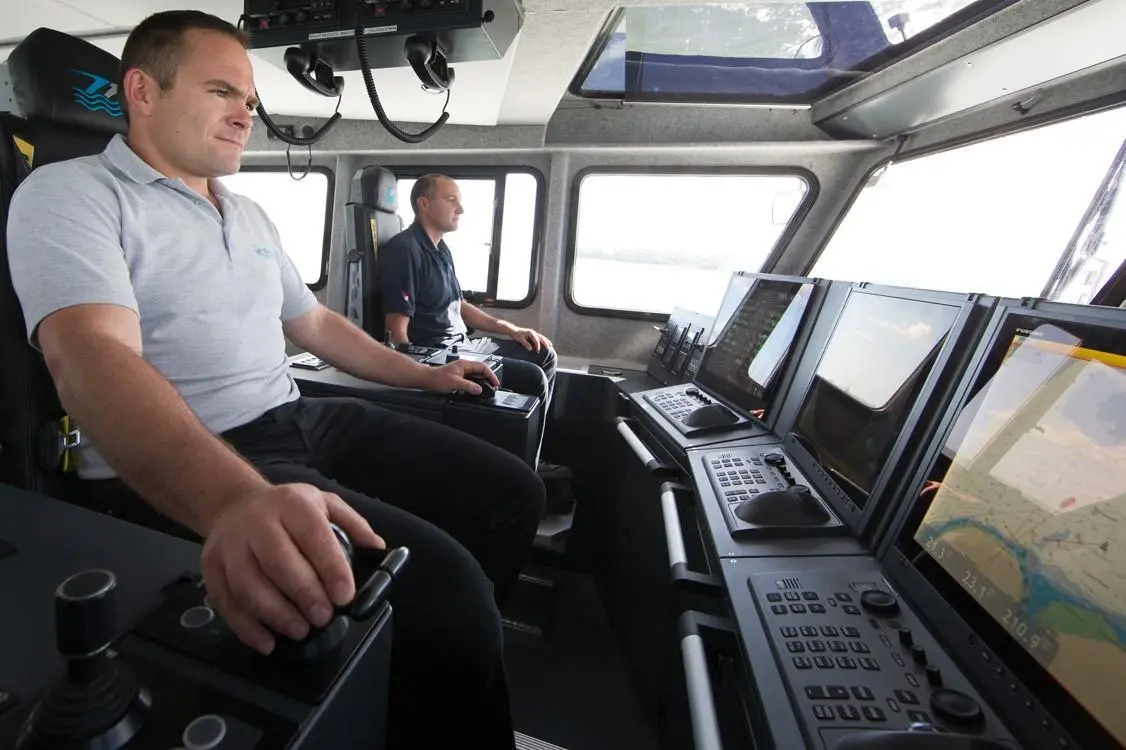
2023 set to be a pivotal year
Next year, says Baylis, marks the beginning of a sustained phase of growth within the offshore wind industry. He foresees changes on multiple fronts heading into the New Year:
– Demand will continue to outstrip supply as wind farm development overtakes the capacity of the domestic fleet, empowering vessel owners and driving a reset in charter rates
– Transforming relationships across supply chain personnel will inspire a more collaborative approach to procurement from offshore developers
– A healthier supply chain will foster a revived culture of responsibility and integrity, and renewed interest in reliable service over product innovation.
“There is a pipeline of offshore wind, less fluctuation in supply and demand, more consistency,” he says. “There are some big new wind farms coming and extensions – it looks good.
“There are some negative points – supply chain issues and rising costs and major lead times, so it helps if you have a pre-existing fleet. At one point, for instance, metal was really hard to come by, aluminium was 50% more expensive and the cost of generators has almost doubled.
“But now we’re on the cusp of a sustained growth period; we’re on the cusp of future technologies and emission technologies, and I’d say strong supply chain and customer engagement is needed to navigate the pathway in a logical fashion.”
Related Articles
 OTHER NEWS
 SPONSOREDSTORY
 INDUSTRY NEWS