![MaritimeJournal[Seawork]](https://www.maritimejournal.com/wp-content/uploads/2026/09/MaritimeJournalSeawork.svg)




Pete McIntosh: A fresh pair of eyes for CTruk
Pete McIntosh of CTruk has returned to boatbuilding, something that a few years ago he was quite certain he’d never do. So what made him change his mind?
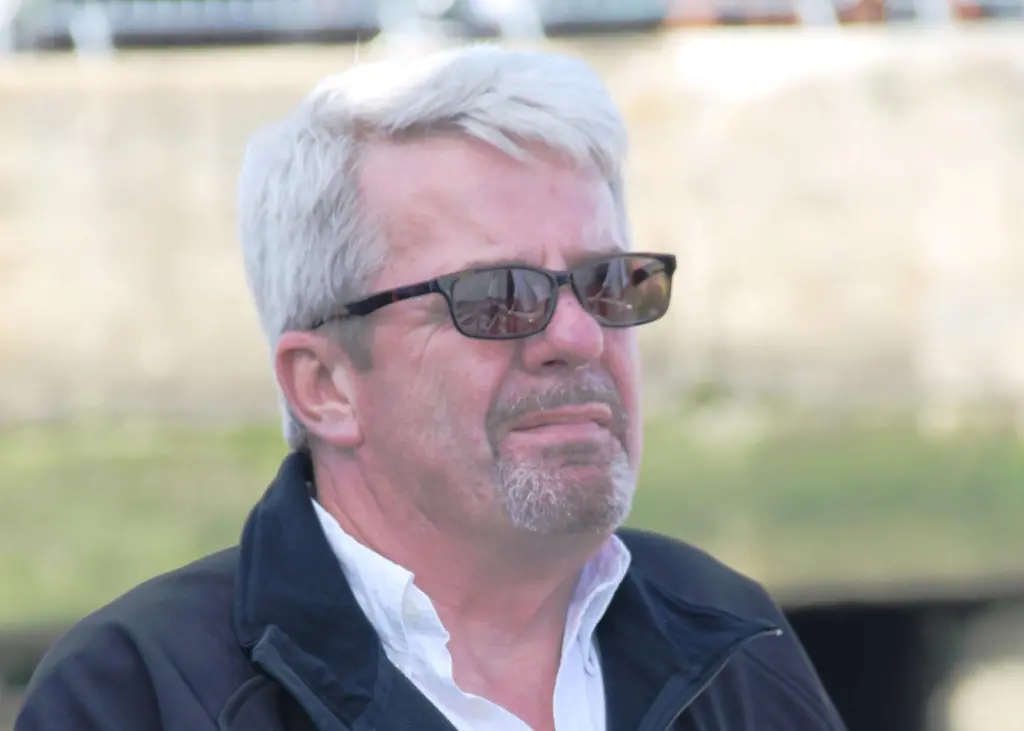
The story is a long one. “I’ve been in the marine industry for most of my career: I went to Cammell Laird straight from school and worked my way up before joining Vosper Thornycroft in Southampton.” Then in ’98 he led the team privatising Portsmouth Naval Base. He explained: “Before then I’d been managing design, development and construction teams… but this was a major lesson in getting a reluctant group of around 2,000 individuals to gel into a commercial organisation.”
Of course they were apprehensive; so was he. But he explains there was a lot of “low hanging fruit”: changing allocated parking for managers and officers to ‘first-in’ plus direct communication on performance “all made the culture-change visible”.
Despite initial wariness, over the next few years his team showed by example that improved performance meant more work. From there Mr McIntosh went onto being MD of VT Group’s shipbuilding activities and then, CEO of the UK’s aircraft carrier programme, following all this with a much needed gap year “in which I did all sorts of things I wanted to do… like building my own house”.
Getting back into industry in 2011 Mr McIntosh saw he could put his hard-won experience – and long list of contacts – to work on smaller projects which had potential for significant growth. His role at Marine Current Turbines, for example, was to help a very talented team secure investment to fully industrialise the technology. “Developing a strategy and keeping focused on delivery is a lot easier with a fresh pair of eyes,” he said; of course a few decades of managing complex projects and people helps. “We demonstrated the twin tidal turbine had a future to Siemens – they bought the company.”
And then… the allure of small craft innovation captivated him along with CTruk’s novel idea: “I’ve experienced manufacturing many types of marine steel, aluminium and FRP vessels, but it’s the first time that I’ve seen an FRP manufacturing process that is significantly cheaper and quicker than it’s metal equivalent.” He explained the high cost of creating the initial plugs and molds is offset by a very efficient and consistent infusion process “which really opens the door to moving the whole technology on”.
“Taking down the cost barrier means you can develop very sophisticated hull forms,” he pointed out, the first result being small – and popular – SWATH windfarm vessels. He is obviously excited by the potential: combine all this with a ‘plug and play’ pod concept that gives the owner flexibility and “you start gaining a competitive edge over traditional equivalents”.
As for the next step, Mr McIntosh has just steered the company into a new home, giving it room to expand and move from “a small boat builder with great ideas… to an FRP technology leader”.
By Stevie Knight