![MaritimeJournal[Seawork]](https://www.maritimejournal.com/wp-content/uploads/2026/09/MaritimeJournalSeawork.svg)




Public invited for Trinity House Open Day
In 1514 a young King Henry VIII granted a Royal Charter to a fraternity of mariners called the Guild of the Holy Trinity “so that they might regulate the pilotage of ships in the King’s streams”.
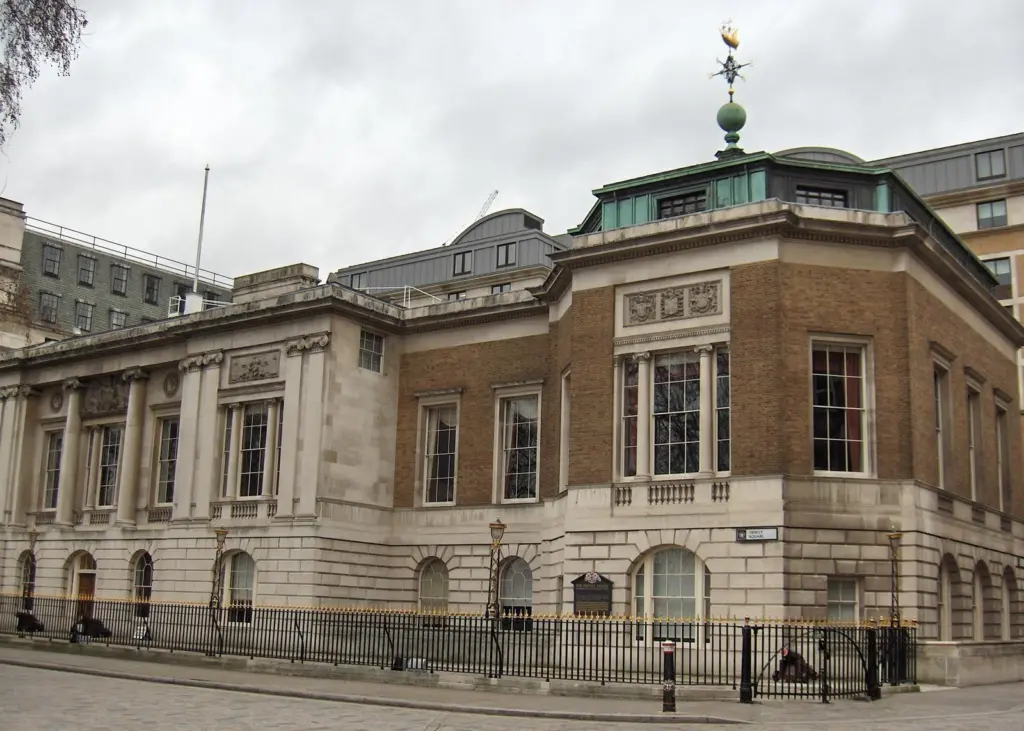
The month of May marks the 500th anniversary of this milestone event in British maritime history. Included in the celebrations at Trinity House, home to the Corporation and the working office of the General Lighthouse Authority, is a unique Open Day Invitation to the general public to discover the treasures and artefacts preserved and on display within its five elegant rooms and access areas from 10am – 3pm on Saturday, 17 May. There is no need to contact the House, interested day visitors can arrive and wander about the House at their leisure and receive information from expert guides stationed throughout.
Enthusiasts unable to make this date can schedule a visit from 10am – 3pm on Saturday 20 September (only) as part of the city-wide Open House London promotion created by Open-City (www.open-city.org.uk) and staged on the 20th and 21st of the month, providing rare public access to 800 other exceptional buildings in London.
Trinity House is located on Tower Hill overlooking the historic Tower of London and the picturesque Trinity Square Gardens, containing a memorial to merchant navy heroes of two World Wars and the Falklands War. Built in 1794, the history of the House is omnipresent and, throughout the building, valuable paintings and antiques bear out the nation’s remarkable nautical heritage. One of its more recent acquisitions is the brass bell from the Royal Yacht Britannia, which was decommissioned in 1997.
Trinity House’s connection with seamarks and lighthouses dates from Elizabeth I and the Seamarks Act of 1566 which granted powers to set up “so many beacons, marks and signs for the sea whereby the dangers may be avoided and escaped and ships the better come into their ports without peril.” The first lighthouse was built during the reign of James I by Trinity House at Lowestoft in 1609, and the next 200 years saw a proliferation of light house building around the coast.
Trinity House is the working office of the General Lighthouse Authority (GLA) for England and Wales, with responsibility for nearly 600 Aids to Navigation from traditional aids such as lighthouses, buoys and beacons to the latest satellite navigation technology. In addition, it inspects over 10,000 local Aids to Navigation provided by port and harbour authorities and those positioned on offshore structures.
Related Articles
 VESSELS
 MARINE CONSTRUCTION
 VESSELS