![MaritimeJournal[Seawork]](https://www.maritimejournal.com/wp-content/uploads/2026/09/MaritimeJournalSeawork.svg)


Fatigue, collisions and understaffed crews – MAIB report
Crew fatigue, poor watchkeeping and underused navigational tech are contributing to serious – and avoidable – accidents at sea, a recent UK Marine Accident Investigation Branch (MAIB) report warns.
Crew fatigue, poor watchkeeping and underused navigational tech are contributing to serious – and avoidable – accidents at sea, a recent UK Marine Accident Investigation Branch (MAIB) report warns.
THe MAIB’s annual report offers a sobering picture of safety risks across the UK maritime sector, while also pulling back the curtain on the branch’s own operational strains.
Investigating under pressure
At the start of 2024, MAIB was juggling 41 ongoing investigations in what Chief Inspector of Marine Accidents Captain Andrew Moll calls an ‘unrealistically high legacy workload’.
With a 15% staff cut due to wider Civil Service reductions, MAIB has had to be more selective, especially regarding discretionary cases. It’s now urging foreign administrations to take the lead on investigating incidents involving their flagged vessels in UK waters.
Despite these headwinds, MAIB continues to push for safety improvements. It’s also awaiting the results of a Department for Transport review that could reshape how the UK handles marine, air and rail accident investigations.
Crunching the numbers
In 2024, MAIB received 1,631 accident reports involving 1,753 vessels covering both UK vessels worldwide and any vessel operating in UK waters.
While the number of investigations hasn’t changed much since 2019, incidents and casualties are creeping upward.
Among UK merchant vessels ≥100GT, most deaths and injuries occurred in accommodation areas, especially the galley (11 out of 43). However, more incidents overall were recorded on deck (20 out of 91). Collisions (26) and groundings (16) made up 77% of all incidents involving larger vessels, a trend also seen in smaller merchant ships and fishing vessels.
MAIB issued 74 safety recommendations in 2024, addressed to 36 different entities. While 84% were accepted – down slightly from 2023 – delays in implementation remain a ‘concern’.
Bridge watchkeeping
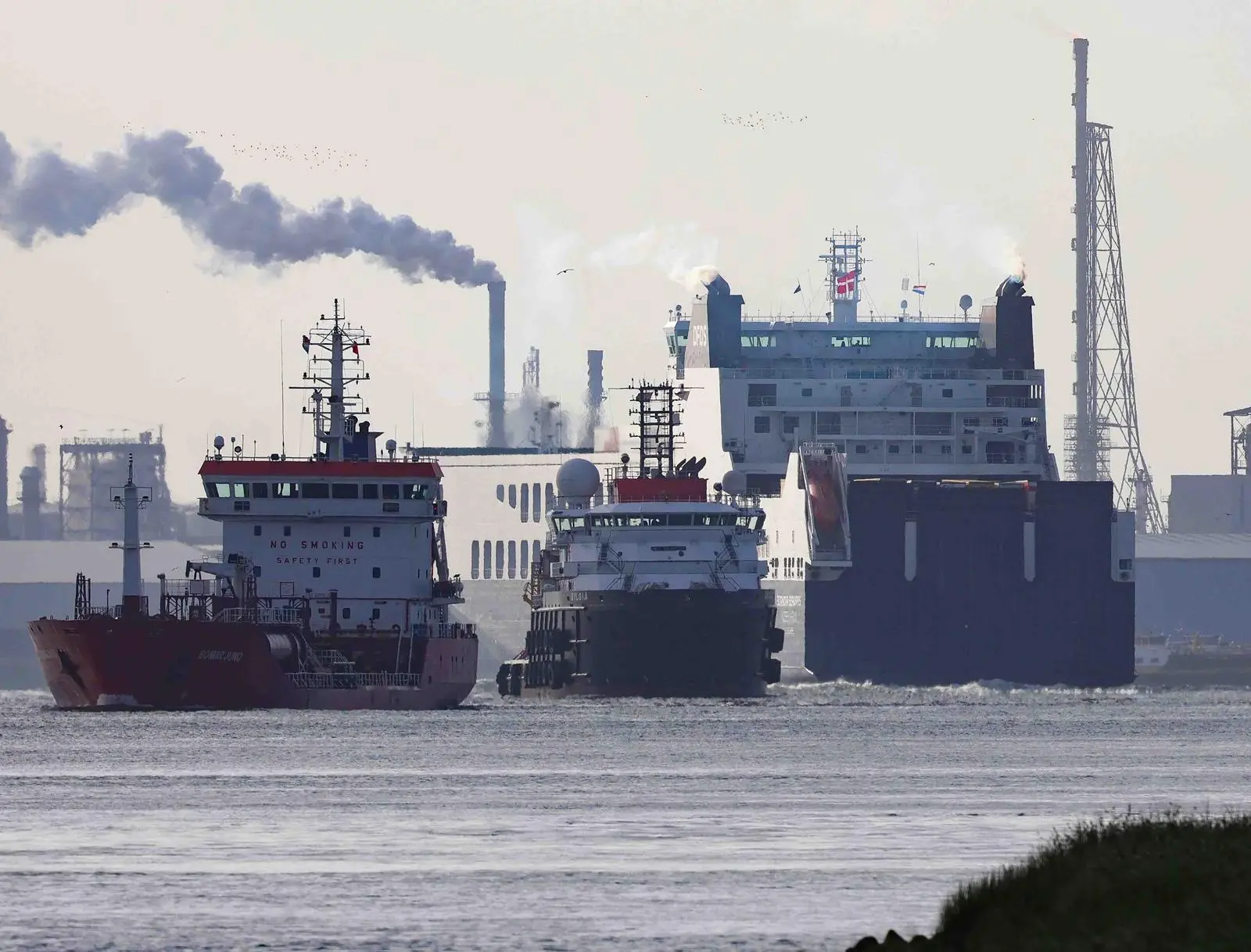
A key theme of the 2024 report is navigational safety. The Maritime and Coastguard Agency (MCA) joined MAIB in spotlighting bridge operations after a spate of collisions and groundings tied to poor watchkeeping.
Their message: technology only works if it’s used correctly. Systems like Bridge Navigational Watch Alarms, radar CPA settings and ECDIS are designed to assist – yet many incidents point to misuse or negligence: there is a risk of watchkeepers falling asleep, being distracted by devices or unfit for duty due to alcohol or fatigue.
The MCA singles out ‘complacency, fatigue, and over reliance on tech’ as persistent threats. It also warns of improper muting of alarms, insufficient lookouts and crews stretched too thin to maintain safe watches.
Case studies: When it goes wrong
Three major cases bring these failures into focus:
- A UK-flagged vessel collided with a Danish ship, killing two. The watchkeeper was distracted by a personal tablet and had consumed alcohol prior to duty. The master and company were convicted.
- A second UK-flagged ship grounded on rocks, injuring three passengers and causing life-altering injuries to a crew member. The root cause: failure to maintain a proper lookout.
- A UK fishing vessel struck a ship at anchor after the watchkeeper fell asleep. The skipper was convicted for failing to ensure proper manning.
Each case reinforces the message: rules exist for a reason, and ignoring them can be fatal.
The safety spotlight details legal requirements within STCW Conventions and Codes along with Collision Regulations and the MCA Marine Guidance Note MGN 137.
Fatigue and short-sea stress
Seafaring unions have long warned about fatigue, especially among small crews on short-sea routes. The report backs them up. Quick port turnarounds and minimal crew numbers often force “all hands on deck” for cargo and berthing tasks – leaving little time for rest.
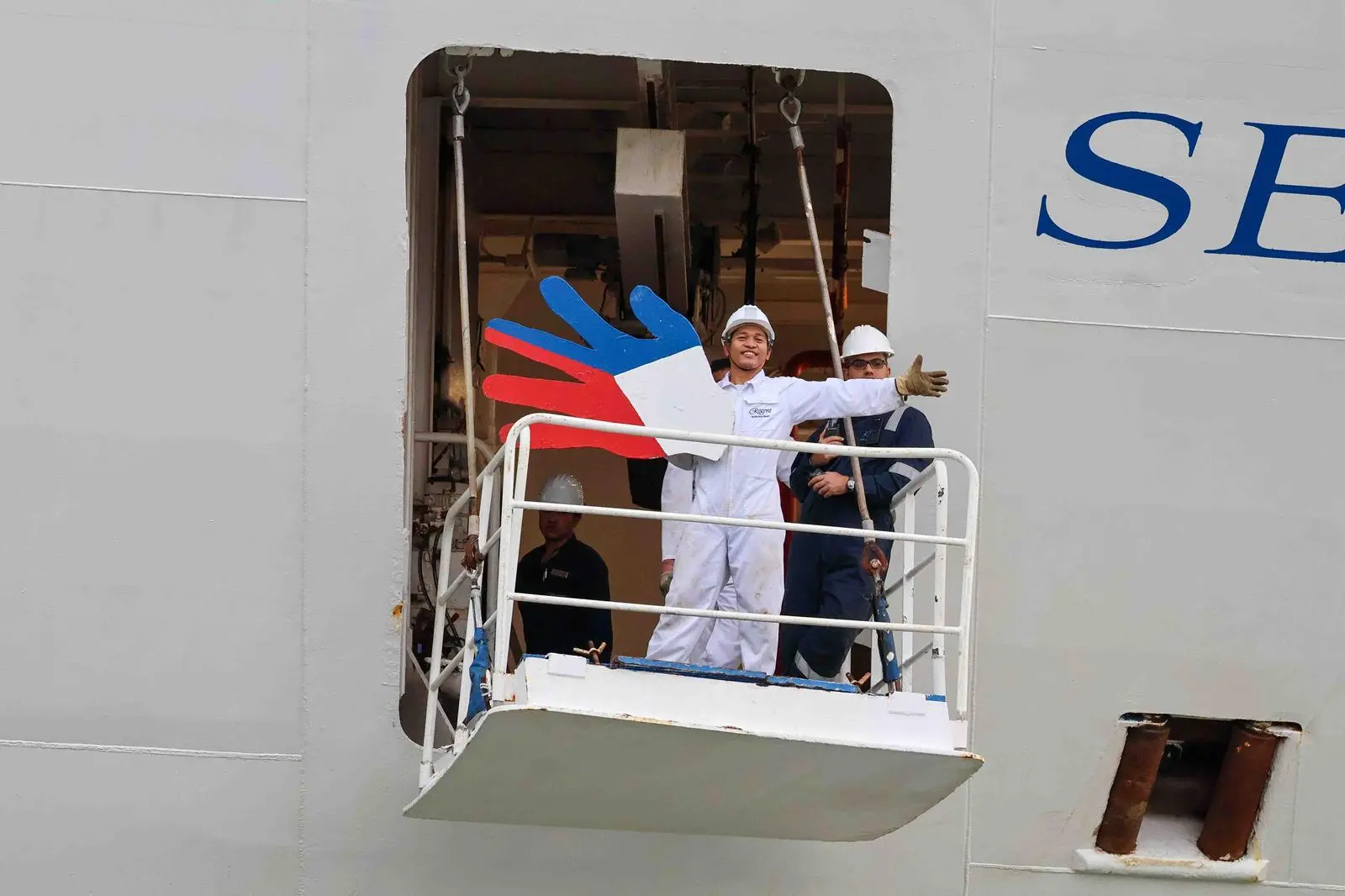
The MCA emphasizes that working hours rules aren’t optional, they’re essential to safety and well-being.
It also stresses that records must be kept accurately and that masters should get the support they need from owners and operators to enforce rest-hour compliance.
The report calls on shipowners and managers to review their Safety Management Systems, ensuring they provide clear guidance on watchkeeping, alarm use and rest requirements. It also underlines the legal and company obligations on alcohol, drug use and working hours.
Ultimately, the MAIB and MCA’s message is clear: safety starts with the people on the bridge. Equipment, policy, and training are all vital, but if crews are distracted, fatigued, or absent, the risk of disaster rockets.