





Shipwreck artefacts showcase Europe’s maritime history
16th-century artefacts have been discovered in the wreckage of a Dutch trading ship off the coast of Kent, UK.
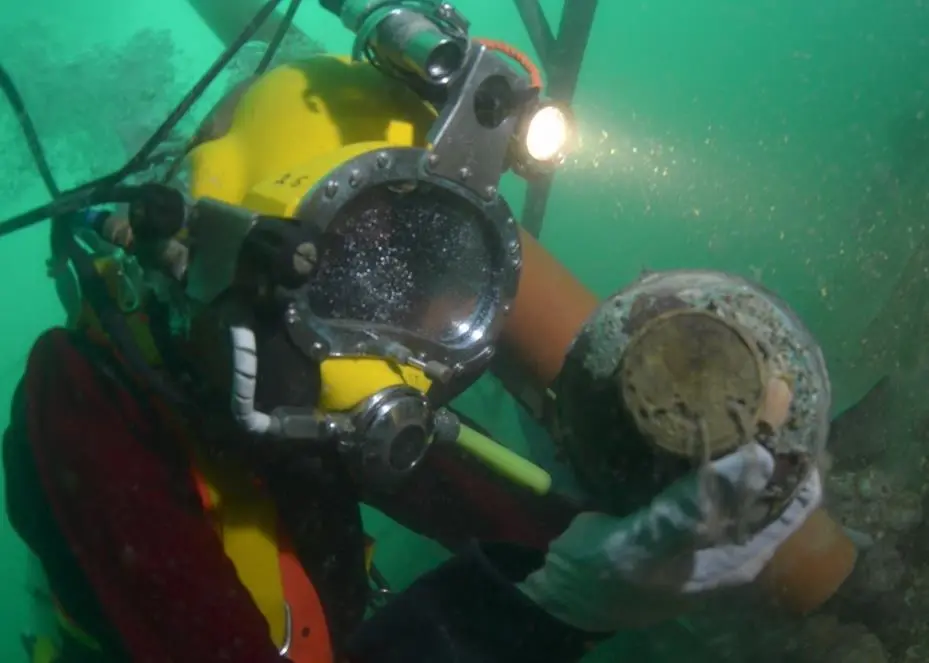
Finds including seaman’s chests, pewter jugs, ornately carved wooden knife handles and leather shoes have been recovered by Dutch and British maritime archaeologists excavating the sunken Rooswijk vessel.
John Glen, UK minister for arts, heritage and tourism, said: “The shipwrecks around our coastline are amazing snapshots of Europe’s seafaring and naval history and it is important that we study them while we can.”
Merchant vessel
The Rooswijk was a Dutch East India Company (VOC) vessel which sank on the treacherous Goodwin Sands, off Kent, in January 1740.
The ship was outward bound for Batavia (modern-day Jakarta) with a large cargo of silver ingots and coinage on board.
The ship’s remains are owned by the Dutch government, and managed by Historic England on behalf of the UK government’s department for digital, culture, media and sport.
Protected status
The #Rooswijk1740 project is led and financed by the Cultural Heritage Agency of the Netherlands, as part of the Dutch ministry of education, culture and science.
The excavation site is classed as ‘high risk’ due to its exposed remains and vulnerability to currents and shifting sands.
The vessel artefacts will be recorded onshore in Kent and from here finds will be taken to a Historic England storage facility where work to assess, analyse and conserve them will take place before they are returned to The Netherlands.
By Rebecca Jeffrey
Related Articles
 MERGERS & ACQUISITIONS
 OTHER NEWS
 ENVIRONMENT