




Ruby: Ticking time bomb or damp squib?
With the bulk carrier Ruby’s troubles now entering the next phase, Peter Barker reflects on how this otherwise typical voyage – albeit with a dangerous cargo and some problems along the way – grabbed the world’s attention.
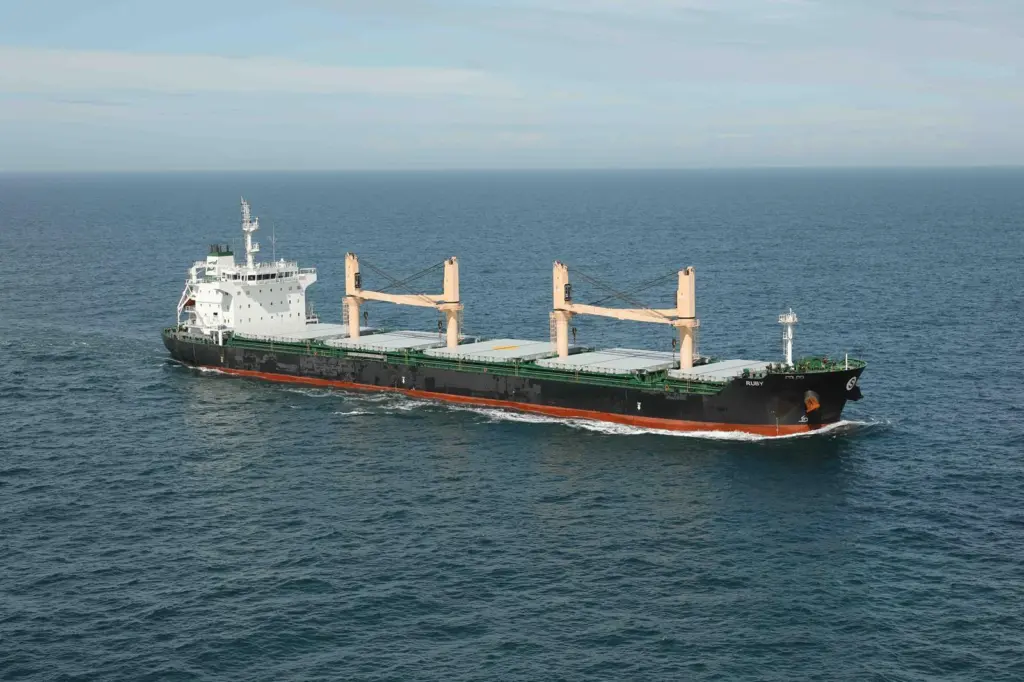
After loading 20,000 tonnes of ammonium nitrate in Russia, her voyage including transiting north-western European waters including the English Channel, Ruby sustained damage to her hull and propeller in an Arctic storm. While still able to proceed, she required dry-docking for repairs – and here is where the story gets complicated.
After assessing the damage in Tromsø, Norwegian authorities allowed Ruby to proceed with tug escort, but ports in the region imposed restrictions surrounding the requirement to unload the cargo before entering drydock. Ruby and tug escort eventually anchored around 15 miles off the UK’s north Kent coast, in relatively sheltered waters, while a solution was sought.
Social media
A social media frenzy followed. There were two fears: one that Russia was involved in a plot to destroy NATO bases or worse; the other that this could be a similar disaster to the devastating 2020 explosion in Beirut, which involving a similar substance and killed around 200 people.
The wreck of the WW2 Liberty Ship Richard Montgomery, loaded with explosives around 30 miles away from Ruby, wasn’t missed by the armchair experts either.
In reality, the Russian connection was considered unlikely and circumstances surrounding the Beirut explosion were far different from Ruby’s situation.
Regardless the social media frenzy continued, with speculation around the dire consequences of the cargo detonating not diminishing despite assurance from experts that it was improbable.
Most maritime media ignored the story other than reporting the facts, but some mainstream media chose to run with the doomsday scenario.
Another aspect is that with AIS information freely available to the public, the world knew exactly where Ruby was – unlike in the past, when problems went largely unnoticed once a ship disappeared over the horizon.
Industry experts have pointed out that unlike container cargoes, where no one really knows what is inside the boxes, this cargo was known, declared and properly stowed. The ship was owned by known entities, albeit with the usual network of interests, but flagged, classed and insured by reputable organisations. Yet still the frenzy continued.
The problem was to find a means to transship the cargo before moving to a shipyard for repair, and here it was a positive that being close to UK waters the MCA (Maritime & Coastguard Agency) and SOSREP (Secretary of State’s Representative for Maritime Salvage and Intervention) took an interest, although it’s important to mention that apart from the escorting tug, there has been no mention of a ’salvage’ situation.
SOSREP
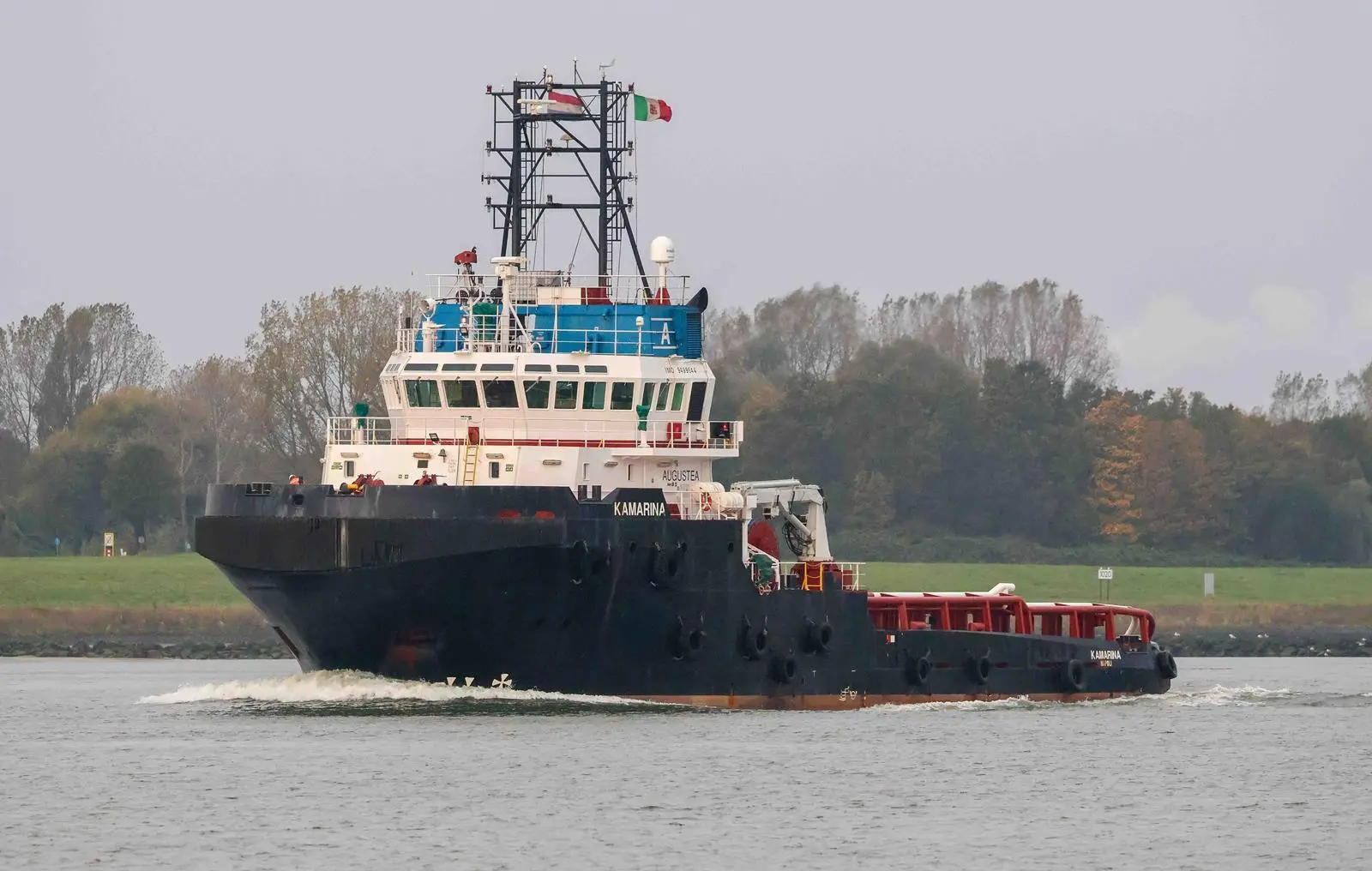
The UK’s SOSREP arrangement, aimed at avoiding ’salvage by committee’ and acclaimed widely as a pragmatic way to deal with such situations, was clearly working behind the scenes, helping to arrange the assistance Ruby required.
The issue of Ports of Refuge is another aspect of the saga that comes under the spotlight but for another day.
Ruby subsequently berthed in Great Yarmouth on the UK’s east coast, Peel Ports stating: “The Port of Great Yarmouth will safely welcome the MV Ruby in order to fulfil our obligations as Statutory Harbour Authority and assist the vessel with trans-shipment of its cargo.
“Aligned to the UK Government and The Department for Transport’s approval of the MV Ruby entering UK waters, Peel Ports Group will take the responsibility for accommodating the vessel in a suitable berth under the strictest of safety measures.
“We take our responsibilities as Statutory Harbour Authority incredibly seriously and work closely with the relevant regulatory bodies to maintain full compliance. Our role is to ensure that the MV Ruby is able to safely discharge and continue with its onward journey.”
At the time of writing Ruby’s next move is expected to be to a dry dock for repair.
The social media frenzy has faded, but the episode highlights the general lack of knowledge of how the shipping industry operates, usually working out of sight of the public – a ship gets into difficulties, the cargo (often classed as dangerous) is transshipped and it enters dry dock for repair. A non-story.
Related Articles
 AUTONOMOUS VESSELS & TECHNOLOGY
 OTHER NEWS
 OTHER NEWS