




Safety warning issued after fatal tug sinking
The Marine Accident Investigation Branch has released a safety warning video and bulletin about the fatal capsize and sinking of the tug Biter in 2023.
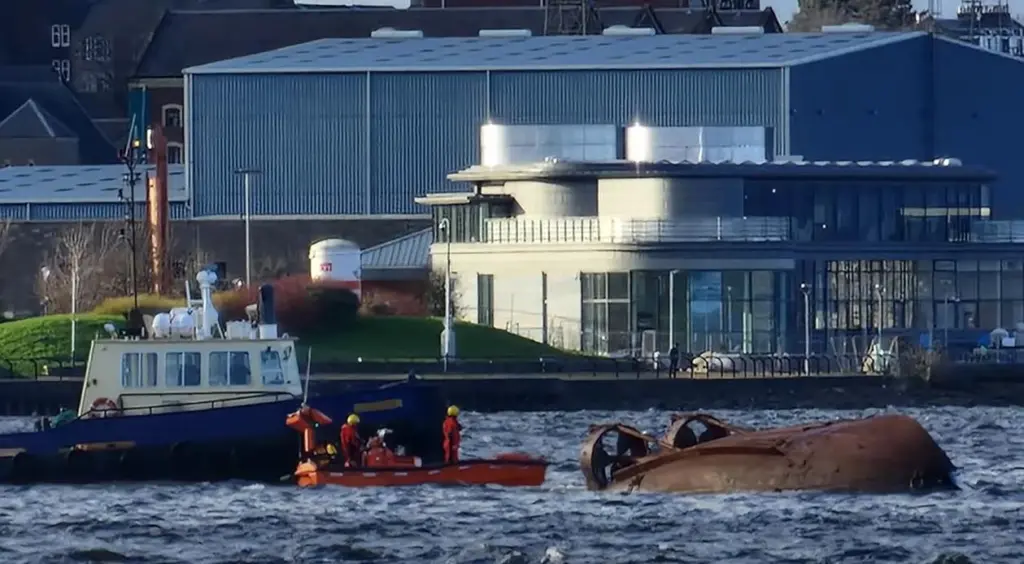
Biter, a twin-screw conventional tug, capsized while assisting the passenger vessel Hebridean Princess as it approached James Watt Dock.
The tug, attached to the stern of the larger vessel, was subjected to excessive force from the passenger ship’s speed, which reportedly overwhelmed the Biter’s safety equipment and led to the fatal incident.
The MAIB found that the tug was overwhelmed by towline forces after a manoeuvre went wrong, leaving its two crew with little chance of survival.
According to the report, Biter was operating at the stern of the passenger ship and attempting to reposition from alongside the vessel to a stern-to-stern position, a routine but potentially hazardous manoeuvre for conventional tugs. As the tug turned away, the towing lines tightened before the move was complete, pulling the smaller vessel sideways.
Investigators said the tug was ‘girted’ – when sideways towing forces exceed a tug’s stability and cause rapid heel and capsize. CCTV footage showed the tug turning, being dragged sideways and overturning within seconds.
A key finding was that the passenger vessel’s speed created far greater towline loads than recommended. The report estimated forces on the tug were between two and five times higher than those expected for safe operation. At that speed, the tug’s gob rope – designed to shift the towing point aft and reduce the risk of girting – failed to prevent the vessel being pulled broadside.
Communication gaps
The investigation also found communication gaps between the ship’s master, pilot and tug crews. While plans had been discussed, the intended manoeuvre and safe operating speed were not fully understood by all parties. Training and procedures for both pilots and tug operators were described as inconsistent, with limited guidance on how such manoeuvres should be carried out safely.
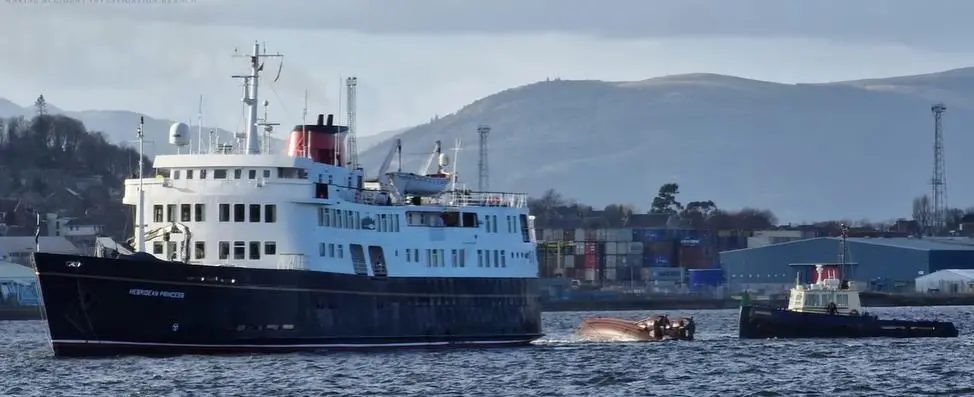
Once the tug capsized, survival chances were slim. The report suggested that open hatches may have reduced trapped air inside the vessel after inversion, further limiting escape opportunities. Despite an immediate response from nearby vessels and rescue services, no survivors were found.
The tug later sank and was declared a total loss.
Investigators said the aim of the report was prevention rather than blame. Recommendations include clearer rules on safe towing speeds, improved risk assessments, better training for tug masters and pilots and clearer guidance on securing gob ropes and conducting high-risk manoeuvres.
The MAIB also called for wider industry guidance to help ports and tug operators reduce the risk of similar accidents in future.
The full report is available here.
Related Articles
 AUTONOMOUS VESSELS & TECHNOLOGY
 OTHER NEWS
 OTHER NEWS