

SOS call for steam tug with a tragic past
Seventy years after the steam tug ST Cervia capsized with the loss of five lives, a group dedicated to preserving the vessel has appealed for donations to help with the restoration.
David Walton, chairman of the Steam Tug Cervia Preservation Trust, is spearheading the campaign as well as organising a memorial service fore those who died, one at the age of 17.
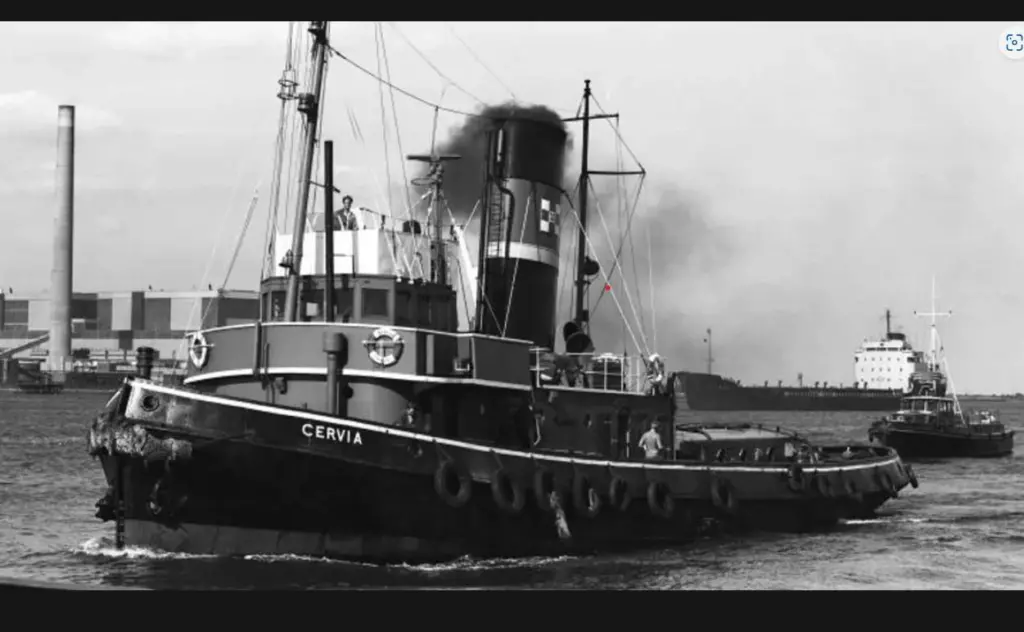
Cervia is one of the last steam tugs still afloat – and is so only after being successfully raised from the Thames riverbed after the tragic sinking in October 1954.
The accident happened when she was on a regular job undocking the P&O liner Arcadia at Tilbury Docks in London.
Unbeknown to the Cervia crew, Arcadia had gone full steam ahead to avoid colliding with another P&O liner, Orcades – while at the same time being under tow at the stern by Cervia.
The resulting wash from Arcadia dragged the steam tug over and she sank.
Five crew members – Captain William Russell; mate Leonard Strickland; second engineer Thomas Cormack; fireman Bertie Morgan; and cook Ernest Povey, just 17, lost their lives.
A further three crew members were pulled from the water by another steam tug, Challenge, which is also still afloat and has just been named one of four flagships of the year by the UK National Historic Ships organisation.
A memorial service will be held on October 26 for those who died at Tilbury. The actual sinking occurred at 11.30pm on October 25, 1954.
ST Cervia post WWII
Cervia was launched with the name Empire Raymond from the Alexander Hall yard in Aberdeen, Scotland on January 21, 1946.
She was at first given to the Ministry of War transport department, but soon withdrawn and employed with other tugs to help with the refurbishment of the Cunard liner Queen Elizabeth, which was being refurbished to convert her back into a passenger liner after being used as a troop ship in the Second World War.
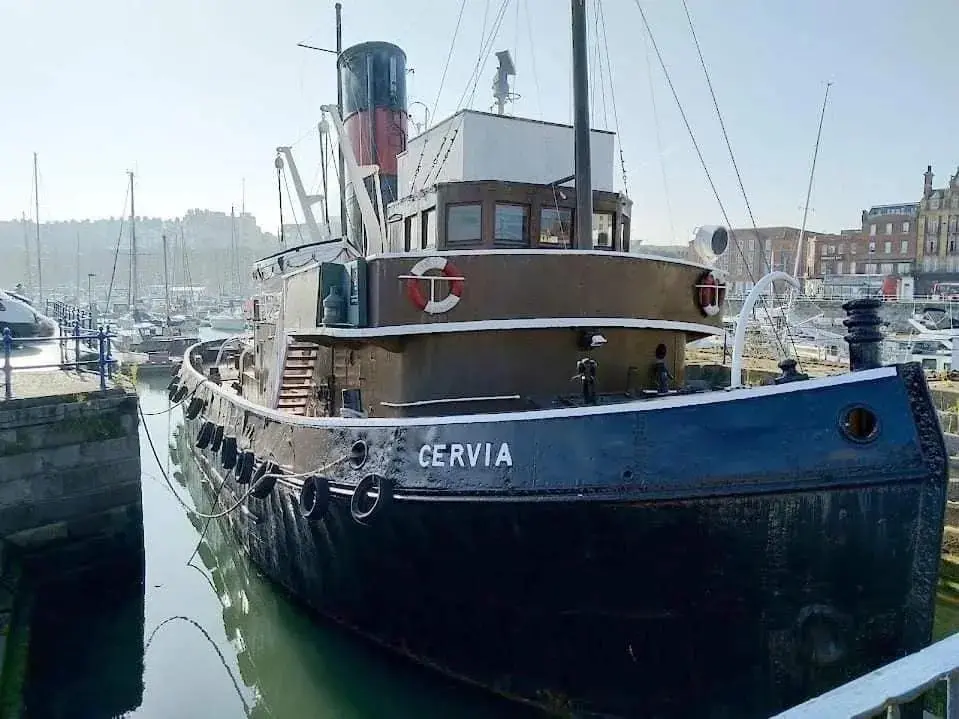
In December the same year, the maritime towing business William Watkins bought her for £36,000 (€42,000) with compensation it had received for vessels it had lost in the war, such as the tugs Napia and Muria, which had sunk after colliding with sea mines.
William Watkins renamed her Cervia after the Italian Adriatic resort where his family owned a holiday villa. The name had been used for an older tug owned by the business, which had taken part in the Dunkirk evacuations and returned 230 troops.
With her new name, Cervia predominantly worked as a salvage and towing tug between ports in the UK and mainland Europe.
While based in Ramsgate, she helped to free several vessels that had run aground on the Goodwin Sand Banks off the east coast of southern England.
Recent history
William Watkins merged with WHJ Alexander & Co in 1969 to form the London Tug Company, which started phasing out steam tugs in favour of the modern diesel vessels. It looked like time was up for Cervia, and she was sidelined at Sheerness and would have gone to the breakers if Michael List-Brain, the first person to circumnavigate the world on a steam wagon, had not bought her for £3,500 (€4,000) and promised to move and refit her, which he did at Poplar Docks in London.
She was at first intended for pleasure trips on the River Medway, but funds ran out and she was put back to work in the towing business just as North Sea gas and oil exploration and construction needed all kinds of vessels.
Cervia carried on working on various projects until her final contract in 1983, where she was used as a port tug for the cross-channel ferry service at Ramsgate. A poor economic climate saw the end of the service and the steam tug was mothballed.
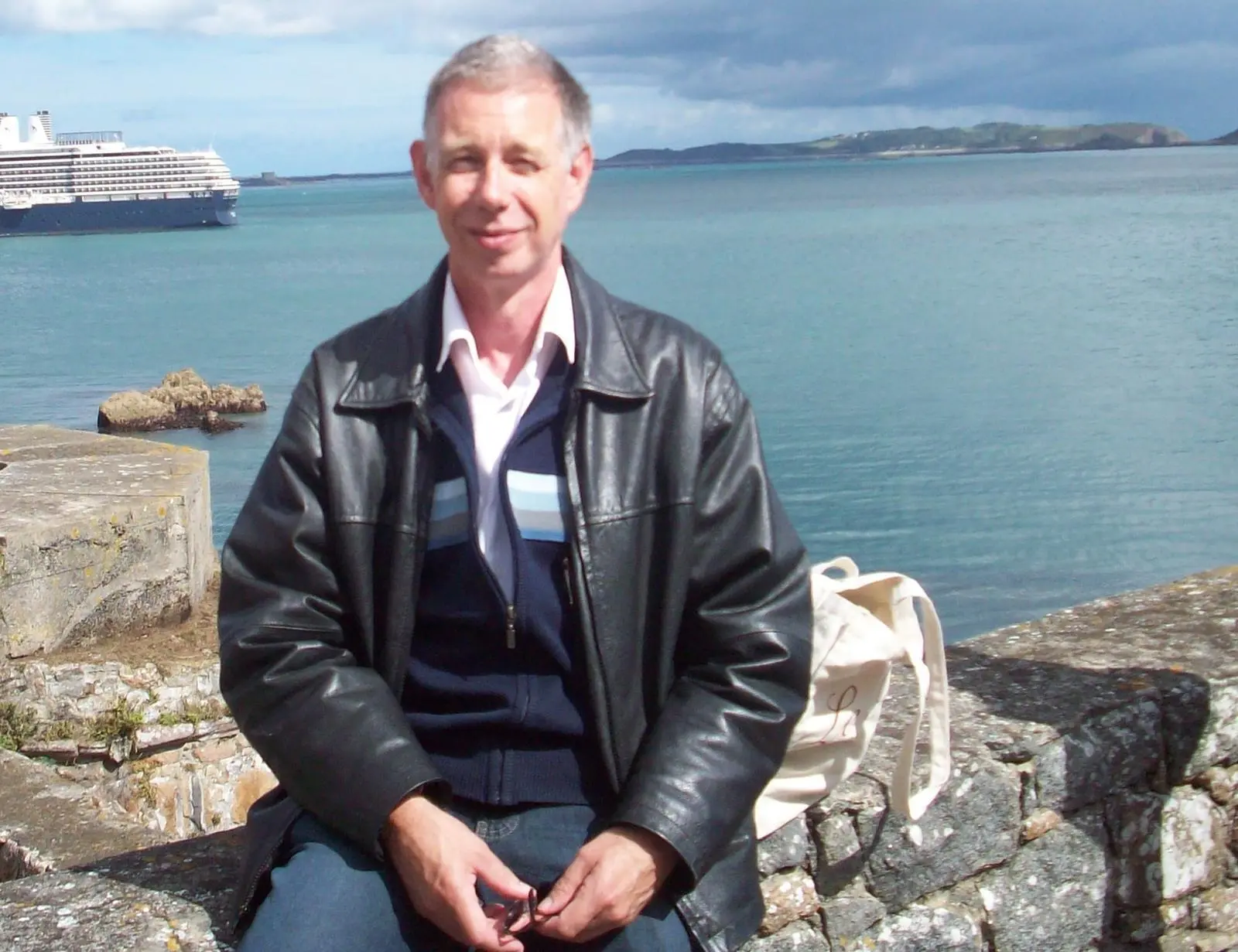
Cervia is still in Ramsgate and needs constant repair and restoration to stay afloat.
”Our fundraising appeal is obviously very important to us but also it is 70 years this year since she lost five of her crew in an accident on the Thames, and a memorial service and other events are planned for 26th October,” says David Walton.
Related Articles
 OTHER NEWS
 MARINE CIVILS
 AUTONOMOUS VESSELS & TECHNOLOGY