




WATCH: Hydrogen USV completes historic mission
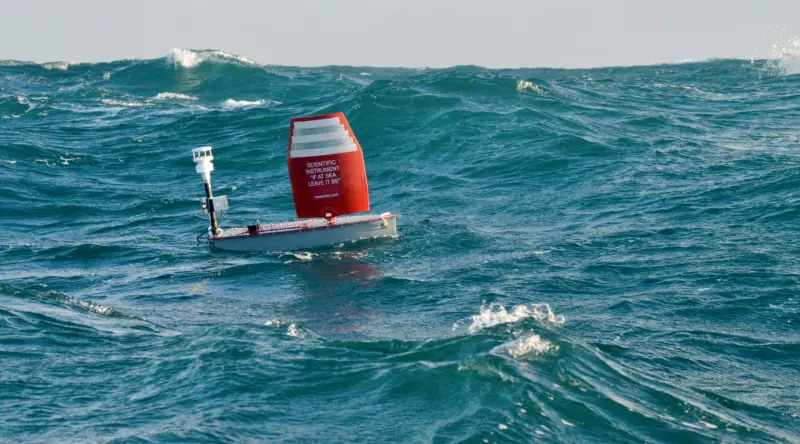
ACUA Ocean’s unmanned surface vessel has completed reportedly the world’s first continuous, remote 24-hour offshore operation powered entirely by hydrogen.
The trial, conducted under hydrogen-electric power, saw PIONEER depart from Turnchapel Wharf in Plymouth and sail to the Eddystone Lighthouse, 12 nautical miles offshore, where it performed autonomous operations for a full day.
Support was provided by Amy Jane, a vessel from Cattewater Harbour, while system stability and hydrogen performance were closely monitored.
“This sea trial is a breakthrough moment,” said Neil Tinmouth, chief executive of ACUA Ocean.
“Within just months of launch, PIONEER has achieved multiple world firsts, thanks to the tireless efforts of our engineering and marine teams and the support of partners like Cattewater Harbour Commissioners.
“These trials reinforce the commercial viability of hydrogen-powered remote operations and close out our Clean Maritime Demonstrator Competition project with great success.”
The UK Maritime and Coastguard Agency recently certified PIONEER under Workboat Code Edition 3 Annex 2, making it the world’s first remotely operated hydrogen vessel to achieve such accreditation.
Captain Richard Allan, chief executive and harbour master at Cattewater Harbour, praised the milestone. “The hard work and tenacity of the ACUA Ocean team is, just that, pioneering,” he said. “Their certification sets a new industry standard and shows what’s possible within Plymouth’s marine innovation ecosystem.”
The vessel will next appear at DSEI and London International Shipping Week, reinforcing the UK’s leadership in clean maritime technology.
Related Articles
 OTHER NEWS
 MARINE CIVILS
 AUTONOMOUS VESSELS & TECHNOLOGY