




Icebreakers called out in coldest Jan since 2010
A freeze across northern Europe that an EU climate watch body said was the coldest January since 2010 triggered major icebreaker deployments from the southern Baltic to the Gulf of Bothnia last winter.
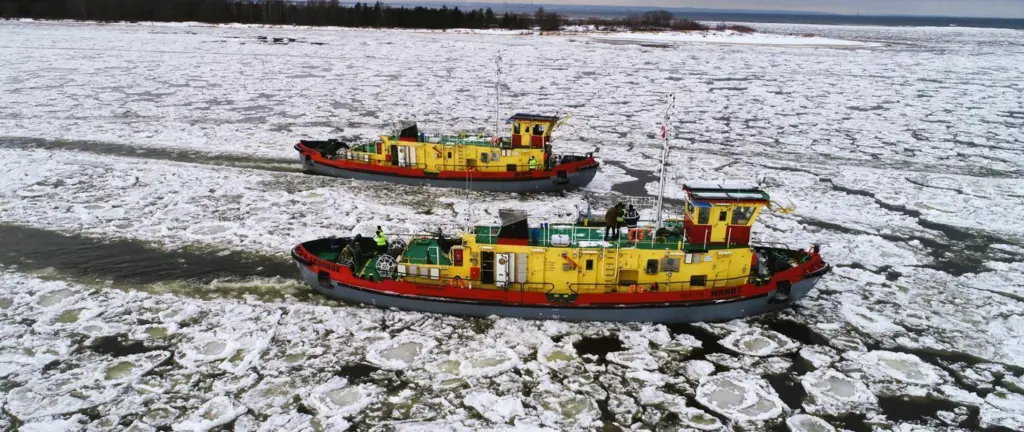
Poland and Sweden operated multi-vessel fleets and Denmark activated state ice services in internal waters, while Norway maintained a limited deployment in line with more typical seasonal conditions.
In Poland, icebreaking had to be suspended on the Oder and Vistula rivers at the end of January because conditions were too harsh, with 18 icebreakers – 12 Polish and six German – initially working for six days on Lake Dąbie and more than 70km of the Oder River.
They spent five days on the lower Vistula covering more than 20km, according to national water authority Wody Polskie. A 500-1,000 metre wide gutter was created on Lake Dąbie to allow the efficient flow of ice floe from the upper sections of the Oder River to the Szczecin Lagoon and further to the Baltic Sea before work was called off.
“Due to low temperatures and forecasted cooling, the icebreaking operation on the Oder and Vistula rivers was interrupted until the thaw arrived,” said the Wody Polskie. “This was necessary because icebreaking under conditions of prolonged, severe frost would pose a risk of refreezing of the broken ice chute, which would increase the risk of flooding.”
Work resumed on February 4, with the icebreakers Tygrys, Nerpa, Manat and Foka clearing the mouth of the Vistula River and aerial drones keeping tabs on the situation.
As well as active icebreaking, authorities imposed navigation restrictions and temporary closures on some river sections. The deployment underscores how continental cold spells still pose significant operational challenges for inland European waterways.
Denmark: State Ice Service activated in Smålandsfarvandet
In Denmark, ‘icebreaking preparedness’ was activated ‘for the first time in many years’, according to Maritime Denmark, which said tugboat Valdemar was deployed by Tambour Towage in the Småland Waters to keep cargo flowing between ports such as Zealand, Lolland, Falster and Møn.
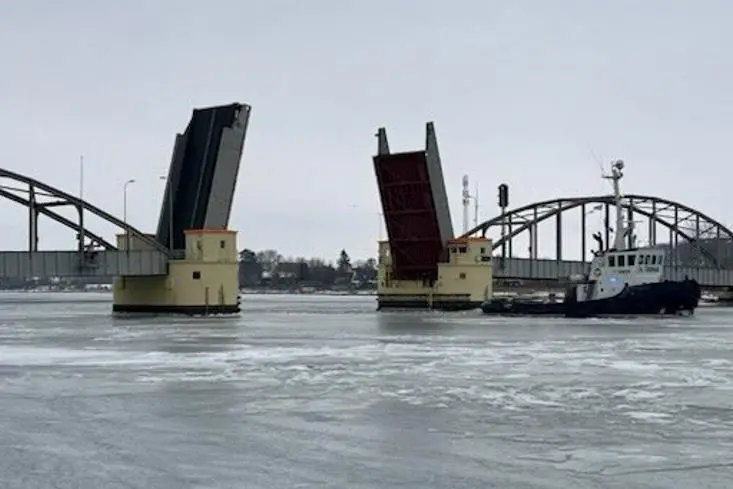
The state ice service Statens Istieneste was activated for the region, an area of narrow straits and sheltered channels particularly vulnerable to freezing temperatures, for the first time in recent years.
Instead of relying solely on purpose-built icebreakers, Denmark uses chartered or contracted commercial tug capacity, emphasising maintaining navigation for ferries and coastal cargo rather than managing large-scale consolidated sea ice.
Sweden: Full icebreaker fleet in operation
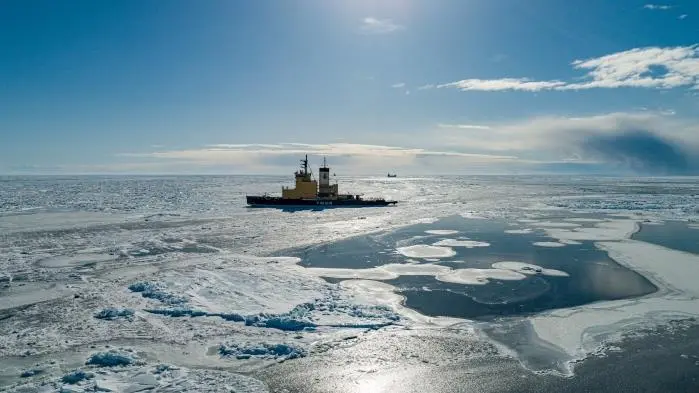
“The Swedish Maritime Administration is operating its icebreakers at full capacity as waterways around the country freeze over,” the Swedish Herald reported, saying that all six vessels were breaking ice to clear passages for merchant ships.
The most severe conditions were in the Bay of Bothnia, where fast ice thicknesses reached up to 70cm in northern archipelagos.
Frej broke ice in the northern Bothnian Bay, Atle in the southern Bothnian Bay, Idun in the Northern Quark, and Ale on Lake Vänern, said Amund E. B. Lindberg, Operations Manager for Icebreaker Management and Head of Business Area Winter Navigation at the Swedish Maritime Administration.
Norway: Normal for the time of year
In contrast, Norway did not report unusually widespread coastal icebreaker operations last winter. While fjords and sheltered waters can freeze during sustained cold, the open Norwegian Sea and much of the southern coast typically remained navigable.
Norway’s maritime ice monitoring is handled by the Coastal Administration, but large-scale commercial icebreaker deployments were not needed last season.
The country does maintain Arctic-capable vessels, for example NoCGV Svalbard, designed for operations in high-latitude waters such as around Svalbard and the Barents Sea.
Overall, the pattern in Europe reflected a classic northern European winter peak: heavy but largely seasonal ice in the Baltic, river management in central Europe, and more moderate coastal conditions along the North Atlantic seaboard.
Blaming a ‘meandering polar jet stream’ spilling icy air into Europe and North America, the EU’s ‘Eyes on Earth’ climate body said Europe had this year experienced its coldest January since 2010.
Related Articles
 AUTONOMOUS VESSELS & TECHNOLOGY
 OTHER NEWS
 OTHER NEWS