





Hawaiian coral researchers report rare good news
A study of three coral species in conditions simulated to replicate warmer and more acidic seas has shown that ultimately they thrived.
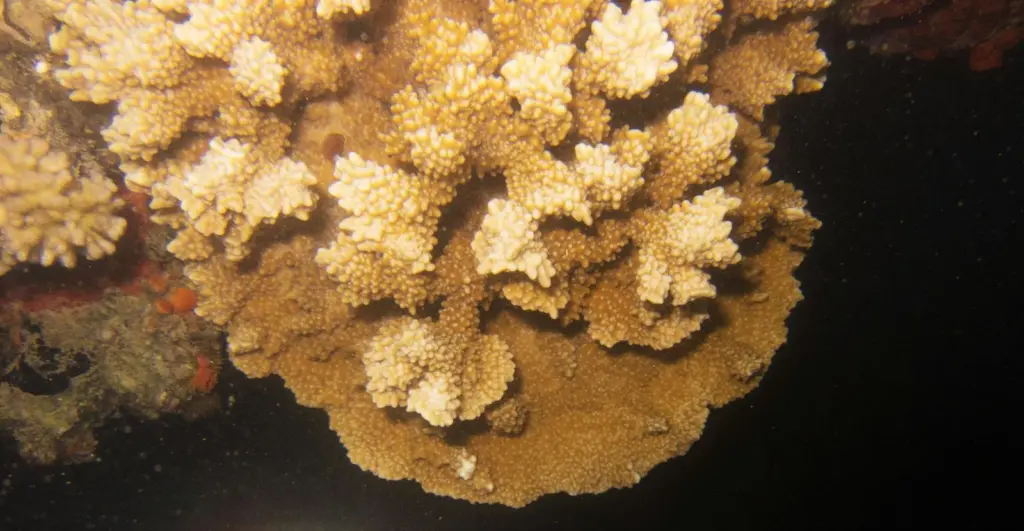
In a report published in Science Daily, researchers at Oregon State University said that while at first half of each species did succumb, none completely died off and by the end of the 22-month study they were actually thriving.
Samples were placed in tanks with four different conditions: current ocean; ocean acidification; ocean warming (+2oC); and a combination of warming and acidification.
It can only provide hope for the future of corals, said Rowan McLachlan, a doctoral student in earth sciences, who led the study .
“We found surprisingly positive outcomes in our study, “McLachlan was quoted as saying. “We don’t get a lot of that in the coral research field when it comes to the effects of warming oceans.”
Because the study was conducted over almost two years, compared with most similar research that only spans five months, the findings were optimistic, Ohio State professor of earth sciences Andréa Grottoli said.
“There are aspects of coral biology that take a long time to adjust,” she said. “There can be a dip when they are faced with stressors, but after enough time corals can recalibrate and return to a normal state.”
The three coral species collected were Montipora capitata, Porites compressa and Prostes Iobate.
Related Articles
 SUBSEA SERVICES
 ENVIRONMENT
 OCEAN SCIENCES