



Shippings dark mood after light dues rise
There was considerable consternation in the UK last month after the Government’ s new Shipping Minister, Paul Clark, announced the new rates for light dues for the next two years.
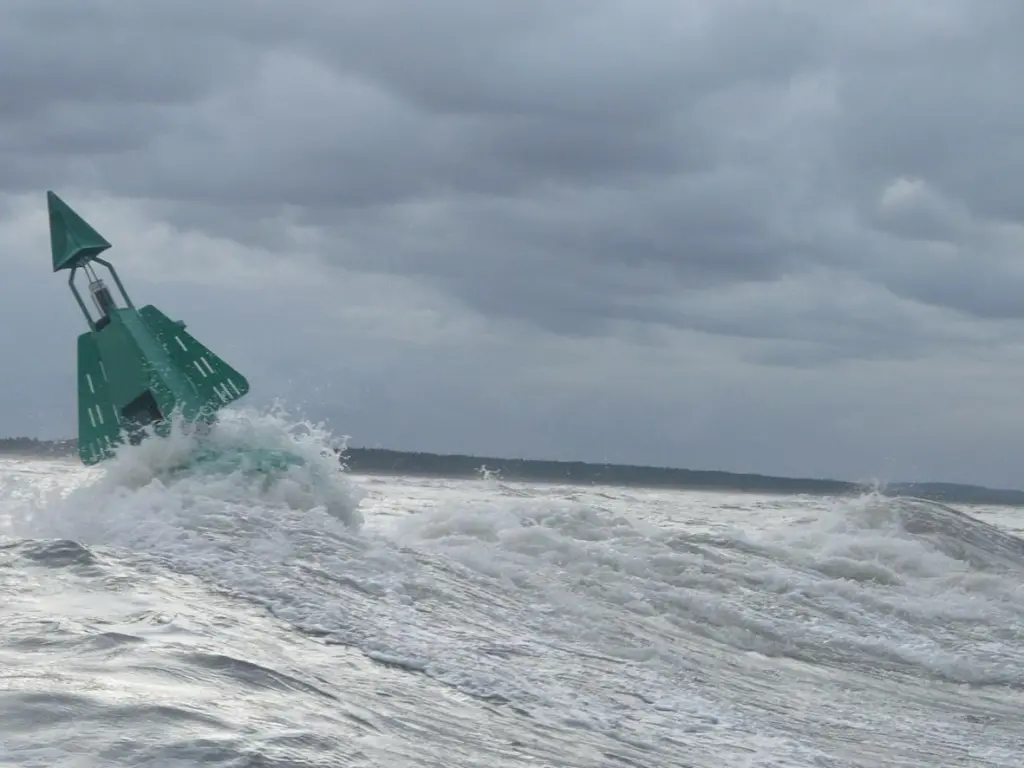
The light dues are contributions paid by the shipping industry for the provision and maintenance of aids to navigation. The Government said they will rise from 35p to 39p per net registered ton (nrt) from the first of this month, with a further increase to 43p on 1st April 2010. The maximum number of chargeable voyages each year will also rise from 7 to 9, with the upper tonnage threshold of 35,000 increasing to 40,000 nrt in 2010-11. Under the Merchant Shipping Act 1995, the three General Lighthouse Authorities (GLAs) in the British Isles (Trinity House, the Northern Lighthouse Board and the Commissioners of Irish Lights) manage the lights, buoys and beacons around the coasts of their respective areas. Their costs are met from the light dues levied.
The need for the rise stems from a shortfall of around £20m in the General Lighthouse Fund due in part to the current global recession and the weakness of the pound against the Euro. There has been widespread concern that duplications of cost in maintaining three GLAs is driving up light dues and could lead to shippers reducing the number of direct calls to British Isles main ports.
UK and Irish Ministers have reconsidered the funding arrangements for Irish Lights. On the basis of a recent study, it has been agreed to alter the formula for apportioning Irish costs on a North-South basis. The existing 30:70 apportionment is to be replacement by 15:85 with effect from the current year (2009-10). Discussions continue on other aspects of improving the joint financing arrangements.
Commenting on the new charges, Shipping Minister Paul Clark said, ‘These are the first light dues increases since 1993, and much lower than we proposed in the consultation. This decision strikes the right balance between ensuring funding is sufficient while giving some financial respite to shipping. Even after the second increase, the 43p rate will be no higher than 16 years ago, in real terms a drop of 32%’.
His view did not placate critics, including Lights Advisory Council chairman Michael Everard, who said, ‘We gave clear advice to the government that rises were unaffordable at this time and that the funding shortfall should be addressed instead by ending the Irish subsidy and subjecting the GLAs to the same financial discipline
as commercial shipowners.’
Trinity House welcomed the Government’s announcement and said it had already closed half of its depots, reduced staff by a third and reduced its fleet by 25%. This recent rationalisation left it with little room for further savings and it could not jeopardise the high standards necessary to support safety at sea.
Related Articles
 MARINE CONSTRUCTION
 POWER & PROPULSION
 ENVIRONMENT